KEPCO to Raise Q4 Electricity Rates by 3 KRW per kWh Compared to Q3... Monthly Average Increase of 1,050 KRW for a Family of Four
Disaster Relief Funds Distributed Nationwide Simultaneously, Cashback Program to Boost Consumption Also Launched
[Sejong=Asia Economy Reporter Kim Hyunjung] With the government's disaster relief payments and large-scale consumption stimulus measures followed by an electricity rate hike, there is an emergency in managing inflation in the fourth quarter of this year. As COVID-19 vaccinations progress, social distancing measures are expected to be eased soon, and combined with the liquidity being injected into the market, the inflationary trend is expected to accelerate further.
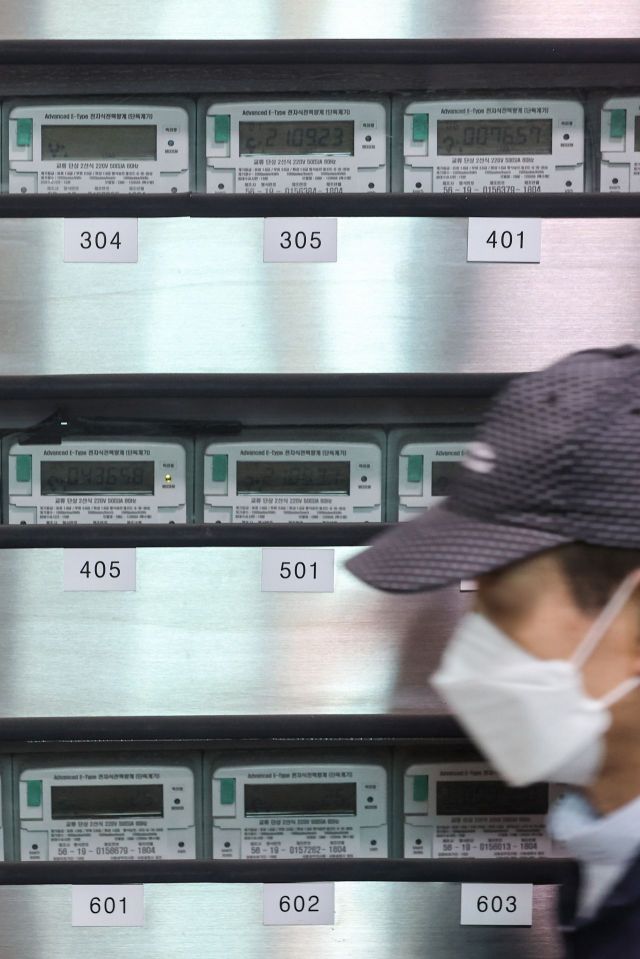
According to the government and Korea Electric Power Corporation (KEPCO) on the 23rd, the electricity rates for the fourth quarter, effective from next month, will increase by 3 KRW per kWh compared to the third quarter. For a family of four using an average of 350 kWh per month, the electricity bill is expected to rise by 1,050 KRW.
This electricity rate hike is expected to further push up the perceived inflation toward the end of the year. Utility bills such as electricity, water, and gas have been considered items that suppressed inflation as they were frozen for a long time. Among the items surveyed monthly by Statistics Korea to monitor inflation trends, public utility-related products have been the only ones with an index below 100. In the consumer price trend report released in early August, the electricity, water, and gas product index was 79.90 (base year 2015=100), the lowest among all goods and services. In contrast, the agricultural, livestock, fishery product index (130.69) and industrial product index (105.04) rose by 7.8% and 3.2% year-on-year, driving inflation.
City gas rates are also likely to increase. Although international natural gas prices have surged this year, domestic city gas rates have been frozen for 15 months since an average 13.1% reduction in July last year.
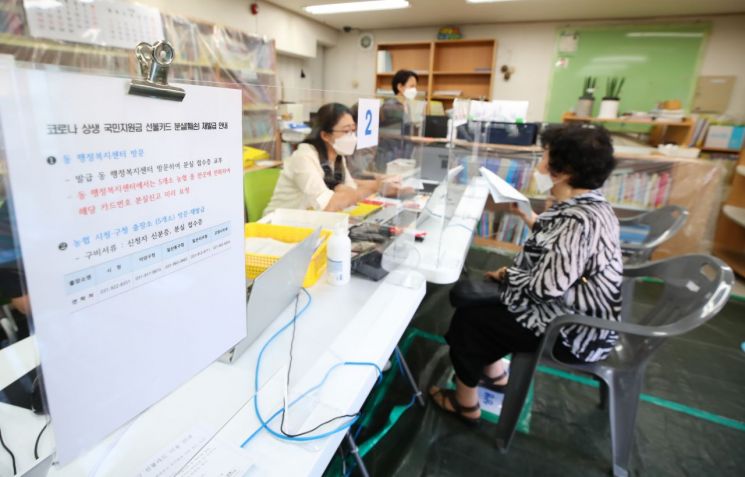
Liquidity being injected nationwide in a short period is also cited as a factor driving inflation. In particular, the number of recipients for the COVID-19 disaster relief funds, initially planned for 88% of the entire population, is expected to increase due to appeals, and local governments are following Gyeonggi-do’s lead in providing '100% payment.' Gyeonggi-do plans to distribute 250,000 KRW per person in disaster basic income to about 2.54 million residents starting next month, and Chungcheongnam-do has decided that 14 out of its 15 cities and counties, excluding Cheonan, will provide support funds to the top 12% income residents. Gangwon-do’s Samcheok, Jeongseon, Cheorwon, Hwacheon, Yanggu, Inje, as well as Jeollabuk-do Jeongeup and Jeollanam-do Hampyeong and Gwangyang, have also announced separate support fund plans.
In the fourth quarter, the government’s mutual consumption support fund (card cashback) program to stimulate consumption will also be implemented. This program offers 10% cashback in card points, which can be used like cash, on the increase amount if the average monthly card usage in October and November exceeds that of April to June by more than 3%.
© The Asia Business Daily(www.asiae.co.kr). All rights reserved.


















