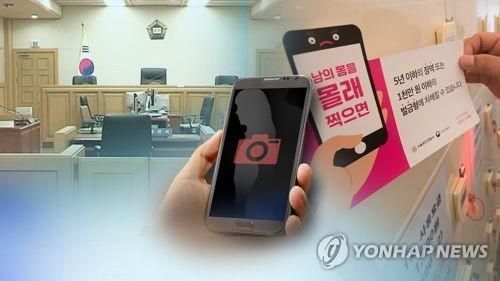
[Asia Economy Reporter Hwang Sumi] An additional 19 women have been confirmed as victims of sexual harassment by a male nursing assistant in his 20s during sedated endoscopy procedures.
According to an SBS report on the 19th, the number of women who suffered harassment and illegal filming by A (24), a male nursing assistant at a hospital in Seocho-gu, Seoul, has increased from 12 to 31.
Although it was difficult to identify victims based solely on photos of body parts, the prosecution added 19 unnamed victims to the charges.
A was arrested on charges of quasi-rape for repeatedly harassing and illegally filming women who were asleep during sedated endoscopy examinations over six months starting from October last year, and was sent to the prosecution last month.
At that time, 37 photos of the victims' bodies were found on A’s mobile phone, according to investigations.
In April, one victim who woke up from sedation became aware of the crime and reported A to the police.
During the police investigation, A reportedly admitted to the crimes, stating that they were committed out of sexual curiosity.
Patients who underwent sedated endoscopy at this hospital have been suffering from severe anxiety since learning about the incident. One patient told SBS, "The sudden fear and terror came because I thought it could have happened to me."
Meanwhile, nursing assistants with a history of sexual offenses can still be employed at medical institutions under the Medical Service Act. This is because they are classified as 'healthcare workers' rather than 'medical personnel.'
According to Article 2 of the Medical Service Act, 'medical personnel' refers only to doctors, dentists, oriental medicine doctors, midwives, and nurses licensed by the Minister of Health and Welfare. Under Article 56 of the Act on the Protection of Children and Juveniles Against Sexual Offenses, 'medical personnel' with a history of sexual crimes are prohibited from working in medical institutions such as clinics and hospitals for 10 years after their sentence ends.
As a result, there are growing calls to establish separate regulations for nursing assistants, who have frequent contact with patients.
© The Asia Business Daily(www.asiae.co.kr). All rights reserved.

















