536 Units Registered Out of 1,000 Targeted for This Year, Only Budget for 464 Units Remaining
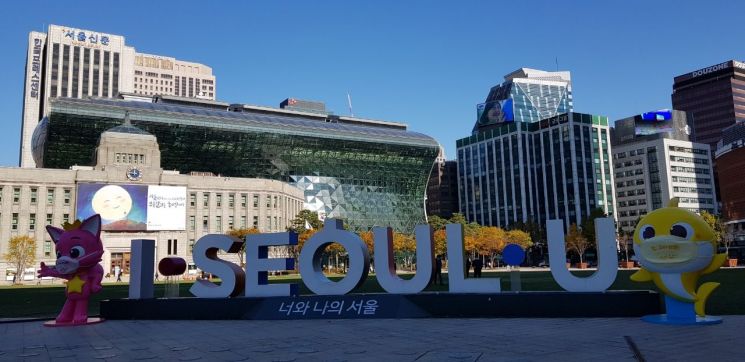
[Asia Economy Reporter Lim Cheol-young] Seoul City, which is conducting a project to provide subsidies for purchasing new 1-ton liquefied petroleum gas (LPG) cargo trucks, announced on the 22nd that it has completed 536 applications out of the annual supply target of 1,000 units.
Since 2019, Seoul City has been promoting a subsidy program for purchasing new 1-ton LPG cargo trucks as replacements, distributing a total of 545 units over two years. According to the National Institute of Environmental Research's outdoor road test, replacing one old small diesel vehicle early and purchasing a new LPG cargo truck reduces fine dust (PM10) by 2 to 4 kg annually.
The 1,000 units planned for this year represent a significant increase to 200% compared to last year's 495 units, anticipating increased demand due to the diesel small cargo trucks frequently used in residential areas being restricted from use starting April 3, 2023. LPG cargo trucks, which have a large effect on improving fine dust, are being supplied in expanded quantities.
Seoul City is investing 4 billion KRW in this year's project budget, providing a fixed subsidy of 4 million KRW per new purchase. Including a 200,000 KRW discount from car manufacturers, purchasing an LPG cargo truck can reduce costs by up to 4.2 million KRW. Eligible applicants are vehicle owners who have scrapped diesel vehicles registered in Seoul (excluding export cancellations) and purchase a new 1-ton LPG cargo truck.
In addition to the new purchase subsidy, Seoul City provides an early scrapping subsidy of up to 6 million KRW if the old diesel vehicle qualifies for early scrapping. For scrapping a grade 5 diesel vehicle early, up to 3 million KRW is supported. Basic livelihood security recipients, small business owners, and vehicles without developed or installable DPF devices can receive up to 6 million KRW in early scrapping subsidies.
Considering the characteristics of a large city where small cargo trucks operate for long hours in residential areas such as schools and neighborhoods, Seoul City judged the risk of fine dust exposure to be high. To suppress the purchase of diesel cargo trucks and encourage LPG vehicle purchases, the subsidy application requirements have been greatly relaxed, and applications will be accepted until the end of November. Subsidies are provided even if at least one of scrapping cancellation, new vehicle contract, or purchase registration was conducted after December 1 of the previous year.
Meanwhile, according to government guidelines, starting next year, the subsidy for purchasing new 1-ton LPG cargo trucks is expected to decrease by 25% from this year's 4 million KRW per unit to 3 million KRW. With the ban on new diesel vehicle registrations from April 2023, demand for LPG cargo trucks is expected to increase from this year.
Lee Sa-hyung, Director of Vehicle Pollution Reduction Division at Seoul City, said, "Most cargo trucks are diesel vehicles and are identified as major sources of fine dust emissions, especially small cargo trucks under 1 ton, which account for 70% of all cargo trucks." He added, "This year, by converting old small diesel cargo trucks to LPG cargo trucks, we can maximize the improvement and reduction effects on Seoul's air quality. We ask citizens to take a keen interest and actively participate."
© The Asia Business Daily(www.asiae.co.kr). All rights reserved.
![Clutching a Stolen Dior Bag, Saying "I Hate Being Poor but Real"... The Grotesque Con of a "Human Knockoff" [Slate]](https://cwcontent.asiae.co.kr/asiaresize/183/2026021902243444107_1771435474.jpg)
















