Risk of Cardiovascular Disease Reduced by 13%
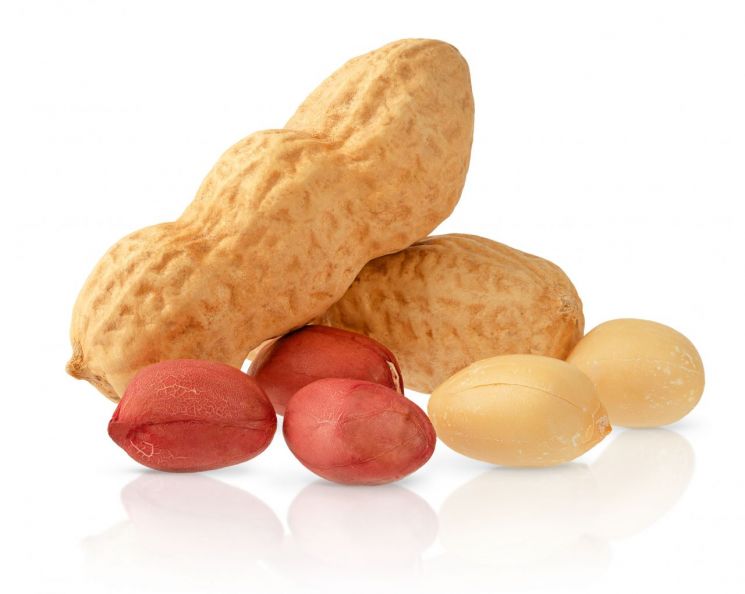
[Asia Economy Senior Reporter Jinsoo Lee] A study has found that people who eat a lot of peanuts have a lower risk of stroke compared to those who do not eat peanuts.
The research team of the "Multipurpose Cohort Study," which includes the National Cancer Center of Japan, reported in the journal Stroke published by the American Heart Association (AHA) on the 9th (local time) that those who consumed an average of 4.3g of peanuts per day had a lower likelihood of developing cardiovascular diseases compared to those who did not consume peanuts at all.
Previous studies conducted on Americans have shown that peanuts are beneficial for cardiovascular health. However, this study on Japanese individuals specifically examined the association between peanut consumption and the incidence of different types of stroke (ischemic stroke, hemorrhagic stroke), as well as the relationship between peanut intake and cardiovascular diseases (stroke, ischemic heart disease).
Satoyo Ikehara (池原賢代), Associate Professor of Public Health at Osaka University Graduate School of Medicine and lead researcher of the study, described the findings as "the first study to investigate the association between peanut consumption and ischemic stroke among Asians."
Peanuts contain large amounts of heart-healthy components such as monounsaturated fatty acids, polyunsaturated fatty acids, minerals, vitamins, and dietary fiber. These help reduce high blood pressure, unhealthy LDL cholesterol levels, and chronic inflammation.
The research team began tracking and investigating the lifestyles of approximately 75,000 residents aged 45 to 74 living in the jurisdictions of nine public health centers in Iwate, Akita, Nagano, Okinawa, Ibaraki, Niigata, Kochi, and Nagasaki between 1995 and 1998?1999, continuing until 2012. This included how frequently they consumed peanuts.
During the follow-up period, 3,599 people experienced strokes (2,223 ischemic strokes and 1,376 hemorrhagic strokes). Additionally, 849 people developed ischemic heart disease.
The researchers divided the participants into four groups based on their peanut consumption. They then compared the results of those who consumed an average of 4.3g per day with those who did not consume peanuts at all. Those who ate an average of 4.3g daily had a 20% lower risk of ischemic stroke, a 16% lower risk of stroke overall, and a 13% lower risk of cardiovascular disease compared to those who did not consume peanuts.
However, no association was found between peanut consumption and hemorrhagic stroke or ischemic heart disease. The effect of reduced risk of stroke and cardiovascular disease from eating peanuts was consistent in both men and women.
Associate Professor Ikehara stated, "Even a small amount of peanut consumption was found to be beneficial in preventing stroke, especially ischemic stroke." She added, "Although it is still rare for Asians to habitually consume nuts like peanuts, developing even a small habit of eating them could help prevent cardiovascular diseases."
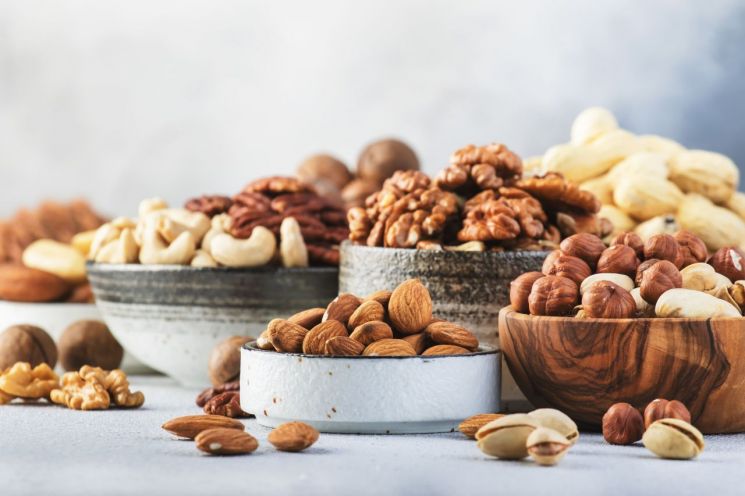
The AHA recommends consuming about 70g of unsalted nuts per week.
© The Asia Business Daily(www.asiae.co.kr). All rights reserved.


















