[Seoul District News] Seodaemun-gu Lifts Residents' Health Checkup Report Issuance Fees... Eunpyeong-gu Launches 'Eunpyeong Cultural Tourism Belt'... Ryoo Kyung-gi, Jungnang-gu Mayor, Serves as Daily Staff at Jungnang-gu Mangu Reservoir Park Drive-Thru Testing Site
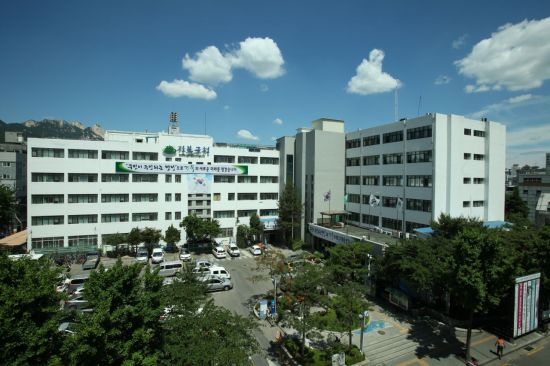
[Asia Economy Reporter Park Jong-il] Gangbuk-gu (District Mayor Park Kyum-soo) has finalized the 3rd supplementary budget totaling 844.8 billion KRW to overcome difficulties caused by the prolonged COVID-19 pandemic and revitalize the stagnant local economy.
The district included budgets for urgent projects directly related to residents' lives, ensuring the stability of citizens' livelihoods and efficient district administration. Projects that were changed or canceled due to COVID-19 were adjusted, and the district's share of subsidies from national and city funds was also reflected.
This supplementary budget totals 25.38 billion KRW increase, making the total 844.87 billion KRW combining both general and special accounts. The general account increased by 23.32 billion KRW to 828.23 billion KRW, and the special account increased by 2.05 billion KRW to 16.64 billion KRW.
Major increases include ▲ 8.25 billion KRW for COVID-19 coexistence national support funds ▲ 1.2 billion KRW for sewage facility repairs and dredging ▲ 1.1 billion KRW for the 8th nationwide simultaneous local elections ▲ 960 million KRW for living support expenses ▲ 860 million KRW for the creation of the Azalea Urban Agriculture Experience Center, totaling 62 projects.
Conversely, reductions were made in 60 projects including ▲ 1.28 billion KRW for the entrusted operation of Gangbuk Cultural and Arts Center and sports facilities ▲ 350 million KRW for support of the Urban Management Corporation operation ▲ 250 million KRW for employee job competency improvement ▲ 200 million KRW for activation of autonomous community centers ▲ 200 million KRW for support of English Experience Center operating costs ▲ 220 million KRW for retired teachers' after-school class support.
Park Kyum-soo, Mayor of Gangbuk-gu, said, “This supplementary budget focuses on overcoming the crisis caused by the resurgence of infectious diseases such as the COVID-19 coexistence national support fund, ensuring residents' safety and resolving inconveniences. We will expedite budget execution to protect citizens' safety and help the local economy recover.”
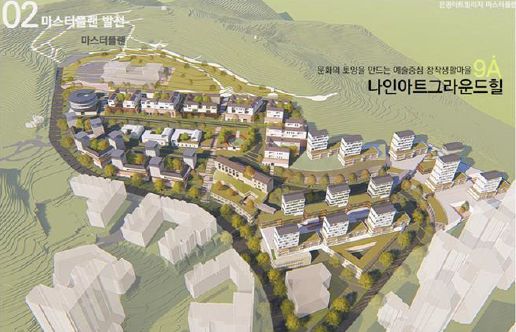
Eunpyeong-gu (District Mayor Kim Mi-kyung) announced on the 10th that following the modified approval of the Eunpyeong Redevelopment Promotion District Plan (draft) by the Seoul City Urban Redevelopment Committee on the 8th, it will begin full-scale development of the ‘Eunpyeong Cultural Tourism Belt.’
The district plans to develop the ‘National Korean Literature Museum,’ an ‘Art Village,’ and a ‘Newlywed Hope Town’ for newlywed couples on the reporter village site in Eunpyeong New Town, which is one axis of the ‘Eunpyeong Cultural Tourism Belt’ aiming to create a city where culture and arts harmonize.
The ‘National Korean Literature Museum’ project was finalized on November 8, 2018, reflecting the aspirations of 280,000 Eunpyeong residents, and is being promoted on the reporter village site within Eunpyeong New Town. An ‘Art Village’ is planned beneath the site, targeting completion in the first half of 2024.
The Jinkwan-dong area, where the ‘National Korean Literature Museum’ and ‘Art Village’ will be established, is concentrated with cultural facilities including the millennium-old Jinkwan Temple, the Korea Classical Translation Institute, Sabina Art Museum, Eunpyeong Hanok Village, Eunpyeong History Hanok Museum, Setisero Literature Museum, Samcheon Temple, Samgaksan Geumam Art Museum, and Korean cultural experience facilities. Once the Shinbundang Line is extended, improved transportation is expected to increase visitors and revitalize the local economy as a cultural tourism destination.
The district plans to focus on nurturing the Eunpyeong Cultural Tourism Belt by linking the Bulgwangcheon Broadcasting Culture Street, Susaek Jeungsan Development Zone, Innovation Park, and Jinkwan-dong Korean Cultural Experience Special Zone.
Kim Mi-kyung, Mayor of Eunpyeong-gu, said, “We will faithfully carry out the construction of the National Korean Literature Museum, which embodies the wishes of Eunpyeong residents, and the creation of the Art Village for regional cultural and artistic development. Culture will be the future growth engine of Eunpyeong. As the first step, we will create the Eunpyeong Cultural Tourism Belt to make Eunpyeong a cultural city where diverse cultural content and the local economy thrive.”
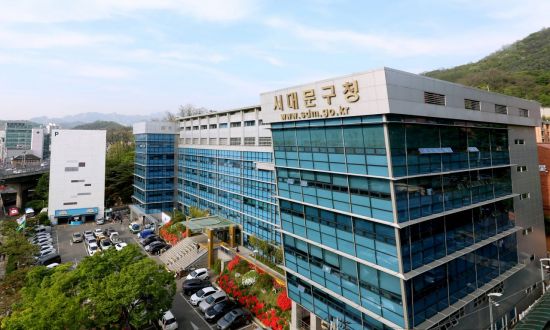
Seodaemun-gu (District Mayor Moon Seok-jin) will support the issuance fees for health examination certificates (formerly health cards) starting from the 15th to ease the burden on small business owners and workers in food and public hygiene-related industries.
Food and hygiene workers must regularly obtain health examination certificates within the validity period set by the Food Sanitation Act for each industry.
The district had suspended the issuance of health examination certificates and related testing and diagnosis at public health centers since March last year to prevent the spread of COVID-19 and focus on quarantine tasks.
As a result, obtaining health examination certificates from private hospitals and clinics cost significantly more (12,000 to 35,000 KRW) compared to the previous public health center fee of 3,000 KRW.
To alleviate this burden, the district will support up to 17,000 KRW per person, excluding the existing 3,000 KRW public health center fee. For example, if the cost is 20,000 KRW, 17,000 KRW will be supported; if 15,000 KRW, then 12,000 KRW will be supported.
The support period lasts until the public health center’s issuance service returns to normal, and support is available to business owners or workers in local workplaces regardless of residency.
Applicants can apply after the 15th by visiting the first-floor civil service office of Seodaemun-gu Public Health Center or by email, submitting the application form and required documents (certificate, bankbook copy, receipt for examination fee, application form, etc.).
The application form and detailed information are available on the Seodaemun-gu Public Health Center website under notices.
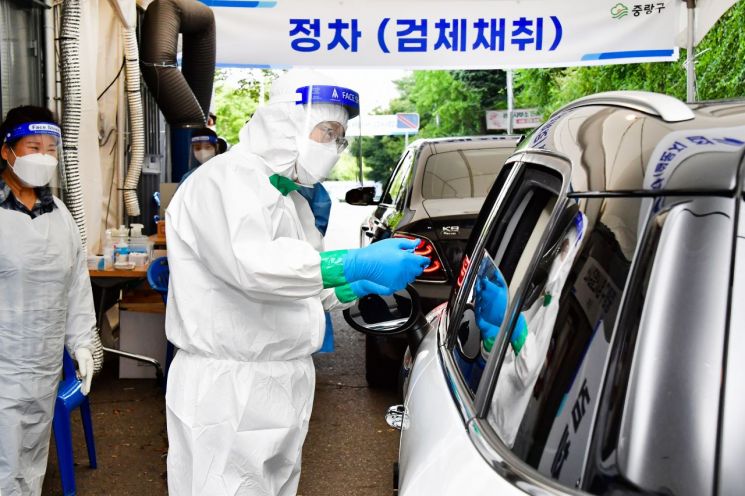
Ryu Kyung-gi, Mayor of Jungnang-gu, took on the role of a frontline worker on the morning of the 10th at the Mangwoo Reservoir Park drive-through temporary screening clinic, working a day shift himself.
On that day, Mayor Ryu carefully monitored the operation status and encouraged staff in preparation for increased testing volume before and after visits to hometowns during the Chuseok holiday.
Later, acting as a screening staff member, Mayor Ryu received COVID-19 test questionnaires from residents visiting Mangwoo Reservoir Park for testing and distributed specimen containers, also hearing various impressions and opinions.
Mayor Ryu Kyung-gi said, “For this meaningful holiday, I ask everyone to strictly follow quarantine rules for the safety of their beloved families and to get tested whenever symptoms appear. We will thoroughly prepare so that residents can spend a safe and comfortable Chuseok during the holiday period.”
The Jungnang-gu drive-through screening clinic will be closed from the 19th to the 21st for the Chuseok holiday but will operate normally on the 18th and 22nd. Residents wishing to get tested between the 19th and 21st can use the Jungnang-gu Public Health Center screening clinic or the Myeonmok Station temporary screening clinic.
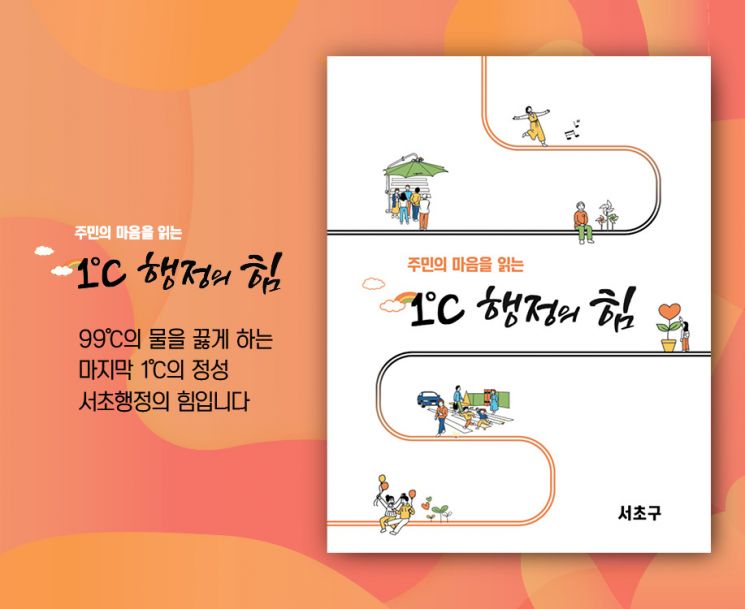
How wonderful would it be to have some shade at a crosswalk under the blazing sun? Or to feel warm while waiting for a bus in the cold winter? Must we just pay the property tax that has risen too much? Is it safe to cross a crosswalk without traffic lights?
To alleviate such everyday inconveniences and concerns felt by residents, Seocho-gu (District Mayor Cho Eun-hee) has been continuously innovating its administration, becoming a nationwide standard for local governments even during the COVID-19 pandemic.
The Ministry of the Interior and Safety operates the representative government innovation sharing platform ‘Government Innovation 1st Street,’ which has registered a total of 656 excellent cases from 243 local governments nationwide. Seocho-gu leads with 111 cases, accounting for 17% of all registered cases, maintaining a commanding lead as number one.
The district not only discovers and promotes innovation cases but also shares administrative know-how nationwide and published the administrative innovation best practice book titled ‘The Power of 1℃ Administration Reading Residents’ Hearts.’ This is the third edition following last year’s publications ‘Miracles of Daily Life Solved with Boldness’ and ‘Policy Manli 20.’
This best practice book includes 12 representative innovative cases of Seocho-gu such as ▲ ‘Seocho-type Shared Daycare Centers’ that drastically reduced waiting lists by combining different childcare facilities including public and private daycare centers ▲ ‘Runway-type Crosswalks’ with LED guide lights installed on both sides of crosswalks significantly reducing traffic accidents ▲ ‘Seocho-type Single-Person Household Policy,’ the nation’s first single-person household support center serving as a national model ▲ ‘Smart Senior Project’ providing customized digital education for seniors in a non-face-to-face society.
Each case is presented as a storybook showing the process of how staff’s efforts to resolve residents’ inconveniences became innovative best projects setting the standard for Korea. It is produced as a foldable flap book to enhance focus and interest.
Cho Eun-hee, Mayor of Seocho-gu, said, “Like the last 1℃ that boils 99℃ water, the power of 1℃ administration reading residents’ hearts has led to these achievements. We will continue to innovate and change with our staff for residents’ happiness.”
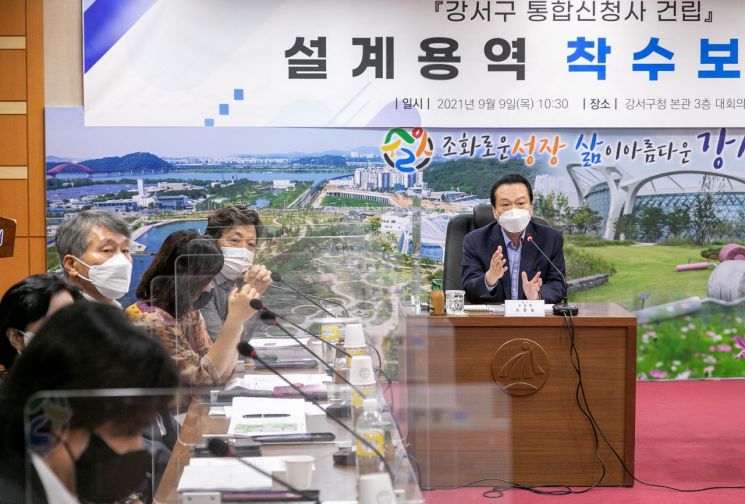
Gangseo-gu, Seoul (District Mayor Roh Hyun-song) held the ‘Gangseo-gu Integrated New Office Building Construction Design Service Kickoff Meeting’ in the district office’s main conference room on the morning of the 9th.
The meeting proceeded in the order of ▲ awarding the winning entries of the international design competition for the integrated new office building ▲ kickoff report for the design service ▲ Q&A session.
Attendees shared details of the selected winning design and exchanged opinions on future development directions.
The final winning design, ‘Gangseo Jingyeong Dowon (眞景都園)’ by Haean Comprehensive Architecture Office Co., Ltd., is a modern reinterpretation of Geomjae’s true-view landscape paintings.
It depicts a park-style administrative complex town where nature, the village, and people’s daily lives harmonize.
The integrated new office building is planned to be constructed on a 22,440㎡ site at 745-3 Magok-dong, targeting completion in 2026. It will house public institutions including the district office, district council, and health center, along with various resident convenience facilities.
Mayor Roh Hyun-song said, “The construction of Gangseo-gu’s integrated new office building will be a dignified building befitting the status of a developed premium city and a symbol heading toward a future city. We will do our best to build an open space accessible to all residents.”
© The Asia Business Daily(www.asiae.co.kr). All rights reserved.



















