PPI Continues Monthly Rise Due to Global Commodity Price Increase
China Likely to Accelerate Financial Policies Including Additional Reserve Requirement Ratio Cut
[Asia Economy Beijing=Special Correspondent Jo Young-shin] China's monthly Producer Price Index (PPI) growth rate has reached its highest level in 13 years. It is analyzed that the surge in China's PPI is due to the continued rise in international raw material prices.
On the 9th, China's National Bureau of Statistics announced that China's PPI in August rose 9.5% year-on-year. The bureau explained that the PPI continues to show an upward trend due to rising prices of coal, chemicals, and steel.
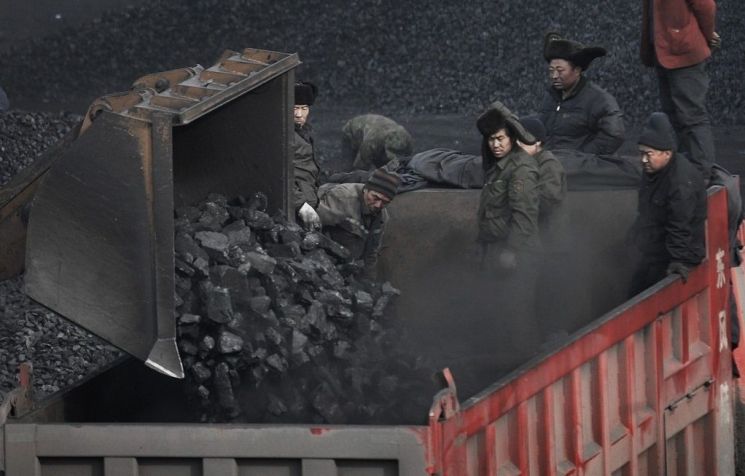
In particular, the PPI growth rates were high in coal mining (57.1%), oil and natural gas extraction (41.3%), petroleum and coal processing (35.3%), ferrous metal mining (46.1%), and chemical fiber manufacturing (24.0%).
The rise in PPI means that the prices of goods produced in factories have increased, which affects consumer prices.
The Chinese government is making efforts to minimize the side effects of rising international raw material prices by strengthening management and supervision of speculative demand, but the upward trend in PPI has not stopped. Additionally, the government has imposed '0%' import tariffs on some raw materials such as steel products to curb inflation, but there are criticisms that these measures have not been effective.
Since the rise in international raw material prices cannot be immediately reflected in product prices, there is also a possibility that the profitability of Chinese manufacturing companies may deteriorate.
In this context, the People's Bank of China, the country's central bank, lowered the reserve requirement ratio (RRR) by 0.5 percentage points in July. With a 0.5 percentage point cut in the RRR, Chinese banks gain a lending capacity of 1 trillion yuan (approximately 177 trillion Korean won). The Chinese government has taken a 'passive quantitative easing' measure by supplying funds to the market through the RRR cut.
Some in the Chinese business community expect an additional RRR cut. There are forecasts that financial authorities may further lower the RRR as early as the end of September or at the latest in the fourth quarter to alleviate funding difficulties for small and medium-sized enterprises.
Before the additional RRR cut, the People's Bank of China increased the scale of small loans (reloans) to banks by an additional 300 billion yuan (54 trillion won) earlier this month. The target borrowers of these funds are local small and medium-sized enterprises and self-employed individuals.
Since China's PPI indicates a rise in prices of Chinese-made products, it is expected to soon affect the prices of manufactured goods worldwide.
While China's PPI continues to rise, the Consumer Price Index (CPI) remains stable. Last month, the CPI rose only 0.8% year-on-year. By region, urban areas saw a 1.0% increase, while rural areas rose 0.3%. Up to August, the average consumer price in China increased 0.6% compared to the same period last year.
© The Asia Business Daily(www.asiae.co.kr). All rights reserved.

















