[Seoul District News] From September to November, 'Mapo's Top 10 Walkable Paths' Second Half Challenge Operated... Monthly 100 Winners Receive Mapo Love Gift Certificates via Draw... Cha Hyun-il, Yeongdeungpo District Mayor, Inspects World Cup Bridge Opening Site... Lee Dong-jin, Chair of Local Autonomy and Decentralization Council, Participates in 'Resident Autonomy Arirang' Forum Discussion... Dobong-gu Changdong Station Temporary Screening Clinic Moves to Dobong-gu Office Plaza from September 6... Gwangjin-gu Provides Second Round of 500,000 KRW Employment Incentives to Unemployed Youth
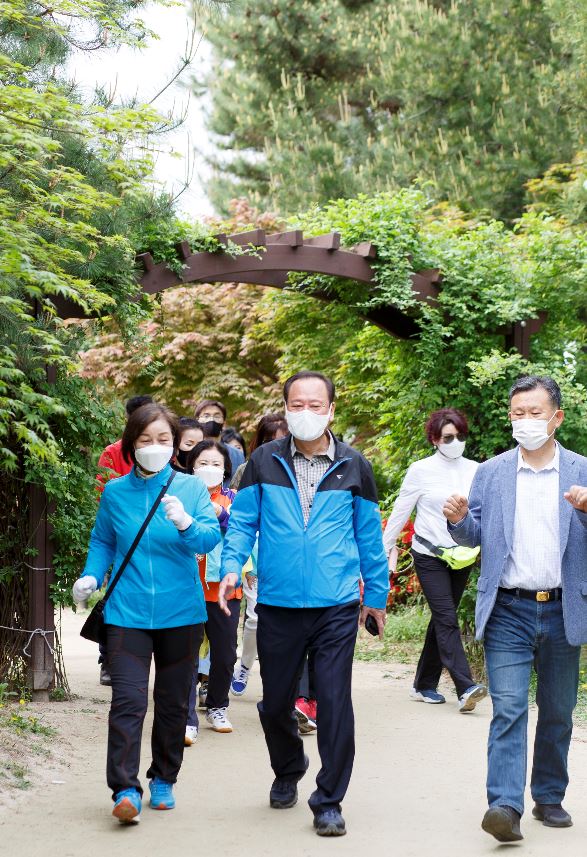 In April, Yoodonggyun, Mayor of Mapo District (center), walking the Mapo Walking Path Course 6 'Mangwon Hangang Trail' together with residents
[Asia Economy Reporter Park Jong-il] Mapo-gu (Mayor Yoo Dong-gyun) is operating the ‘Mapo, 10 Walking Paths You Want to Walk’ walking challenge to take care of residents’ health tired from the prolonged COVID-19 pandemic and to promote walking culture.
‘Mapo, 10 Walking Paths You Want to Walk’ is a walking travel route developed last year by the district by combining local stories and tourism elements. It gained attention for allowing people to safely enjoy their own travel nearby without going far in the non-face-to-face era, receiving great response from residents, including being selected as the No. 1 news in Mapo-gu’s top 10 news in 2020.
Accordingly, from May to June, the district conducted a walking challenge targeting courses 1 ‘Gyeongui Line Forest Trail’ to 4 ‘Mapo Hangang Trail’ for residents and tourists who were spending their daily lives feeling stuffy. About 7,600 people participated in the challenge, establishing the walking paths as representative walking tourism courses of Mapo.
With the walking-friendly season from September to November, the second half walking challenge of ‘Mapo, 10 Walking Paths You Want to Walk’ will be promoted again, selecting two courses each month from the remaining six courses. The September challenge will be held from the 6th to the 26th, targeting course 5 ‘Wow! Hongdae Road’ and course 6 ‘Mangwon Hangang Trail’.
To participate in the challenge, install and sign up for the ‘WalkOn’ app from Google Play or the App Store, then search for ‘Mapo, 10 Walking Paths You Want to Walk Challenge’ in the challenge mode at the bottom and join.
By practicing social distancing such as maintaining safe distance and wearing masks, completing more than 80% of each course counts as a successful mission. Those who achieve the mission will receive a mobile coupon entry ticket, and after the challenge ends, 100 people each month will be selected by lottery from those who participated in the entry to receive a 10,000 KRW Mapo Love Gift Certificate in an event.
For more details about the walking challenge, contact the Mapo-gu Tourism Division for guidance.
Yoo Dong-gyun, Mayor of Mapo-gu, said, “Autumn with cool winds is the best season for walking,” adding, “I hope you take care of your health and enjoy discovering hidden attractions of Mapo through the ‘Mapo, 10 Walking Paths You Want to Walk’ walking challenge.”
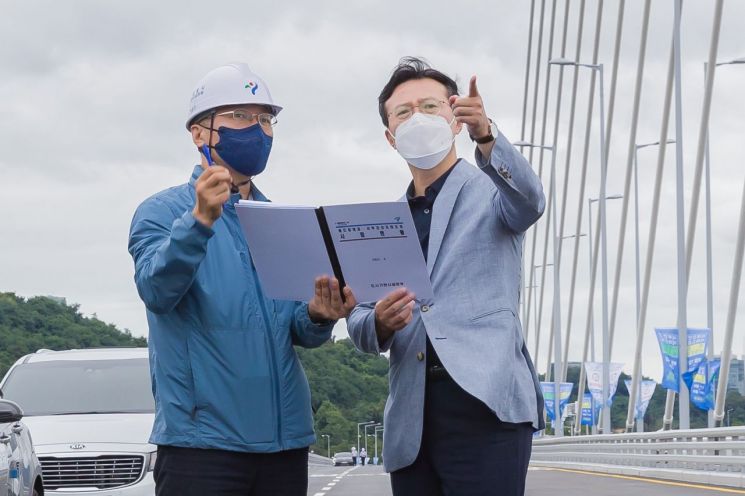
Chae Hyun-il, Mayor of Yeongdeungpo-gu (right), conducted an on-site inspection with Seoul city officials at World Cup Bridge on the morning of the 1st.
Before the full opening of World Cup Bridge and the Western Arterial Underground Road, Mayor Chae carefully examined the main bridge section and air purification facilities inside the underground road with Seoul city and construction officials.
Chae Hyun-il, Mayor of Yeongdeungpo-gu, said, “With the opening of World Cup Bridge and the Western Arterial Underground Road, habitual traffic congestion will be resolved, greatly improving the nearby traffic environment,” and added, “We will continue district-level support and efforts to make Yeongdeungpo a pleasant and livable place.”
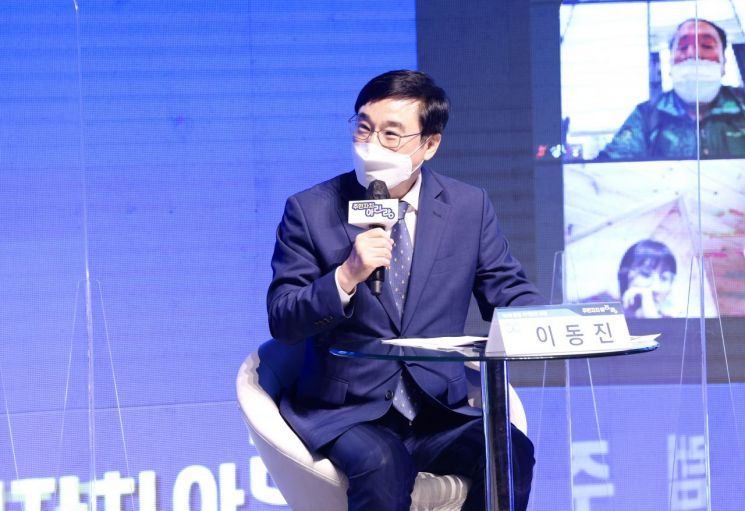
Lee Dong-jin, Chairman of the Local Autonomy and Decentralization Local Government Council (Mayor of Dobong-gu, Seoul), participated as a discussant in the talk concert of the ‘Resident Autonomy Arirang, Welcoming Resident Autonomy’ decentralization forum jointly hosted by Gwangmyeong City and the Local Autonomy and Decentralization Local Government Council at Gwangmyeong Lifelong Learning Center (Gwangmyeong Theater) in Gwangmyeong-si, Gyeonggi-do on the 1st.
Following 2019, the 2nd Decentralization Forum held in Gwangmyeong City was prepared as a public discussion platform where citizens, local governments, experts, and politicians discussed the spirit of the ‘Decentralization 2.0 Era’ marked by the 30th anniversary of local autonomy restoration and the full revision of the Local Autonomy Act after 32 years, focusing on the practical realization of resident sovereignty.
In the first part of the talk concert ‘Resident Autonomy! Feel and Know,’ a dialogue with residents was held under the theme ‘Resident,’ and in the second part, under the theme ‘Autonomy (自治),’ Chairman Lee Dong-jin, Gwangmyeong Mayor Park Seung-won, and Seodaemun-gu Mayor Moon Seok-jin held a discussion. The forum was held with real-time communication with citizens via YouTube live streaming and Zoom.
Chairman Lee Dong-jin said, “One of the very core elements of the full revision of the Local Autonomy Act is ‘sovereignty of the people,’ and the purpose of ‘local autonomy’ lies in ‘resident autonomy.’ Resident autonomy is a process in which residents themselves become the main agents who consider and improve local issues and continuously seek solutions together with local governments.” He added, “It is important for local governments to simultaneously make efforts to work with residents and empower them as main agents, and local governments must cooperate to realize decentralization through resident autonomy and grassroots democracy.”
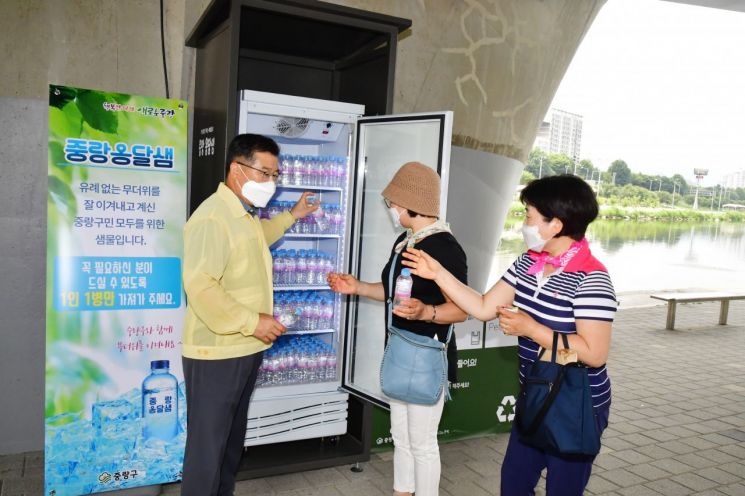
The outdoor heat shelter ‘Jungnang Ongdalsaem’ in Jungnang-gu, which comforted residents exhausted by the heat with cool bottled water during the long heatwave, ended its operation for this year on the 31st.
Jungnang-gu (Mayor Ryu Kyung-gi) installed ‘Jungnang Ongdalsaem,’ a booth equipped with refrigerators, at a total of 15 locations including 9 park walking trails, 4 along Jungnangcheon Stream, and 2 vaccination centers from July 28, supplying bottled water five times a day.
Residents used about 29,500 bottles of water daily on average, and on days with high temperature and humidity, up to 40,000 bottles were consumed in a day.
The response from residents was very positive. Mr. Kang from Sinnae-dong, who often climbs Bonghwasan Mountain, said, “It was useful when I forgot to bring water from home.” Positive feedback such as “The refrigerator’s name is clever” and “I desperately needed a sip of water in the heat, and Ongdalsaem helped cool down” was also conveyed through Jungnang-gu’s official blog and phone calls.
Encouraged by the high popularity among residents, the district plans to operate ‘Jungnang Ongdalsaem’ again next year. Refrigerator management personnel will be assigned to ensure that those who really need water take one bottle each and to facilitate smooth recycling, and continuous promotion of conscientious use will be conducted.
Ryu Kyung-gi, Mayor of Jungnang-gu, said, “I thank all residents who used Jungnang Ongdalsaem in an orderly and considerate manner to prevent heatwave damage that can suddenly occur outdoors,” adding, “We will also thoroughly implement heatwave measures continuing until September to protect residents’ safety.”
The district will continue the heatwave measures initiated in May until the end of September. So far, 1,278 people have taken rest from the heat at 156 heat shelters including 5 safe accommodations, community centers, welfare centers, and senior centers in each neighborhood.
Health-vulnerable groups are also carefully cared for. Visiting health management and telephone health counseling are provided for elderly people living alone or with disabilities and chronic diseases to monitor residents’ health.
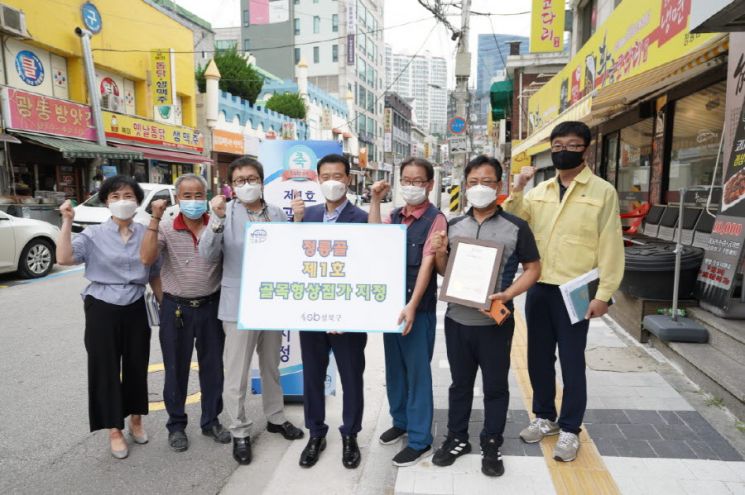
Seongbuk-gu (Mayor Lee Seung-ro) designated Jeongneunggol and Kkumui Sup Janggok as alley-type shopping districts and delivered the ‘Alley-type Shopping District Designation Certificate’ to the merchants’ association on August 30.
An alley-type shopping district is designated upon application by merchant organizations in areas where more than 30 stores operated by small business owners are concentrated within an area of 2,000㎡ or less. Once designated, the district can register as an Onnuri gift certificate affiliated store, receive support for business environment improvement and marketing projects, and participate in national and city government grant projects.
Previously, shopping districts could only be designated if retail and wholesale stores accounted for more than 50%, excluding dense areas of restaurants and others that make up a significant portion of alley commercial districts from various supports.
Since the revision and enforcement of the ‘Special Act on the Promotion of Traditional Markets and Shopping Districts’ in August last year, areas with dense stores can be designated as alley-type shopping districts regardless of business type.
Accordingly, Seongbuk-gu enacted the ‘Ordinance on Designation and Activation Support of Alley-type Shopping Districts’ in April this year and designated two alley-type shopping districts. Mayor Lee Seung-ro said, “This designation is expected to be a catalyst for creating competitive alley commercial districts,” adding, “We will not stop at the first and second designations but encourage designation by discovering various shopping districts and merchant organizations in the region and promote various support projects to revitalize the local commercial district depressed by COVID-19.”
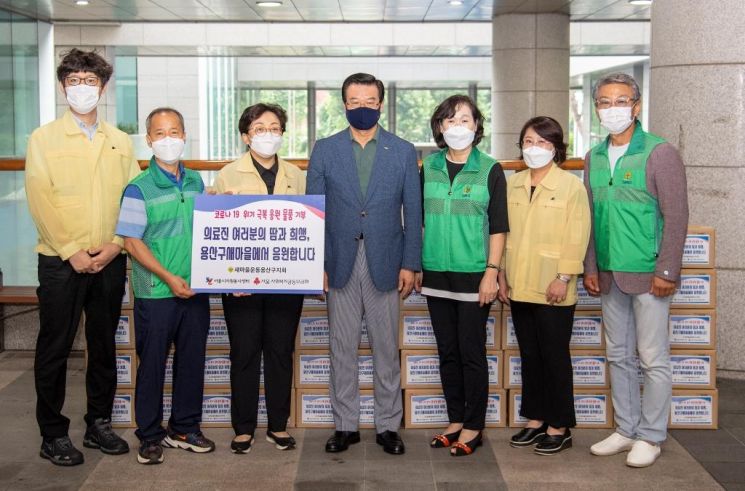
Saemaul Undong Yongsan-gu Branch (Chairman Ji Young-hwan) delivered 71 boxes of ‘Red Ginseng Sets’ worth about 18 million KRW to Yongsan-gu Public Health Center on the 31st of last month.
This is part of the campaign to overcome the crisis in response to the novel coronavirus infection (COVID-19). The delivery ceremony was held on the first floor of the district office building, attended by Yongsan-gu Mayor Seong Jang-hyun, Saemaul Undong Yongsan-gu Branch Chairman Ji Young-hwan, and Public Health Center Director Choi Jae-won.
The encouragement items were jointly prepared by Saemaul Undong Yongsan-gu Branch, Seoul Volunteer Center, and Seoul Social Welfare Community Chest. Ji Young-hwan, Chairman of Saemaul Undong Yongsan-gu Branch, said, “I hope the medical staff who are overwhelmed with heavy workloads in a situation where daily confirmed cases exceed 1,000 can recover their strength even a little.”
The district plans to distribute the donated items to medical staff, workers, and volunteers at public health centers and screening clinics.
Seong Jang-hyun, Mayor of Yongsan-gu, said, “I deeply appreciate Saemaul Undong Yongsan-gu Branch for sending encouragement items during this difficult time when frontline medical staff are exhausted,” adding, “The district will do its best to help citizens recover their daily lives as soon as possible.”
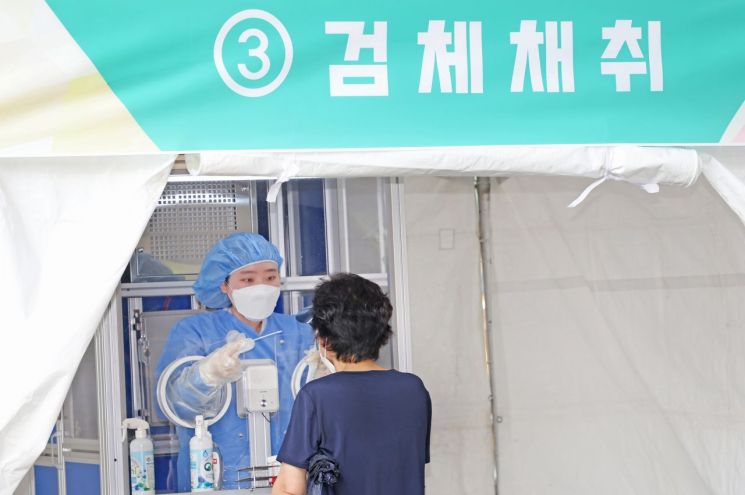
Dobong-gu (Mayor Lee Dong-jin) announced that the ‘Temporary Screening Clinic’ operated at the underpass plaza of Exit 1 of Chang-dong Station since July will be relocated to the plaza in front of Dobong-gu Office starting September 6.
The district explained that the relocation is due to difficulty operating the temporary screening clinic because of the installation of convenience facilities and aesthetic improvement construction under the east side overpass of Chang-dong Station, and to improve accessibility for residents of Dobong-dong and Banghak-dong considering the locations of the existing public health center screening clinic (Ssangmun-dong) and Dobong Community Center temporary screening clinic (Chang-dong).
The temporary screening clinic at the plaza in front of Dobong-gu Office will operate from 9 a.m. to 5 p.m. on weekdays (disinfection time from 12 p.m. to 1 p.m.), from 9 a.m. to 6 p.m. on Saturdays (disinfection time from 12 p.m. to 1 p.m.), and from 9 a.m. to 1 p.m. on Sundays and public holidays (no disinfection time). No tests will be conducted during disinfection times.
Dobong-gu operates a total of three clinics (testing sites), including one screening clinic at Dobong-gu Public Health Center, one temporary screening clinic at Dobong Community Center, and one temporary screening clinic at the plaza in front of Dobong-gu Office.
The operating hours of the temporary screening clinics at Dobong Community Center and the plaza in front of Dobong-gu Office are the same. The Dobong-gu Public Health Center screening clinic operates from 9 a.m. to 9 p.m. on weekdays (disinfection times from 12 p.m. to 1 p.m., 3 p.m. to 3:30 p.m., and 6 p.m. to 7 p.m.) and from 9 a.m. to 6 p.m. on weekends and public holidays (disinfection time from 12 p.m. to 1 p.m. and 3 p.m. to 3:30 p.m.).
Lee Dong-jin, Mayor of Dobong-gu, said, “Since COVID-19 is spreading asymptomatically mainly among young people, temporary screening clinics by region are essential for proactive testing. The relocation is an unavoidable measure for residents’ safety, so I ask for your cooperation despite any inconvenience and encourage active participation in testing.”
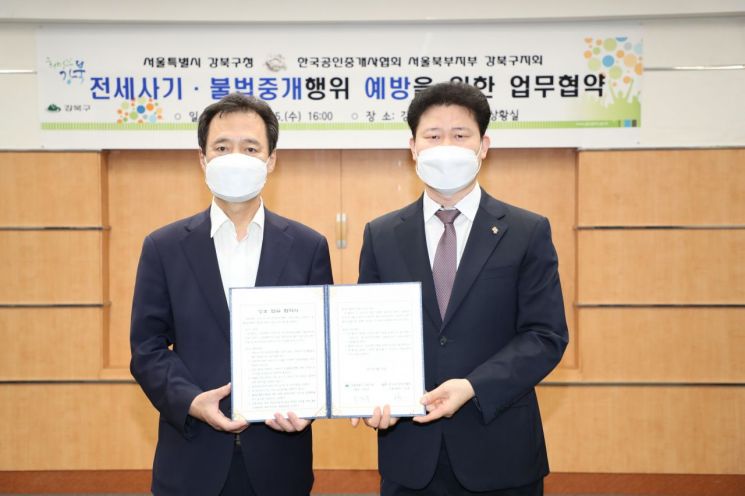
Gangbuk-gu (Mayor Park Gyeom-su) has taken measures to prevent damage caused by jeonse fraud and illegal brokerage.
According to the investigation of jeonse fraud complaints by Gangbuk-gu, jeonse fraud mainly occurred in newly built villas. The fraud involved landlords signing lease contracts with jeonse deposits exceeding market prices and then transferring the property to rental operators who only lent their names. These are properties known as ‘empty-can jeonse’ where mortgage loans and jeonse deposits exceed the sale price. Sometimes brokerage assistants introduced clients to sales agencies.
Accordingly, the district signed a business agreement with the Gangbuk Branch of the Korea Association of Realtors on the 25th of last month. Both sides agreed to cooperate to prevent jeonse fraud and illegal brokerage activities.
First, licensed realtors will inform clients about real estate market prices and caution them about jeonse fraud. When asked to write a jeonse contract for loan purposes with a jeonse deposit higher than the sales price, they will scrutinize more carefully. Education will also be strengthened to prevent brokerage assistants from acting alone.
The district plans to distribute notices containing types of jeonse fraud and precautions to real estate agencies. Local agencies will post prevention notices and promotional materials inside their offices. A district official said, “Legitimate real estate agencies have ‘Certified Realtor Office’ or ‘Real Estate Brokerage’ in their names,” adding, “You should check whether it is a sales agency or a properly registered store before requesting brokerage.”
To establish a sound real estate transaction order, the district plans to strengthen guidance and inspections targeting brokerage offices. Illegal acts by brokerage assistants or unregistered persons will be dealt with strictly through investigation requests and administrative measures.
Park Gyeom-su, Mayor of Gangbuk-gu, said, “Jeonse fraud damage can be minimized if the public and private sectors actively cooperate in prevention activities,” adding, “I hope this agreement plays a significant role in enhancing the safety of lease contracts and protecting residents’ property.”
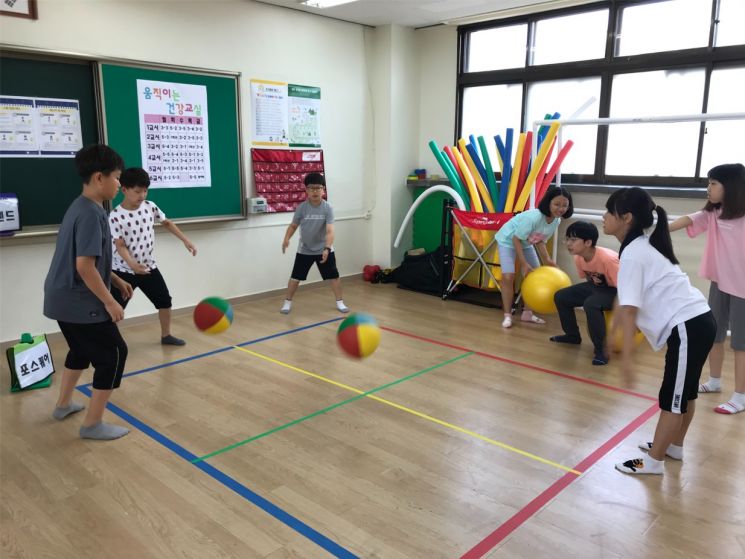
Gangdong-gu (Mayor Lee Jeong-hoon)’s ‘Moving Classroom! Healthy and Happy School’ project won the grand prize in the joint policy category at the 6th Korea Healthy City Awards 2021 hosted by the Korea Healthy Cities Partnership (KHCP).
The Korea Healthy City Awards is the only domestic competition that discovers excellent cases of healthy cities by category annually among 102 metropolitan and basic local government member cities of the Korea Healthy Cities Partnership.
The district recognized the seriousness of the increasing child and adolescent obesity rate early and was the only district in Seoul to enact an ordinance related to child obesity prevention in 2017. It developed and actively promoted the Gangdong-type child obesity prevention model ‘Moving Classroom! Healthy and Happy School,’ applying the child obesity reduction model of Sein?joki City, Finland, which is a WHO best practice.
Every year, with the district budget, the design proposed by students, teachers, and parents is reviewed by experts and transformed into caf?-type spaces suitable for play and learning on school rooftops, secluded backyards, and empty lobbies to create an environment for obesity prevention and healthy growth of students.
With this award, the district plans to expand the project to all schools and local children’s centers that have not yet participated, as the policy’s effectiveness has been proven.
Lee Jeong-hoon, Mayor of Gangdong-gu, said, “‘Moving Classroom! Healthy and Happy School,’ which won the grand prize, started from the idea that ‘space changes children’ as part of Gangdong-type spatial welfare,” adding, “We will make spaces where children stay and learn into places where they can build healthy and happy memories.”
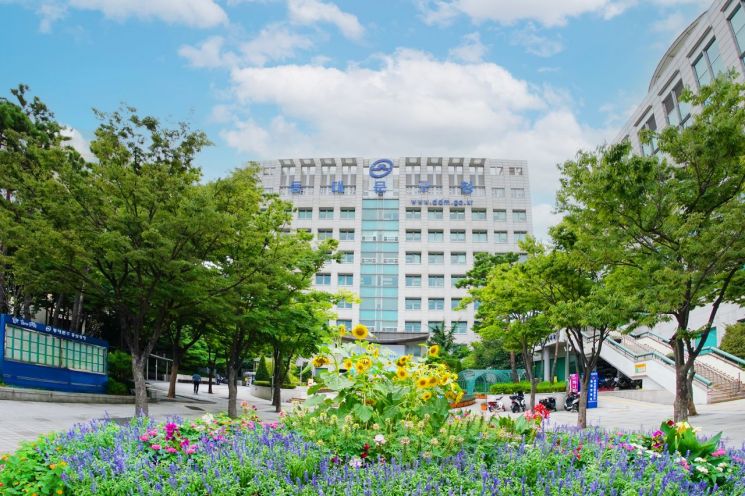
Dongdaemun-gu (Mayor Yoo Deok-yeol) will operate the ‘2021 Safe Pharmacy’ program using local pharmacies until December to ensure residents’ health and safety.
Started in 2015, ‘Safe Pharmacy’ means receiving detailed and convenient health management programs at pharmacies. Currently, a total of 30 locations operate in Dongdaemun-gu, and in the first half of this year alone, 863 residents received 1,283 consultations, showing active operation.
Residents who need medication counseling, mental health, and smoking cessation counseling can use ‘Safe Pharmacy.’ Especially, medically vulnerable groups such as basic livelihood security recipients who are at high risk of medication overdose are included in the intensive management target.
Safe Pharmacy manages patients’ medication history and checks the current medications to help prevent unnecessary simultaneous intake of drugs.
Through systematic and comprehensive patient-tailored medication counseling, it not only improves treatment effectiveness by informing patients of correct medication methods but also prevents drug misuse.
Additionally, it links suspected depression patients to medical institutions and mental health centers to prevent suicide, provides smoking cessation counseling for those who wish to quit, and connects them to public health center smoking cessation clinics, offering resident-centered smoking cessation services.
Yoo Deok-yeol, Mayor of Dongdaemun-gu, said, “We aim to provide high-quality health services to residents through excellent local experts at neighborhood pharmacies with good geographic and time accessibility, so we ask for more interest and participation.”
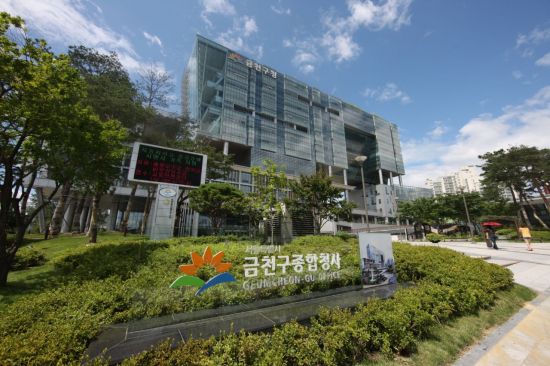
Geumcheon-gu (Mayor Yoo Seong-hoon) announced that it will hold an online direct transaction market from September 6 to September 16 to help sister city farmers struggling due to COVID-19.
At this online direct transaction market, 34 items of agricultural and marine specialty products from sister cities such as ‘pomegranate juice,’ ‘dried anchovies,’ ‘goji berry traditional sweets,’ ‘deodeok (Codonopsis lanceolata),’ and ‘shiitake mushrooms’ from Namhae-gun, Gyeongnam; Goheung-gun, Jeonnam; Cheongyang-gun, Chungnam; and Hoengseong-gun, Gangwon will be available at prices 10-20% cheaper than market prices.
Products and prices by sister city can be checked on the district website ‘Geumcheon News’ or through promotional materials prepared at each community service center.
Residents wishing to purchase can order by phone or email (ajc2020@geumcheon.go.kr) to the Geumcheon-gu Regional Economy Division and transfer the purchase amount to the designated account. Products will be delivered sequentially by courier from September 7.
The online direct transaction market for sister cities will also sell specialties from Un-gok-myeon and Bi-bong-myeon of Cheongyang-gun, sister cities of Doksan 4-dong Community Service Center and Geumcheon-gu Small Business Association.
Yoo Seong-hoon, Mayor of Geumcheon-gu, said, “Due to COVID-19, the direct transaction market for sister city agricultural and marine specialties, which was held at the district office square during holidays, will be operated online to prevent the spread of COVID-19,” adding, “We ask for residents’ great interest and participation to help sister city farmers struggling to find sales channels due to COVID-19.”
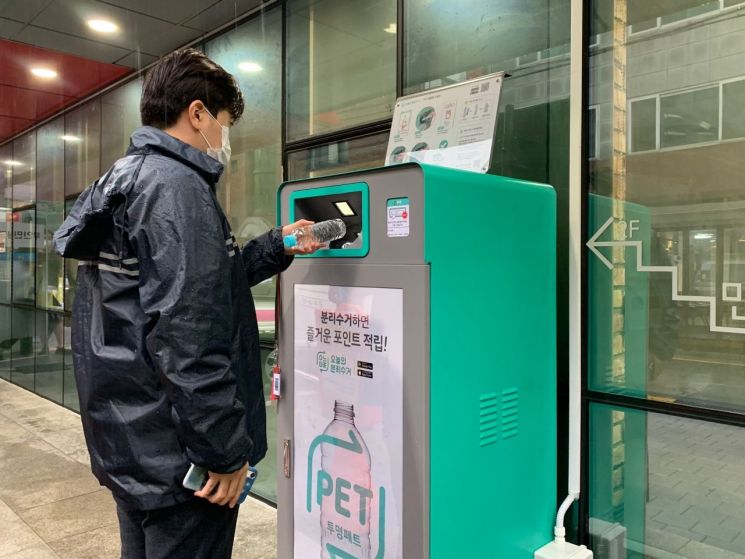
Seocho-gu (Mayor Cho Eun-hee) is promoting the ‘Plastic-Free Seocho Project’ to proactively respond to climate change issues and environmental policy changes such as carbon neutrality.
The district initiated the project due to the recent increase in single-person households and the surge in recyclable waste caused by the COVID-19 pandemic, aiming to improve the resource recovery rate of high-quality recycled fuels such as waste plastics by establishing a unique resource circulation system in Seocho-gu.
First, from the 1st, the district operates ‘Transparent PET Bottle Smart Collection Boxes’ at three locations in Yangjae 1 and 2-dong and Naegok-dong. Equipped with artificial intelligence (AI) and Internet of Things (IoT) technology, the smart collection box recognizes the barcode of transparent PET bottles, and when inserted, points are accumulated through a smartphone app. Each PET bottle earns 10 points, and 100 points can be exchanged for one 200ml milk carton. It can also be exchanged for mobile coupons for beverages or pizza.
Additionally, the district is promoting the ‘Transparent PET Bottle High-Quality Resource Recycling Project.’ In June, the district signed a Memorandum of Understanding (MOU) with Black Yak Co., Ltd., headquartered in Seocho-gu, to establish a transparent PET bottle resource circulation system. The district will support recycling collected transparent PET bottles into high-quality recycled materials such as eco-friendly clothing and goods in cooperation with Black Yak.
Furthermore, to prevent quality degradation of recyclables caused by mixed disposal of waste vinyl, the district plans to implement a ‘Waste Vinyl Separate Disposal Day System’ from next month, allowing waste vinyl to be disposed of and collected only on specific days (Thursday and Friday). To this end, the district is building a resource circulation promotion network with the self-help environmental group ‘Green Seocho Environmental Practice Group’ and the environmental organization ‘Eco Mom Korea,’ producing card news related to recycling practices and providing environmental education on resource circulation to elementary school students to encourage voluntary recycling participation.
Since last year, the district has been promoting the ‘Ice Pack Recycling Project,’ which has received great response from small business owners struggling due to COVID-19. Through this project, more than 100,000 recycled ice packs have been provided free of charge to 103 small business operators.
Cho Eun-hee, Mayor of Seocho-gu, said, “We will actively promote various projects for resource saving and environmental protection to create a pleasant environment,” adding, “We ask residents to actively participate in reducing waste in daily life.”
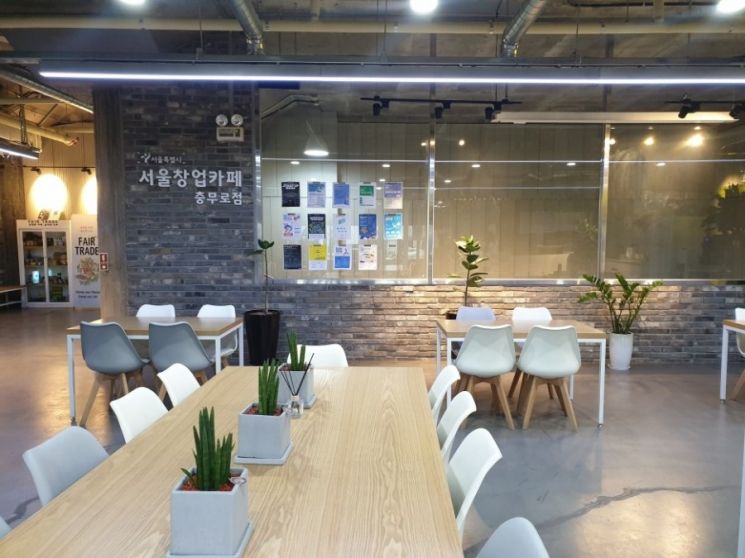
Jung-gu (Mayor Seo Yang-ho) is recruiting tenants for ‘Chungmu Startup Cube,’ an incubating space for youth startups.
Since its opening in April 2018 to support young startups, ‘Chungmu Startup Cube’ has provided various startup support services such as startup education, one-on-one mentoring, networking, and startup spaces. It has 14 individual startup spaces, an open multipurpose space for exhibitions and performances, and a shared sample training room for the local strategic sewing industry. This time, it is recruiting tenants for two individual startup rooms.
Entrepreneurs with feasible startup items and business plans are encouraged to apply actively.
Eligible applicants must be residents of Seoul’s Jung-gu as of the announcement date, aged between 19 and 39, and be early-stage entrepreneurs planning to start a business within one year or who have started a business within the past three years. Applicants must be representatives, and the address and age criteria must be met by the representative.
The basic tenancy period is six months, extendable up to two years including the basic six months depending on performance. The usage fee is 10,000 KRW per person per month (excluding VAT), and startup space, equipment inside the space, internet, and electricity fees are supported upon moving in.
The application period is from September 7 to 9 for three days, and applications can be submitted by visit, mail, or email. Tenant selection will be decided by a screening committee after first document screening and second interview. Selected tenants will sign contracts at the end of September.
For detailed information such as application documents, refer to the announcement on the Chungmu Startup Cube website. For inquiries, contact the Urban Industry Division 2 Team of Jung-gu Office or Chungmu Startup Cube. Mayor Seo Yang-ho said, “I hope Chungmu Startup Cube will serve as a guide for young entrepreneurs in our district preparing startups with excellent ideas,” adding, “We will support entrepreneurs and youth in various ways to encourage their growth.”
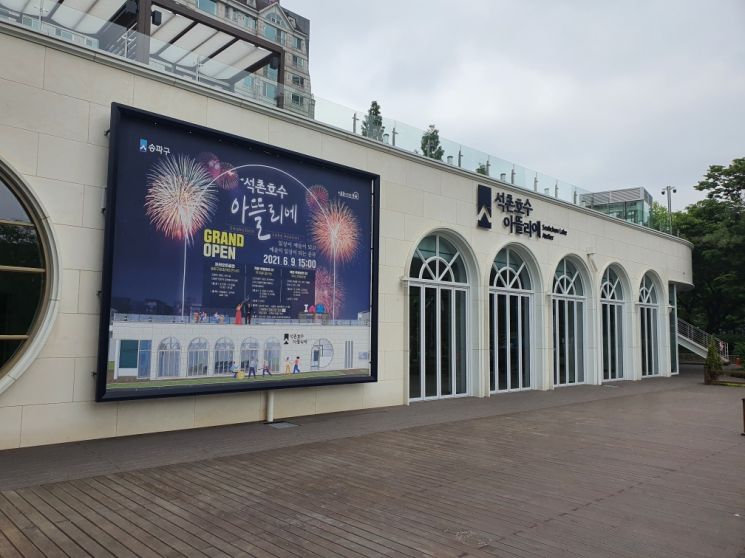
Songpa-gu (Mayor Park Seong-su) will hold the ‘Seokchon Lake Atelier Special Exhibition’ for one month from September 1 at ‘Seokchon Lake Atelier’ located at the west lake of Seokchon Lake to overcome COVID-19 blues.
The district prepared a special exhibition by four contemporary art teams at the newly opened ‘Seokchon Lake Atelier’ to provide residents, who are going through difficult times due to COVID-19, with opportunities to easily access and appreciate contemporary art close to daily life.
This exhibition features new contemporary art through various media such as ▲media art ▲kinetic art ▲installation art ▲public art projects.
Inside ‘Seokchon Lake Atelier,’ works such as ‘Garden of Contemplation’ by artist Park Sang-hwa expressing artificial nature through media art and ‘this moment Matters’ kinetic art by artist Kim Dong-hyun are exhibited. Installation work ‘Boring Door’ by artist Lee Ji-yeon is displayed on the outdoor deck and interior walls.
On the rooftop of the atelier, acrylic installation art by the ‘Garosaero Art Project Team,’ composed of students majoring in architecture at Kookmin University, is exhibited. The work captures the aesthetics of materiality through light projection, changing colors depending on light and angle, allowing viewers to see various appearances of the work at different times.
Especially, the exhibition includes the video media work ‘Future Sculpture,’ created with residents as part of a public art project to commemorate moments overcoming COVID-19, enriching the viewing experience.
Park Seong-su, Mayor of Songpa-gu, said, “As COVID-19 has prolonged, people have lost many opportunities to enjoy culture,” adding, “Through this new contemporary art exhibition, which has not been shown much before, I hope residents can experience diverse arts and find comfort even for a moment.”
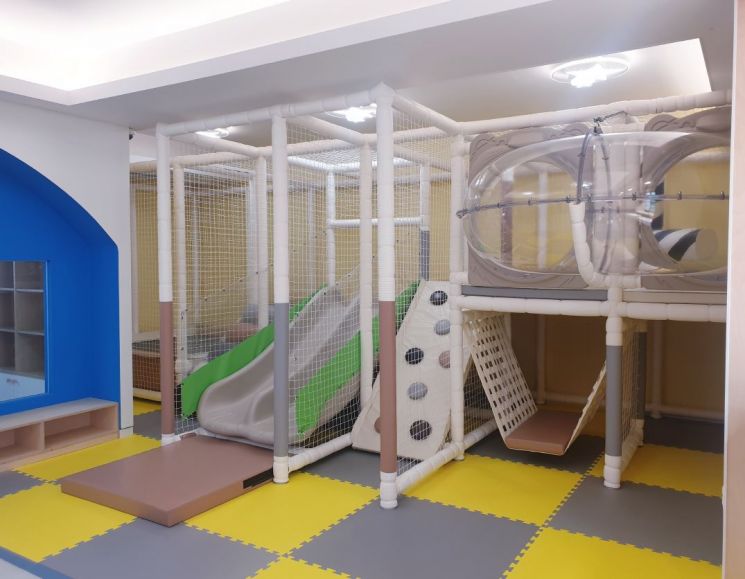
Yeongdeungpo-gu (Mayor Chae Hyun-il) announced the opening and full operation of three new ‘I-Land’ after-school care centers for elementary school students.
Following two centers opened in Daerim 3-dong and Singil 5-dong in July, an additional center opened in Yeongdeungpo-dong on September 1, making a total of 11 I-Land centers in Yeongdeungpo-gu.
I-Land (Our Neighborhood Care Center) is a gap childcare facility providing after-school care services for elementary students, created to fill the blind spots of public care by offering leisure and play spaces and various activities for children who were left alone at home or moving between academies after school.
The centers have directors and care teachers with rich social welfare experience and childcare qualifications who conduct various programs with children.
Besides homework and reading log guidance, programs such as art, storytelling, and creative science help develop children’s learning abilities and social skills with peers, receiving high satisfaction and praise from parents.
The newly opened 9th, 10th, and 11th I-Land centers were selected considering local care demand and children’s main movement routes. The 9th center in Daerim 3-dong (Daerim-ro 41-gil 18) is located near Sinyeong Elementary School for convenient use by students. The 10th center in Singil 5-dong (Singil-ro 29-gil 5) cooperates with Yeongbok Church to provide a pleasant care space, addressing care demand in nearby large apartment complexes. The 11th center in Yeongdeungpo-dong (Beodnaru-ro 7-gil 16) has about 40 pyeong (approx. 132 sqm) of space, allowing children to freely play in a wide play area.
I-Land centers have a capacity of 20 to 25 children and operate from 11 a.m. to 8 p.m. during semesters and from 9 a.m. to 7 p.m. during vacations. Considering the ongoing COVID-19 spread making daily school attendance difficult, emergency care services are provided from morning even during semesters, applying vacation operating hours.
Children aged 6 to 12 residing in the district can apply regardless of parental income. When capacity is exceeded, children from dual-income families and lower grades are prioritized.
Applications can be made through the Our Neighborhood Care Portal website. For more details, contact the Child and Youth Welfare Division.
The district plans to open and operate the 12th and 13th I-Land centers in Singil 7-dong and Singil 6-dong by the end of this year. The district will continue to expand I-Land centers in areas needing care to establish a seamless permanent care system.
Chae Hyun-il, Mayor of Yeongdeungpo-gu, said, “With I-Land opening in neighborhoods, we expect to fill the care gaps caused by COVID-19,” adding, “We will work harder to develop and operate various childcare support measures so that parents can worry less about childcare and children can grow up healthily while dreaming freely.”
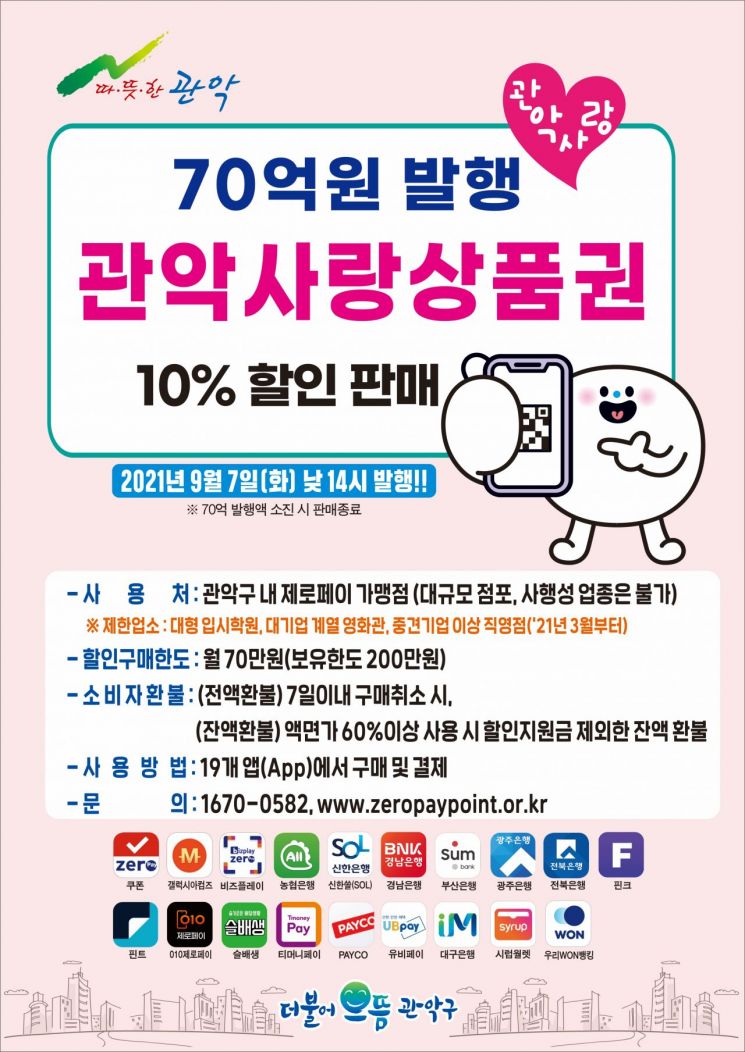
Gwanak-gu (Mayor Park Jun-hee) will issue an additional 7 billion KRW worth of Gwanak Love Gift Certificates from 2 p.m. on the 7th to celebrate the Korean traditional holiday Chuseok.
The mobile local currency Gwanak Love Gift Certificate was issued a total of 55 billion KRW, including 23 billion KRW last year and 32 billion KRW in the first half of this year, to revitalize the local economy and increase sales of small business owners affected by the prolonged COVID-19 pandemic, and was sold out with great response from residents.
With this issuance, the total issuance scale for this year will be 39 billion KRW, ranking third among Seoul’s autonomous districts. Additionally, the budget for issuing Gwanak Love Gift Certificates will be included in the second supplementary budget currently underway, with plans for additional issuance during the Korea Sale Festa event in November.
The Gwanak Love Gift Certificates, issued to stimulate local consumption and increase sales of small business owners, have no transaction fees. As of the end of August, 42.8 billion KRW out of the 55 billion KRW sold has been used, significantly contributing to the actual sales increase of small business owners affected by COVID-19.
Rich benefits for consumers are also prepared. Although the regular discount rate is 7%, a special discount rate of 10% is maintained for this additional issuance to revitalize the depressed local economy, and a 30% income deduction is provided.
Also, the number of Zero Pay affiliated stores in the region has steadily increased to 13,738 as of the end of July, expanding consumer choices. Nineteen different payment apps such as Woori WON Banking and Shinhan SOL are provided, allowing convenient mobile non-face-to-face payment methods suitable for the untact era.
The gift certificates are issued in three types of mobile denominations: 10,000 KRW, 50,000 KRW, and 100,000 KRW. The monthly purchase limit with discount is 700,000 KRW, and the holding limit is 2 million KRW. Refunds are possible within 7 days for full refunds upon purchase cancellation, and for balance refunds, if more than 60% of the face value is used, the remaining balance excluding the 10% discount support is refunded.
To strengthen support for local small business owners, usage is restricted in large stores, gambling facilities, large private academies, movie theaters affiliated with large corporations, and directly operated stores of medium-sized companies or larger. Restricted businesses can be checked on the Seoul city website (Information by field → Economy → Small Business Easy Payment → Local Love Gift Certificates → Data Room).
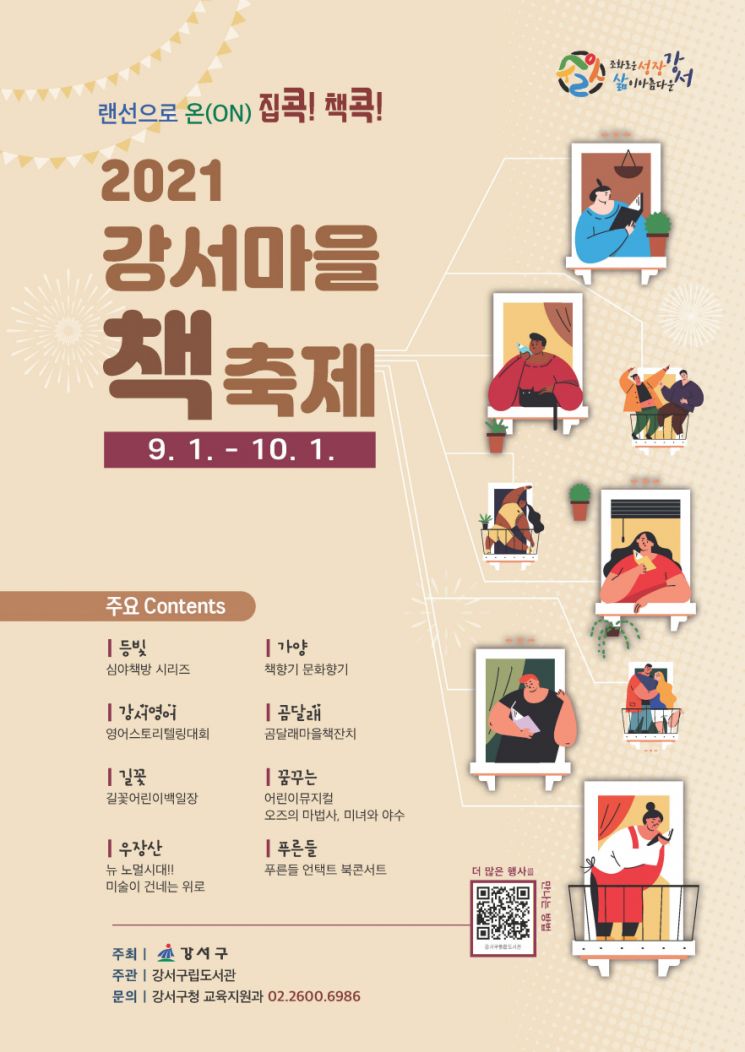
Gangseo-gu, Seoul (Mayor Noh Hyun-song) will hold the Gangseo Village Book Festival ‘Online Stay-at-Home! Book-at-Home!’ throughout September.
The event is designed to spread reading culture in the local community and revitalize daily life tired from COVID-19 through books and reading. Especially, this event will be held in a non-face-to-face and online format to prevent COVID-19 infection.
Centered on eight district libraries, about 30 programs will be operated under four themes: ▲Comfort from books, reading a lot ▲Cultural exploration Library TV ▲Let’s make it together at home ▲Library skills contest.
First, ‘Comfort from books, reading a lot’ offers a time to share personal concerns and heal tired daily life through lectures by authors and experts.
There will be real-time sessions to hear stories from 11 popular authors including author Lee So-young of ‘Pictures are Comfort,’ author Choi Eun-young of ‘Bright Night,’ and author Park Seo-in of ‘Profitable One-Person Startup in the Room.’ Reading therapy expert Professor Lim Sung-kwan will also give a special lecture on ‘Book Prescription’ for two days.
‘Cultural Exploration Library TV’ allows enjoyment of music and art along with books. Programs such as ‘Classic Fairy Tale Shadow Play’ (September 1?30), ‘Ujangsan Art Book Club’ (September 9, 16), children’s musicals ‘Beauty and the Beast’ (September 4), and ‘The Wizard of Oz’ (September 11) will be held at respective libraries on scheduled dates.
‘Let’s make it together at home’ is a program where children can enjoy books through book play and science experiments. At the ‘Gomdallae Village Book Festival’ (September 12?17), children can make traditional play tools such as spinning tops, jegi (shuttlecocks), and paper cards related to picture books. On ‘Environmental Story: Earth, Don’t Hurt!’ (September 18), children will understand scientific principles through experiences.
‘Library Skills Contest’ is a participatory program where children can showcase various talents along with reading activities. Events include ▲English storytelling contest (September 11) ▲Gilkkot writing contest (September 4) ▲Post-reading drawing festival (September 1?30).
Additionally, various reading culture programs such as ‘Family Reading Quiz Contest,’ ‘Whole Family Transcription,’ and ‘Reading Discussion Special Lecture’ will be held during the event period. Detailed programs and participation methods by library can be found on the Gangseo-gu Integrated Library website.
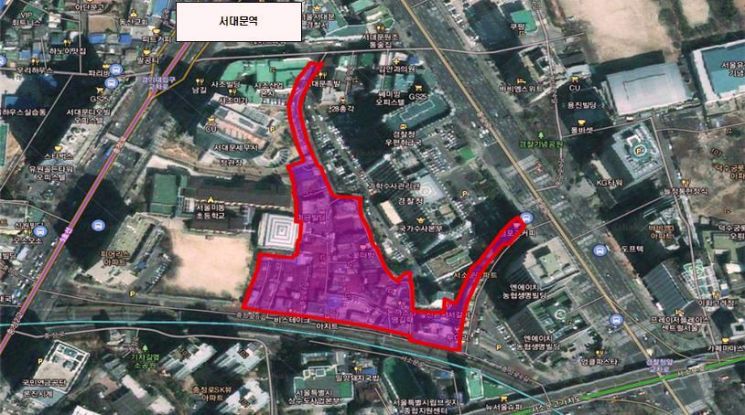 Seodaemun Station South Seodaemun-gu Migeun-dong Urban Public Housing Complex Project (Transit-Oriented Development) Zone Map
Seodaemun-gu (Mayor Moon Seok-jin) will hold an online residents’ briefing session from 10 to 11 a.m. on the 10th regarding the selection of the Migeun-dong area south of Seodaemun Station as a candidate site for the 6th pilot project of the Ministry of Land, Infrastructure and Transport’s ‘Urban Public Housing Complex Project.’
Earlier, on the 4th of last month, the Ministry of Land, Infrastructure and Transport announced plans to develop the area into a self-sufficient hub by high-density development combining residential and commercial functions to strengthen its role as a station area and urban center.
Since February this year, Seodaemun-gu has continuously negotiated to have the Ministry select the Migeun-dong 20-1 area as a development candidate site following the Ministry’s announcement of the ‘Public-led 3080 Plus Metropolitan Housing Supply Expansion Plan.’
Especially, the Seosomun Apartment included in the target area, built in 1971 on a riverbed and in need of maintenance, cannot be rebuilt under current laws, so Seodaemun-gu and Seoul city have been seeking maintenance plans.
The ‘Urban Public Housing Complex Project’ involves public designation of sites where private development is difficult, securing land, and simultaneously creating quality housing and urban function restructuring hubs.
The project is implemented publicly but encourages participation of various entities through public-private cooperation and joint implementation, providing support by establishing suitable project structures through deregulation.
After candidate site selection, the process includes residents’ briefing, district designation proposal, public inspection announcement, district designation notification, contractor selection, land acquisition, complex project plan establishment, approval, construction, and occupancy.
Seodaemun-gu expects the project to be transparent and swiftly promoted through public leadership and plans to actively support administrative matters, briefing locations, and publicity at each stage.
This residents’ briefing session is part of these efforts. Since the district designation requires consent from more than two-thirds of landowners and more than half of the land area, residents’ understanding of policies and projects is essential.
At the briefing, an official from LH Korea Land and Housing Corporation will explain the policy direction and system of the Urban Public Housing Complex Project to residents via YouTube live streaming. Moon Seok-jin, Mayor of Seodaemun-gu, said, “I hope many people will be interested and participate in the online briefing session to help residents understand, resolve doubts, and collect various opinions.”
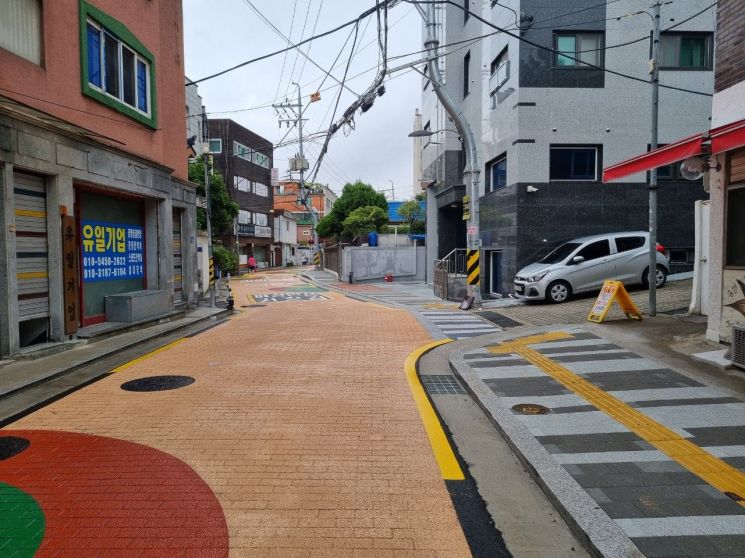
Nowon-gu (Mayor Oh Seung-rok) announced that it has improved the old and narrow passageways around Wolgye Station and Induk University into safe and walkable pedestrian environments.
The maintenance target, Choansan-ro 2-gil, is a gateway from Wolgye Station on Subway Line 1 to residential areas and apartment complexes, located between Induk University, Induk Science and Technology High School, and Yeonji Elementary School, used as a school route by students.
Despite being a child protection zone and a women’s safe return home path, the area lacked clear distinction between road and sidewalk, posing high accident risks. Residents and students continuously raised inconvenience, making environmental improvement urgent.
Accordingly, the district undertook a pedestrian environment improvement project to secure safety for local residents and vulnerable pedestrians. From February, surveys were conducted for construction, and advice was received from traffic and urban aesthetics experts. Residents’ opinions were actively reflected in the design through surveys and hearings before construction began.
First, to solve the problem of impossible sidewalk installation due to narrow and irregular road width, new road boundary surveys were conducted. Through close consultation with residents, road width was secured, and a total of 270 meters of sidewalks for pedestrians were newly installed.
Old roads and drainage facilities were also refurbished. Road damage issues were improved to make the road neat and even, and colored block pavement was used to raise drivers’ awareness while creating a bright and cheerful atmosphere.
Additionally, Nowon-gu is conducting various projects to build pedestrian-friendly environments. On Seokgye-ro, connecting Gwangwoon University Station and Seokgye Station, a street park integrating green spaces and street paths was created as a walking-friendly path.
Also, the ‘Gwangwoon University Station Area Pedestrian Environment Improvement Project’ is underway on the south side of Gwangwoon University Station. Upon completion, pedestrian paths around the three subway stations in Wolgye-dong will be fully improved, enabling safer passage.
Oh Seung-rok, Mayor of Nowon-gu, said, “I am glad that this pedestrian environment improvement project has secured safety for residents and students,” adding, “We will continue efforts to create a safe and clean urban environment by paying attention to every part of the region.”
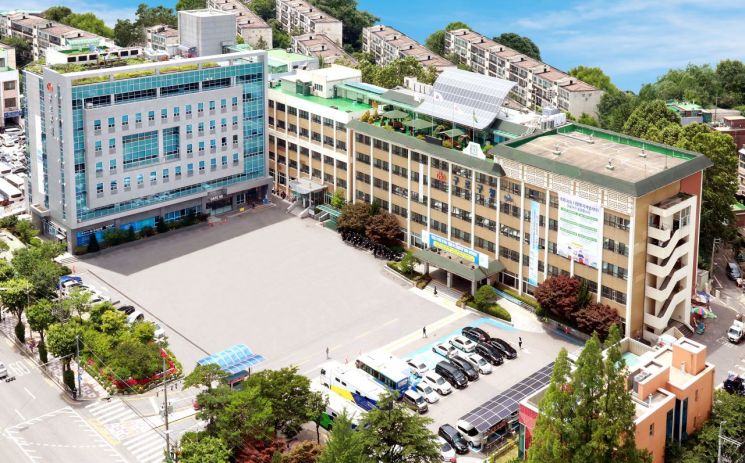
Guro-gu (Mayor Lee Seong) will support small business owners in the district with signboard replacement and installation costs.
Guro-gu announced on the 1st that it will carry out the ‘Outdoor Advertising Consumption Coupon Support Project’ to help small business owners and outdoor advertising operators struggling due to COVID-19.
The ‘Outdoor Advertising Consumption Coupon Support Project’ supports costs when replacing illegal or old signboards or producing and installing new ones before opening through outdoor advertising operators registered in Guro-gu.
The support amount is up to 2 million KRW per business, and costs exceeding the support amount or value-added tax are borne by the business.
Those wishing to apply can visit the Construction Management Division of the district office with application documents by the 17th of this month. For details such as application documents and excluded businesses, refer to the district office website’s news section.
Guro-gu will select 60 businesses eligible for support through the district’s outdoor advertising review committee and individually notify the results within this month. Selected businesses must complete signboard replacement and installation by November.
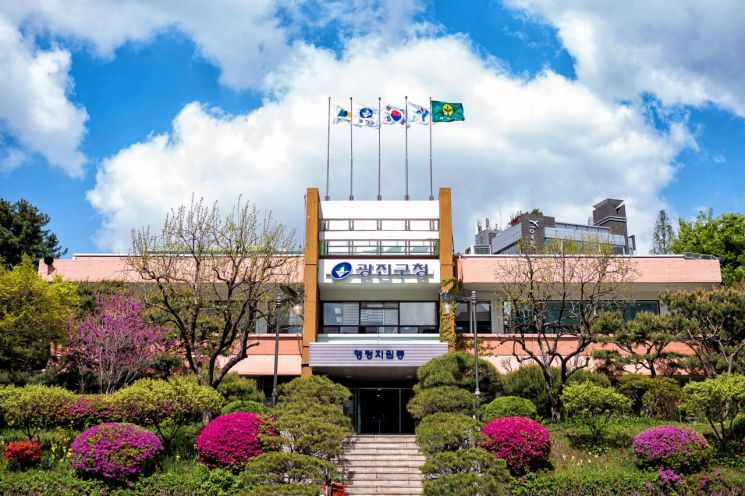
Gwangjin-gu (Mayor Kim Sun-gap) will provide additional employment incentives to unemployed youth struggling with job hunting due to the prolonged COVID-19 pandemic.
Eligible applicants are residents of Gwangjin-gu aged 19 to 34, unemployed within two years after graduation, and not enrolled in employment insurance. Those enrolled in employment insurance but working less than 26 hours per week or for less than three months in short-term jobs can also apply. However, university (graduate) students, students on leave, unemployment benefit recipients, and participants in the Ministry of Employment and Labor’s 2020 Youth Job Search Support Fund (2021 National Employment System Type 1) are excluded.
Especially, as in the first payment, the district includes those who exceeded two years after graduation due to military service by deducting military service period from the calculation period as a ‘local government autonomous support item’.
The application period is from September 1 to October 29, and applications can be made online through the Seoul Youth Portal. Detailed eligibility can be checked on the Gwangjin-gu website and Seoul Youth Portal.
Selected recipients will receive 500,000 KRW in Gwangjin Love Gift Certificates on their registered mobile phones, which can be used at Zero Pay affiliated stores in Gwangjin-gu after registering a PIN number.
Kim Sun-gap, Mayor of Gwangjin-gu, said, “This additional employment incentive for unemployed youth is fully funded by the district, and I hope it supports youth job hunting and revitalizes the local economy,” adding, “Previously, in April, the district paid employment incentives to 2,243 unemployed youth.”
© The Asia Business Daily(www.asiae.co.kr). All rights reserved.
![Clutching a Stolen Dior Bag, Saying "I Hate Being Poor but Real"... The Grotesque Con of a "Human Knockoff" [Slate]](https://cwcontent.asiae.co.kr/asiaresize/183/2026021902243444107_1771435474.jpg)


















