Some Members of the Liberal Democratic Party Propose Prime Minister Suga's Resignation
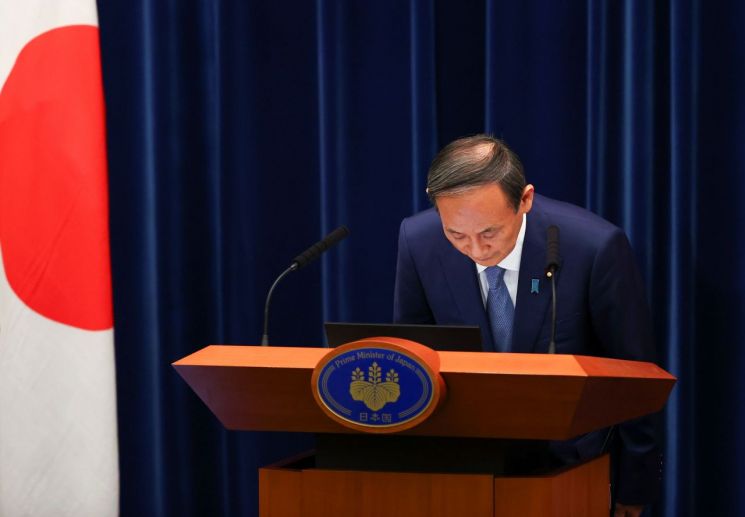
[Asia Economy Reporter Kwon Jae-hee] Japanese Prime Minister Yoshihide Suga has been plunged into a political crisis after consecutive defeats in elections. Within the ruling Liberal Democratic Party (LDP), voices demanding Suga's resignation have emerged, disrupting his plans for re-election ahead of the general election.
According to the announcement by the Yokohama City Election Commission on the 23rd, in the mayoral election held the previous day, independent candidate Yamanaka Takeharu, recommended by the main opposition Constitutional Democratic Party, won with 33.6% of valid votes, totaling 506,392 votes.
Hachiro Okonogi, former Chairman of the National Public Safety Commission, who was fully supported by Prime Minister Suga, received only 21.6%, or 325,947 votes, and was defeated. This marks the LDP's effective loss in all eight elections contested between the ruling and opposition parties since Suga took office on September 16 last year.
The LDP nominated candidates in three gubernatorial elections ? Yamagata Prefecture (January 24), Chiba Prefecture (March 21), and Shizuoka Prefecture (June 20) ? but all were defeated.
In the April 25 by-election for the House of Councillors Nagano constituency and the re-election for the Hiroshima constituency, the party fielded candidates but failed to secure victories.
In the by-election for Hokkaido's 2nd district for the House of Representatives held on the same day, the party did not even nominate a candidate, resulting in a 'loss without contest.'
In the Tokyo Metropolitan Assembly election on the 4th of last month, the LDP regained the majority status but secured only 33 seats out of 127, marking the second-lowest number of seats in its history.
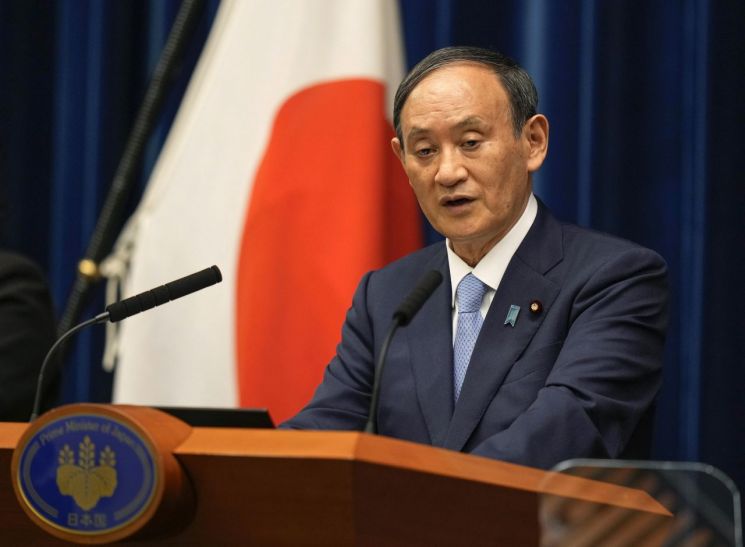
The election was held while Yuriko Koike, the de facto leader of the competing party 'Tokyoites First Party,' was hospitalized and unable to conduct full-scale campaigning, leading to evaluations that the LDP effectively lost.
With about two months remaining until the expiration of the House of Representatives term (October 21), the defeat of the candidate fully supported by Suga in this mayoral election has once again dealt a blow to his leadership.
Amid an explosive increase in COVID-19 cases and growing dissatisfaction with pandemic control policies, the Suga Cabinet's approval rating has fallen to around 30%, the lowest ever, creating a worsening situation.
Suga's term as LDP president ends at the end of next month, and doubts are growing about using him as the party's figurehead for the general election.
Kyodo News interpreted the election results, stating, "Okonogi, despite receiving full support from Prime Minister Suga, ended up attracting dissatisfaction toward the government. The Prime Minister's involvement backfired."
Within the LDP, the atmosphere is one of considerable shock. Party executives remained silent about the election results and even distanced themselves by saying, "He was not a candidate recommended or supported by the party."
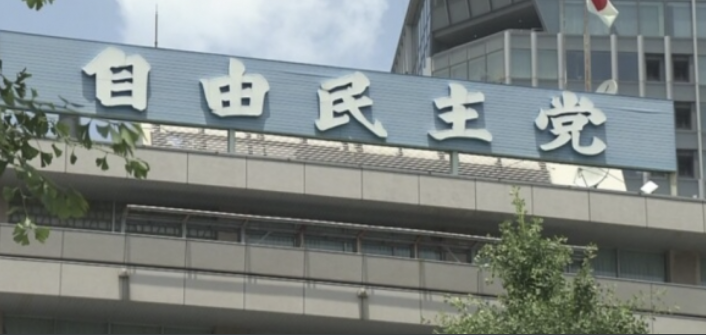
Among younger LDP lawmakers with weak local bases, voices calling for the Prime Minister to step down voluntarily are growing, Yomiuri Shimbun reported on the 23rd.
Previously, lawmakers who were easily elected during Shinzo Abe's administration, riding on Abe's popularity, are now anxious about whether they can retain their 'golden badges' in this fall's general election.
They fear that being affiliated with the LDP led by President Suga will have a negative impact in the general election.
Suga's administration's plan to secure re-election as party president uncontested and obtain a majority in the general election to extend his term as Prime Minister is increasingly drifting away from reality.
A former LDP cabinet member told the newspaper, "If uncontested, the LDP's image will deteriorate," and argued that "multiple candidates should compete."
Unlike a year ago when the Suga dominance theory was established early after Abe's resignation, this time several candidates are showing enthusiasm to challenge the party presidency election.
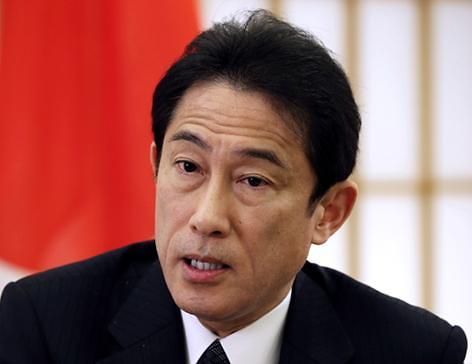
Although securing the 20 nominators is uncertain, Hakubun Shimomura, Chairman of the Policy Research Council, and Sanae Takaichi, former Minister for Internal Affairs and Communications, have expressed their intention to run.
Among them, Fumio Kishida, former Foreign Minister who placed second to Suga in last year's party presidential election, is reportedly coordinating to run again, Sankei Shimbun reported on the 23rd.
Kishida is a veteran nine-term member of the House of Representatives with extensive cabinet experience, including Foreign Minister, Defense Minister, and Minister in charge of Okinawa Affairs (Minister of State), and has also served as Chairman of the Policy Research Council, one of the party's three key positions.
As the faction leader of about 40 Diet members, Kishida is expected to have no problem securing nominators. If he runs, a two-way race with Suga could unfold.
Suga is considering dissolving the House of Representatives in early October if he succeeds in his re-election bid, but Yomiuri predicts that voices within the party saying "We cannot fight the House of Representatives election with Prime Minister Suga" will inevitably spread.
© The Asia Business Daily(www.asiae.co.kr). All rights reserved.



















