The Bell Leaving Our Side and the Bell That Returned Again
[Asia Economy Reporter Jin-kyung Lee] 'Extinction: The complete disappearance of a species.' Due to environmental pollution caused by humans and global warming, animal habitats are being destroyed, and indiscriminate hunting and capturing to satisfy human greed have put many animals at risk of extinction every year. Even at this very moment, many animals are disappearing from the Earth. Let us take a look at rare animals facing extinction, feel the beauty of life that nature provides, and take time to reflect on how many precious lives are lost due to human selfishness and greed.
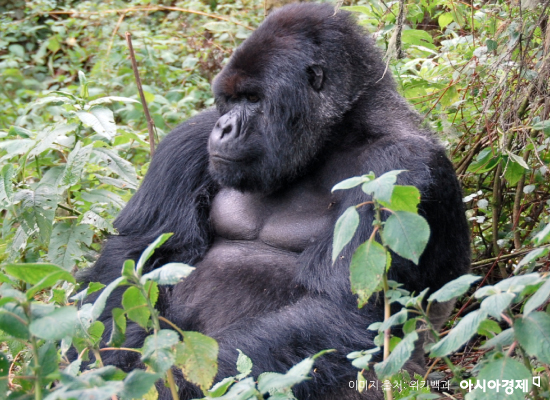
1. Mountain Gorilla
The Mountain Gorilla, known to share over 90% of its genes with humans, has seen its population drastically decline due to poaching and deforestation destroying its habitat. Apart from about 300 individuals protected in national parks, only around 400 remain. Despite their large size and intimidating appearance, they are known to be gentle and timid if not provoked and primarily herbivorous.
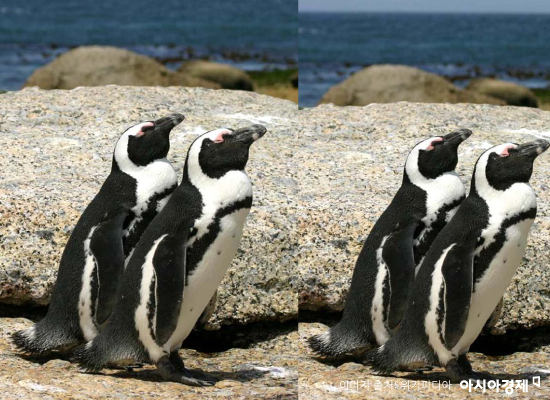
2. African Penguin
The African Penguin, native to South Africa, is critically endangered worldwide. Rising sea temperatures have increased salinity, reducing plankton numbers and thus the penguins' food supply. Due to global warming and environmental pollution, their population has decreased by 60%. The South African Seabird Conservation Foundation is currently working to preserve the penguin population at risk of extinction.
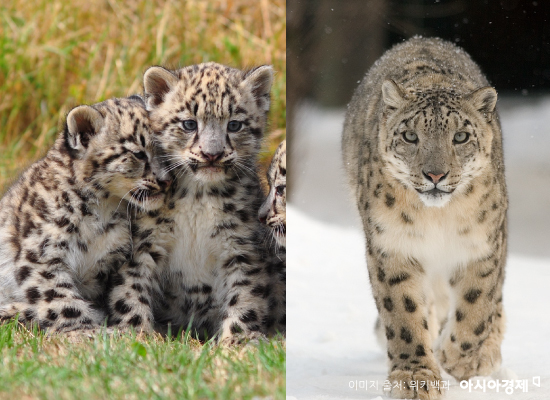
3. Snow Leopard
Also called the 'Gray Leopard' or 'Snow Panther,' the Snow Leopard primarily inhabits alpine meadows and rocky areas at altitudes of 3,000 to 4,000 meters. Its beautiful fur and appearance have made it a target of indiscriminate fur hunting, and climate change caused by global warming has placed it at risk of extinction. Compared to 16 years ago, its population has decreased to one-fifth, with approximately 4,000 to 6,000 individuals remaining.
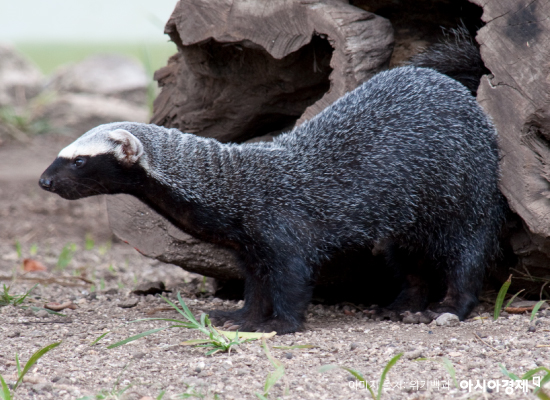
4. Grison
Distributed from Central America to northern South America, Grisons are now found mainly in northern Panama due to tropical rainforest destruction and overhunting, with few sightings elsewhere. Commonly called 'Grison Weasel' or 'Iltis Weasel,' they have slender, elongated bodies with short tails and legs. Their claws are sharp and curved but cannot be retracted. Nocturnal by nature, they inhabit lowlands such as tropical rainforests, lakes, rivers, and streams, serving as the sole predator controlling rodent populations.
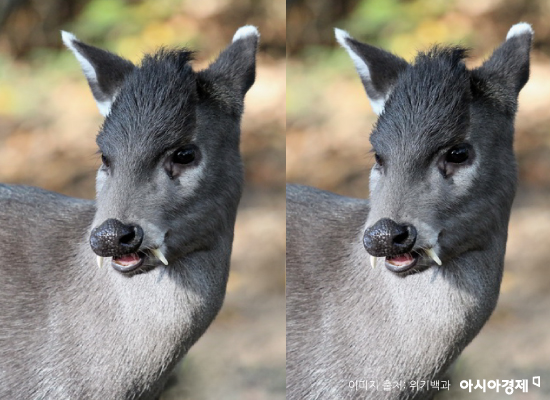
5. Solgi Head Deer
The Solgi Head Deer, whose population is declining due to hunting, inhabits mountainous forests in Tibet, China, and Myanmar. As its name suggests, it has long dark brown bangs that can grow up to 17 cm. When threatened, it emits cries and moves swiftly by leaping like a cat. Except during mating season, it mostly lives alone. Males tend to be more aggressive as they defend their territory.
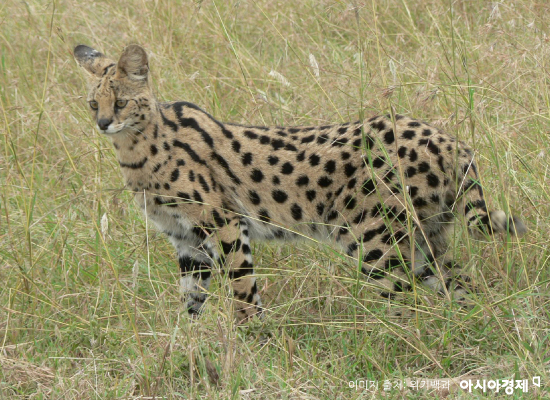
6. Serval
Servals inhabit savannas, riverbanks, reed beds, wetlands, and Mediterranean forests and are also found in northern Sahara, Morocco, and northern Algeria. Habitat destruction and overhunting for fur and as pets have placed them at risk of extinction. They are mostly solitary and have long legs relative to their body size, enabling powerful leaps. They can run at speeds up to 80 km/h and jump horizontally up to 3.6 meters. Their aerial leaps can reach 2 to 3 meters, allowing them to hunt flying birds.
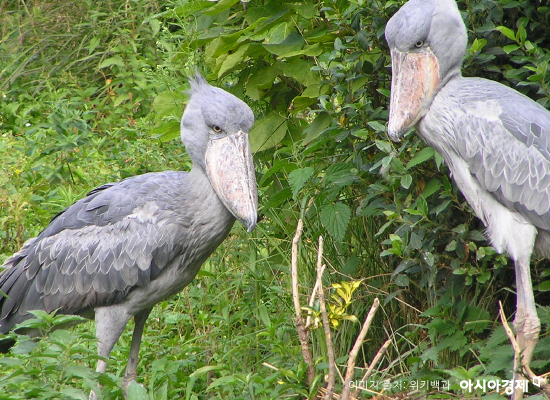
7. Shoebill
Inhabiting rivers and swamps in East and Central Africa, the Shoebill feeds on amphibians and reptiles, as well as small birds and rodents. Habitat destruction of wetlands and human hunting have classified it as a 'vulnerable species.' Its distinctive square-shaped bill resembles a sturdy wooden clog, earning it the nicknames 'Clog Stork' and 'Shuvill.' Outside the breeding season, it mostly lives alone. Unlike other birds, it lacks vocal cords and cannot cry but communicates by clapping its bill. Approximately 8,000 individuals remain in the wild.
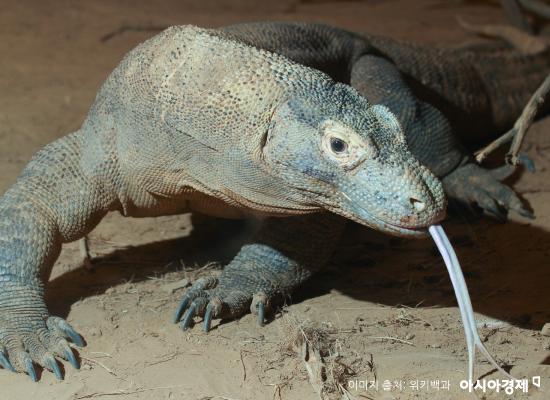
8. Komodo Dragon
Resembling a crocodile and seeming like a descendant of dinosaurs, the Komodo Dragon has about 2,932 individuals left in Komodo National Park, Indonesia. Its skin is covered with rough scales, and it boasts an impressive size averaging 3 meters in length and around 100 kg in weight. Juveniles live in trees to avoid predators but settle on the ground after about eight months, preying on deer, wild boars, water buffalo, and scavenging carcasses. Resistant to bacteria, its saliva contains many toxic bacteria, causing sepsis and gradual death in bitten animals. Once heavily used in bacterial experiments by humans, it became endangered.
9. Sumatran Rhinoceros
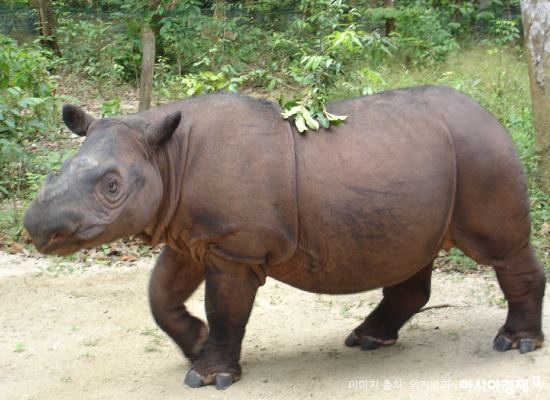
Similar to the Javan Rhinoceros but the only Asian rhino species with two horns, the Sumatran Rhinoceros is the smallest among existing rhinos and has notably long hair, resembling the extinct woolly rhinoceros. The wild population is about 21 individuals, with a 70% decline over the past 20 years due to horn poaching and habitat destruction. Females have difficulty reproducing if they do not mate regularly, as tumors develop in the uterus. The last female died in 2019, marking extinction in Malaysia.
10. Belida Fish
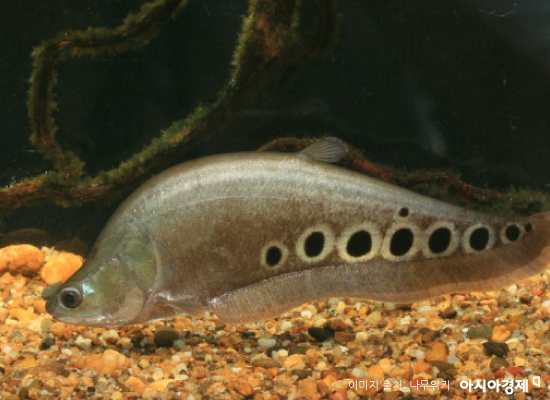
Commonly found in the Belida River in southern Sumatra, this fish is also called 'Knife Fish' due to its resemblance to the shape of knives used by Native Americans. Hindu mythology tells that it was born like a knife to kill demons. Its numbers have drastically declined due to increased use for food and ornamental purposes, placing it at risk of extinction. To protect the population, dishes traditionally made with Belida fish are now being prepared with other fish species.
1. Guadalupe Fur Seal
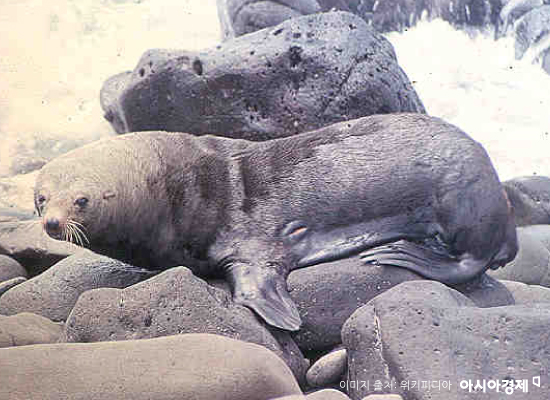
Native to the coast of Mexico, this fur seal was presumed extinct in 1892 due to indiscriminate overhunting by Russian and American hunters seeking its fur. In the 20th century, two fishermen discovered a small habitat in 1926 and attempted to catch and sell the seals but failed. After one died and the other revealed the habitat before passing away in 1950, it became known that the species was not extinct. Currently, the population is estimated at around 15,000 individuals.
2. Magenta Fairy Kingfisher
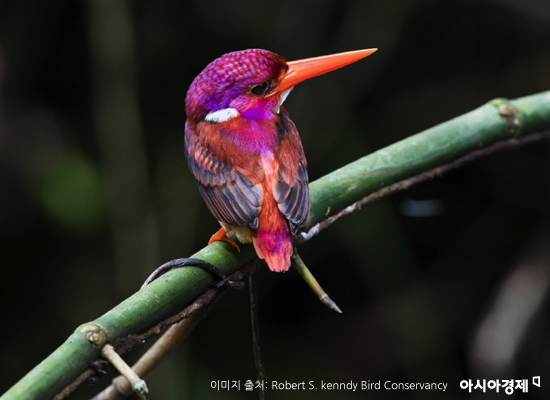
This bird, native to the Philippines, has vibrant feathers mixing magenta, blue, and orange colors. After its discovery in 1880, it was not seen for a long time and was believed extinct. However, recently, due to the COVID-19 pandemic reducing human presence, it has reappeared in its habitat after more than 100 years.
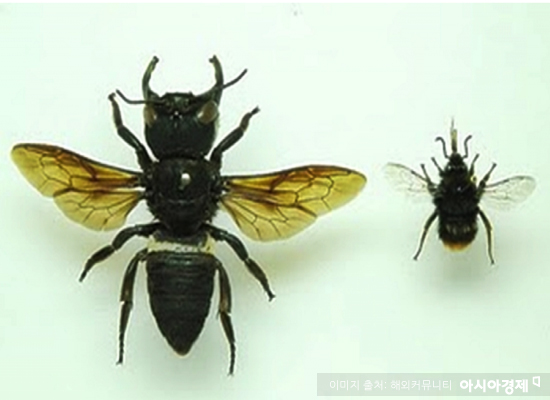
3. Wallace's Giant Bee
The world's largest bee species, named after British evolutionary biologist Alfred Russel Wallace who first discovered it in Indonesia. Females can grow up to about 4 cm in body length and have wings about 6.35 cm long. After being unseen since its last sighting in 1981 and presumed extinct, a female was recently found on an island in the Maluku Islands, Indonesia.
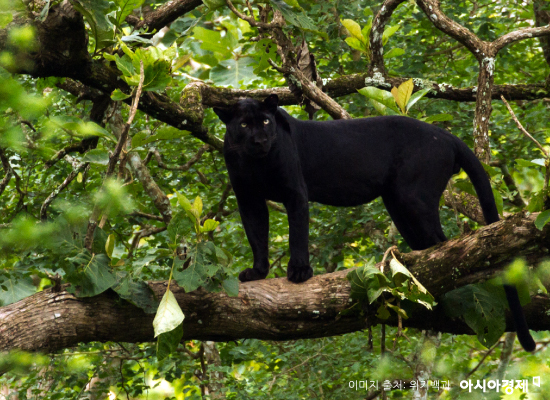
4. Sri Lankan Black Panther
Among the eight black panther subspecies worldwide, the Sri Lankan Black Panther is uniquely valued for its color mutation and rarity. It was believed extinct until recently when the Sri Lankan Department of Wildlife captured footage of a black panther family on camera traps, ensuring it is no longer just a creature of history. The Sri Lankan government has since increased patrols to prevent poaching of this protected species.
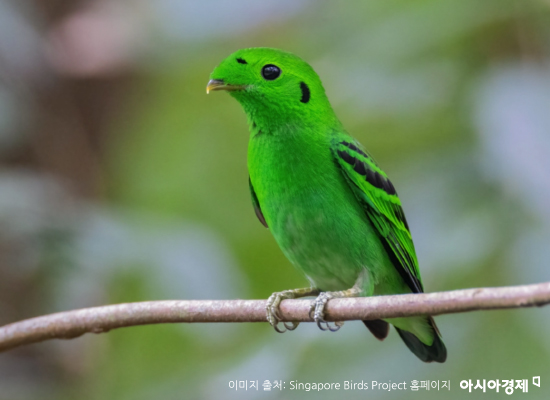
5. Green Broadbill
Officially declared extinct in Singapore in 1941, the Green Broadbill is known for its beautiful emerald-green feathers. After 70 years, the COVID-19 pandemic reduced human activity in its habitat, and the Green Broadbill has reappeared.
© The Asia Business Daily(www.asiae.co.kr). All rights reserved.



















