[Seoul District News] Yu Deok-yeol Dongdaemun-gu Mayor, Choi Hong-yeon Deputy Mayor and all staff working at screening clinics... Yongsan-gu expands support for closed small business owners... Gwangjin-gu forms and operates ‘Corona Coexistence National Support Fund TF’... Seongbuk-gu provides additional 100,000 KRW support to 21,000 low-income recipients... ‘Gwangjin-gu Nori OlimPICK Online Contest’ works exhibited online... Yangcheon-gu holds August non-face-to-face walking challenge ‘Sallang Sallang Bammasil’... Guro-gu ‘Smart City Guro’ idea contest.
[Asia Economy Reporter Jong-il Park]
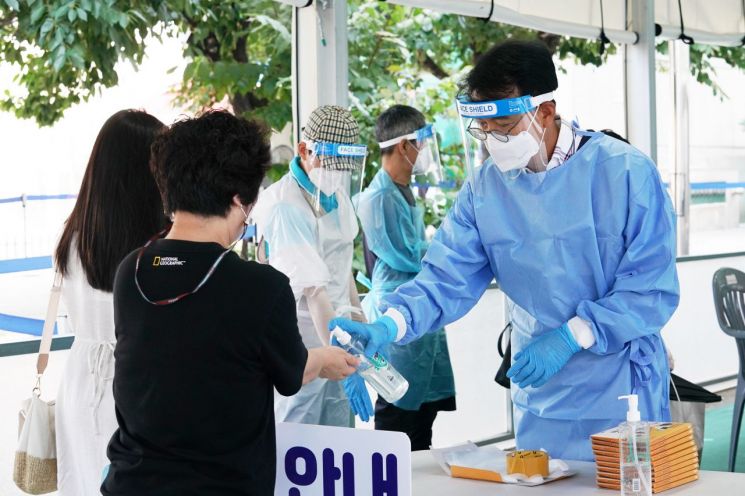 Deputy Mayor Choi Hong-yeon has been working at the temporary screening clinic in Cheongnyangni Station Plaza since 3 p.m. on the 9th.
Yoo Deok-yeol, Dongdaemun District Mayor, Vice Mayor Choi Hong-yeon, and All Staff Working at Screening Clinics
Starting this month, all employees from all departments of Dongdaemun District Office, including Mayor Yoo Deok-yeol, and all 14 neighborhood community centers are supporting work at Dongdaemun District Public Health Center’s screening clinic, temporary screening testing sites at Cheongnyangni Station Plaza, Jangan Neighborhood Park, and Hwigyeo-ap Station Plaza.
Dongdaemun District (Mayor Yoo Deok-yeol) has assigned all employees to work shifts at screening clinics to efficiently and fairly allocate personnel, as the prolonged COVID-19 pandemic and ongoing heatwaves have increased the burden on staff working at screening (testing) sites.
Accordingly, Mayor Yoo, Vice Mayor Choi Hong-yeon, and district executives are all participating in support work without exception. Mayor Yoo plans to work at the Cheongnyangni Station Plaza temporary screening testing site from 8 a.m. on the 14th. Earlier, Vice Mayor Choi worked at the same site from 3 p.m. on the 9th.
The district currently operates the Dongdaemun District Public Health Center screening clinic from 9 a.m. to 9 p.m. on weekdays, and from 9 a.m. to 6 p.m. on weekends and holidays. The temporary screening testing sites at Cheongnyangni Station Plaza, Jangan Neighborhood Park, and Hwigyeo-ap Station Plaza operate from 9 a.m. to 6 p.m. on weekdays, and from 9 a.m. to 1 p.m. on weekends and holidays. However, due to the heatwave, all four locations suspend operations from 1 p.m. to 3 p.m.
Meanwhile, as a heatwave countermeasure for those waiting for COVID-19 tests despite the heat, the district has installed water refrigerators and provides bottled water at the four screening (testing) sites.
Vice Mayor Choi Hong-yeon, who supported work at the Cheongnyangni Station Plaza temporary screening testing site on the 9th, said, “As COVID-19 prolongs and confirmed cases continue to increase, our district recently added one more temporary screening testing site at Hwigyeo-ap Station Plaza to proactively respond to testing. Including the Dongdaemun District Public Health Center screening clinic, we now operate a total of four screening (testing) sites, which requires a significant number of personnel.”
He added, “Due to the prolonged COVID-19 situation, all staff are increasingly fatigued from tasks such as self-quarantine, active monitoring, and epidemiological investigations. However, COVID-19 response is not only the health center’s responsibility, so all employees, including district executives, actively participate in support work at screening (testing) sites. Our district will do its best in quarantine efforts until the COVID-19 situation ends.”
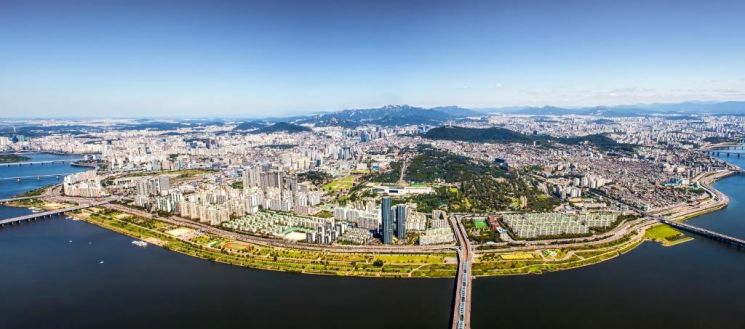
Yongsan District Expands Support for Closed Small Business Owners
Yongsan District (Mayor Seong Chang-hyun) is expanding support for small business owners who have closed and extending the application period.
This is to minimize cases where small business owners who closed due to gathering bans and business restrictions fail to apply for support funds.
The district has expanded the support target to businesses that closed between March 22, 2020, and June 6, 2021, and that close by August 31.
The application deadline has also been extended from July 30 to the end of this month.
The support target is small business owners in gathering ban or business restriction industries whose business location was in Yongsan District before closure as of the application date.
Those who operated their business for at least 90 days before closure (including opening date, excluding closing date) are eligible to apply. Support funds are paid within 10 days after application.
The small business criteria are businesses with 2020 sales between 1 billion and 12 billion KRW, and 5 to fewer than 10 regular employees in 2020 (less than 10 employees in mining, manufacturing, construction, transportation; less than 5 in other sectors).
Businesses located within facilities subject to gathering bans or business restrictions are also considered to have the same measures applied and are supported.
Businesses that have not registered closure, have not registered business, have not reported sales to the National Tax Service, non-profit organizations, associations without legal personality, and businesses violating administrative orders on gathering bans or business restrictions are not eligible.
Small business owners wishing to apply should visit the relevant department by industry and submit an application form, ID, bankbook copy, closure certificate, sales report, and documents verifying small business status.
After review by the department, 500,000 KRW will be transferred to the representative’s account as per the business registration certificate. In the case of co-representatives, each representative can apply and receive support separately. If co-representatives are family members (spouse, direct lineal non-descendants), only one person is supported.
The Health and Hygiene Division handles entertainment establishments (five types: entertainment, karaoke, emotional pubs, hunting pubs, colatec), hold’em pubs, restaurants and cafes, beauty salons, bathhouses, and lodging facilities. The Culture and Sports Division handles arcades, multi-rooms, PC rooms, cinemas, karaoke rooms, party rooms, amusement parks, water parks, indoor standing concert halls, indoor sports facilities, enclosed outdoor screen golf courses, winter sports facilities, and lodging facilities (tourist hotels, foreign tourist city guesthouses). The Talent Development Division handles academies, tutoring centers, reading rooms, and study cafes. The Job and Economy Division handles vocational training institutions, direct sales promotion centers, and general retail stores (over 300㎡). The Health and Medical Division handles medical device free trial rooms.
Yongsan District Mayor Seong Chang-hyun said, “We hope that all small business owners who have closed receive support without omission. We will find all possible support measures for our small business owners in Yongsan District who are diligently participating in social distancing despite difficult circumstances.”
In addition to providing support funds for closed small business owners, the district plans to actively assist local small businesses through ▲200 billion KRW scale interest-free loans for small businesses ▲156 billion KRW special credit guarantees ▲70 billion KRW loans for small and youth enterprises ▲alley market revitalization support projects ▲smart pilot store technical support ▲Star Shop project ▲Yongsan-style Good Landlord project.
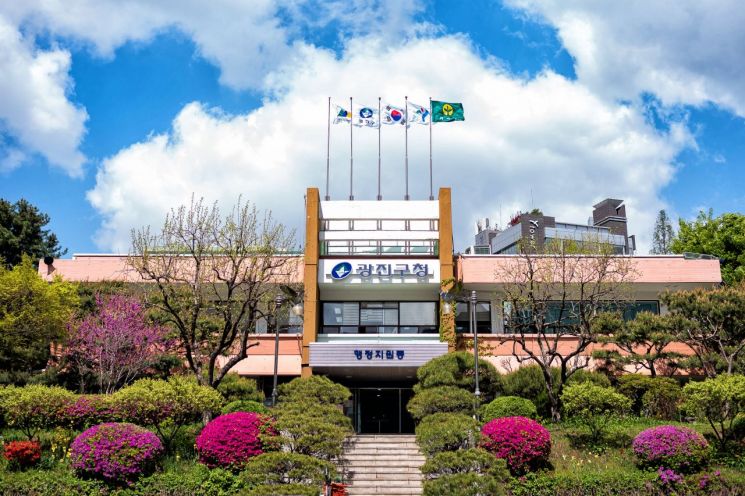
Gwangjin District Forms and Operates ‘COVID-19 Coexistence National Support Fund TF’
Gwangjin District (Mayor Kim Seon-gap) has formed and is operating the ‘COVID-19 Coexistence National Support Fund Task Force (TF).’
This TF was planned due to the need for a dedicated organization to ensure stable and systematic payment ahead of the government’s 5th disaster relief fund distribution.
The organization is led by the Vice Mayor as the task force leader, with the Director of Welfare as deputy leader, and the Welfare Policy Division Chief as the overall TF team leader. The teams handling practical work are the Operation Team, Payment Decision Team, Personnel Management Team, and Neighborhood Support Team. Each neighborhood chief serves as the promotion team leader, overseeing application, reception, and administrative support.
The district plans to begin preparations immediately after the government’s plan is finalized mid-month, including pre-education for staff. Applications will start at the end of August, with payments completed by September 17.
Once payments begin in earnest, a dedicated call center will operate, and reception desks will be designated by neighborhood to promptly address residents’ questions and requests.
Gwangjin District Mayor Kim Seon-gap said, “Reflecting the high interest of residents in the 5th disaster relief fund payment, we formed the TF to ensure swift and accurate work. We will do our best to proceed with payments according to detailed plans and schedules.”
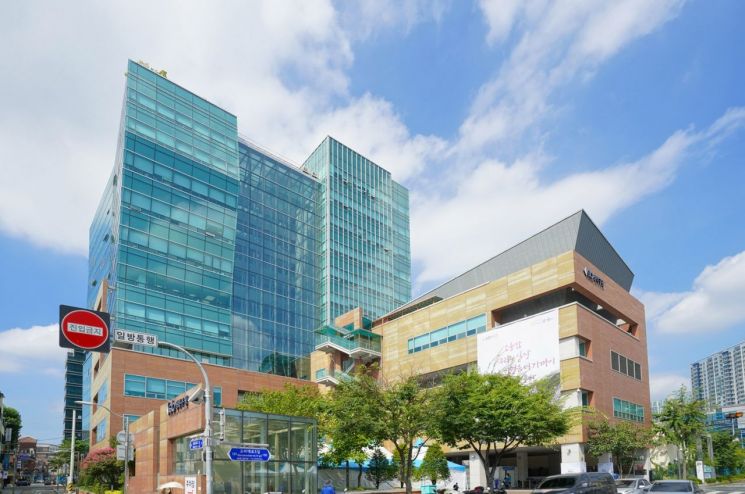
Seongbuk District Provides Additional 100,000 KRW National Support Fund to Over 21,000 Low-Income Residents
Seongbuk District (Mayor Lee Seung-ro) will provide an additional national support fund of 100,000 KRW per person to over 21,000 low-income residents to alleviate household burdens caused by the prolonged COVID-19 pandemic.
The additional national support fund for low-income groups is paid once per person to household representatives of basic livelihood security recipients, near-poverty groups, and legally single-parent families receiving child-rearing support. This is separate from the government’s 5th disaster relief fund, which supports the bottom 88% income bracket.
For those receiving monthly welfare benefits with verified accounts, the fund will be paid in a lump sum on August 24 to the existing welfare benefit accounts without separate application. Some households, such as near-poverty groups not receiving cash benefits, must apply at neighborhood community centers. Payments for those qualified before August 31, 2021, will be completed by September 15.
Seongbuk District Mayor Lee Seung-ro said, “We hope this helps stabilize the lives of low-income residents economically struggling due to the prolonged COVID-19. We will continue to do our best in policy implementation for neighbors in need.”
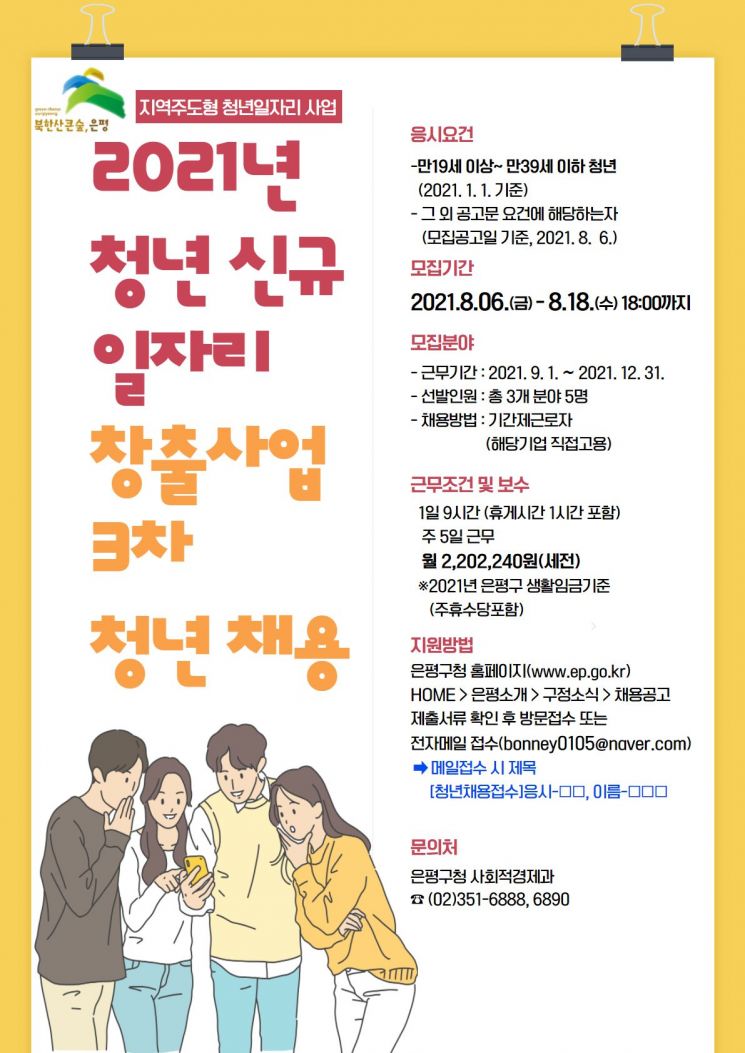
Eunpyeong District Announces 3rd Public Recruitment for 2021 Local Government-Led Youth Jobs
Eunpyeong District (Mayor Kim Mi-kyung) is conducting the 3rd public recruitment for the ‘2021 Ministry of the Interior and Safety Local Government-Led Youth Jobs’ program to alleviate youth unemployment. This recruitment will hire a total of five youths across three fields.
The ‘Ministry of the Interior and Safety Local Government-Led Youth Jobs Contest Project’ discovers and provides suitable local jobs for youth, supports economic activity and job competency enhancement, and plans various community-needed services as youth jobs. This year, it focuses on non-face-to-face and digital local jobs to prepare for changes in the employment environment due to COVID-19.
Applicants must be youth aged 19 to 39 as of January 1 this year, preferably residing in Eunpyeong District. They can choose their desired field considering their major and career aspirations.
Applications are accepted until 6 p.m. on the 18th via visit or email to the Social Economy Division of Eunpyeong District Office. Details are available on the district office website’s recruitment announcements.
Selected youths will work at local companies from September 1 to December 31. The salary is the 2021 Eunpyeong District living wage of 2,202,240 KRW per month, with support for four major social insurances and job competency training.
Eunpyeong District Mayor Kim Mi-kyung said, “I hope youths find jobs in their living area and build job competencies in various Eunpyeong projects to grow as community leaders with broad perspectives and experience.”
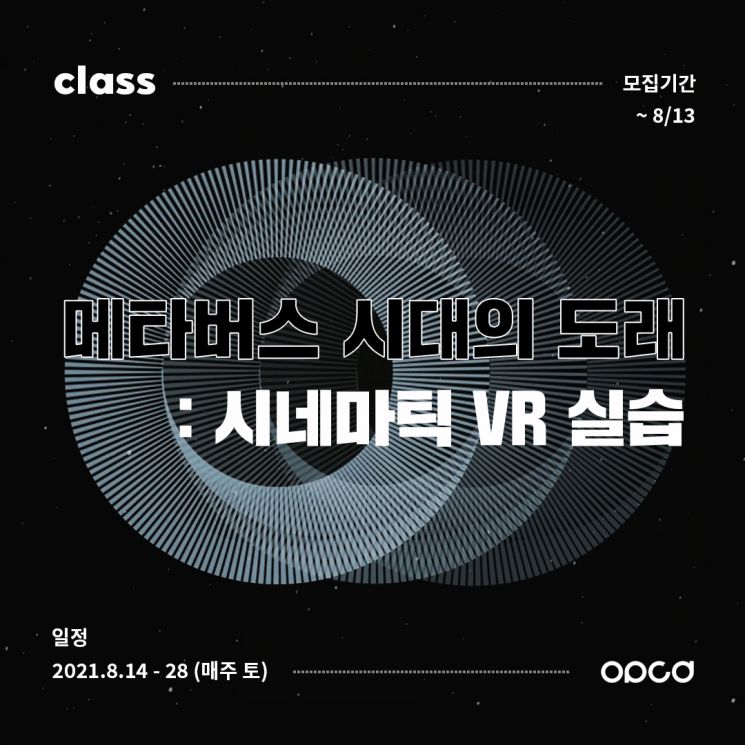
Dobong District Operates Cinematic VR Video Shooting and Editing Education Program
Dobong District (Mayor Lee Dong-jin) will operate a VR video shooting and editing education program using 360-degree cameras every Saturday from August 14 to August 26 to help residents easily understand and experience the concept of the metaverse (virtual reality).
The program, titled ‘Arrival of the Metaverse Era: Cinematic VR Practice’ class, consists of three sessions covering ▲the concept of the metaverse and the relationship between VR and AR ▲360-degree video shooting and editing practice themed on daily life ▲screening of completed VR videos.
Anyone interested in metaverse and VR video shooting among Dobong residents can participate. Applications are accepted from August 4 to August 13 via Google Forms or phone.
The first session will be held on August 14 from 2:30 p.m. for about two hours. Participants must bring a personal laptop with video editing software (Premiere Pro) installed.
The education will be conducted at Gong-eum and Ieum Studio, a youth planning and creative space for content in Dobong District. To prevent COVID-19 spread, offline attendance is minimized, and online education via Zoom is also provided. The class size is five offline and ten online participants, with selected individuals notified individually by text.
To prevent sudden absences, applicants must pay 15,000 KRW to a designated account upon application, which will be fully refunded upon completion of the entire course.
Dobong District Mayor Lee Dong-jin said, “I hope this program helps residents understand the upcoming metaverse era and easily approach the concept of VR and AR through VR video shooting practice.”
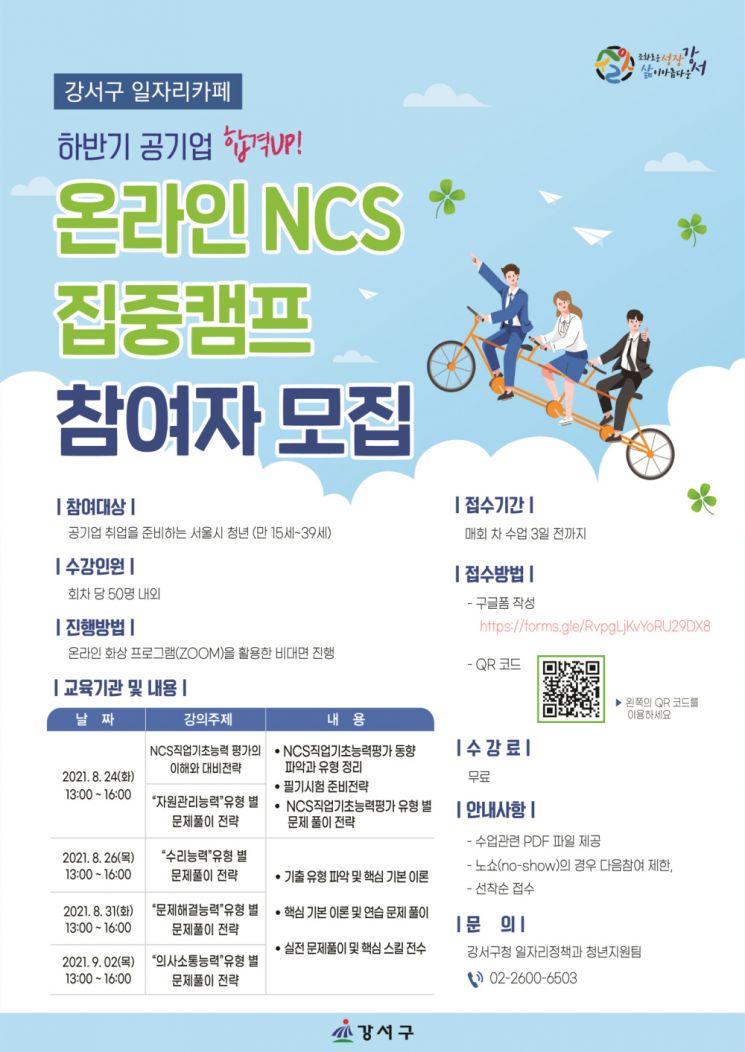
Gangseo District Operates ‘Online NCS (National Competency Standards) Intensive Camp’
Gangseo District, Seoul (Mayor Roh Hyun-song) is operating an ‘Online NCS (National Competency Standards) Intensive Camp’ for public enterprise job seekers.
NCS refers to the standardized knowledge, skills, and attitudes required to perform tasks in the field. As NCS basic competency evaluation has become essential in public enterprise recruitment exams, this camp is designed to help young people struggling with job preparation due to the prolonged COVID-19 pandemic.
The course will be conducted online via Zoom from August 24 to September 2, aligned with public enterprise recruitment schedules.
Lectures on ‘Problem-Solving Strategies by Type’ include ▲Resource Management Ability (August 24) ▲Numerical Ability (August 26) ▲Problem-Solving Ability (August 31) ▲Communication Ability (September 2).
The camp covers overall NCS exam trends, past questions by type, core theories, and problem-solving skills to thoroughly prepare participants.
Participants can choose to attend one weak type or multiple sessions (2 to 4).
Anyone aged 15 to 39 preparing for public enterprise employment can apply. Enrollment is on a first-come, first-served basis per session, and the course is free.
Application details and other information are available on the Gangseo District Office website under ‘Notices/News.’
The district also plans to operate VR and AI interview experience programs at the Gangseo Youth Space ‘Cheong-yeon’ starting September. ‘Cheong-yeon,’ established in Banghwa-dong in the first half of this year, is a 182㎡ facility with a book caf?, community space, lecture rooms, meeting rooms, and AI/VR interview experience rooms.
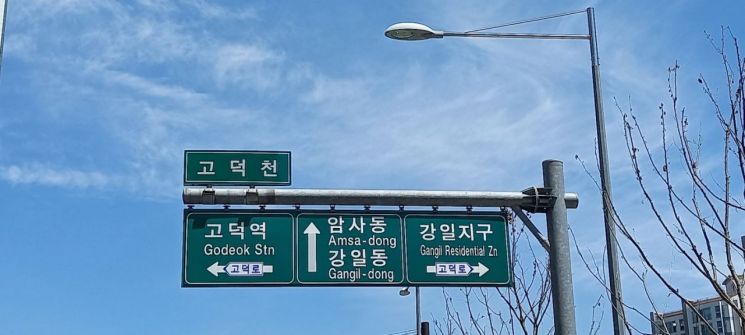
Gangdong District Renames Four Intersection Names
Gangdong District (Mayor Lee Jung-hoon) has renamed four intersections requiring changes due to environmental changes.
The renamed intersections include Jugong 6 Complex Intersection, two intersections in front of Miju Apartment, and two intersections with duplicated names causing location confusion: Sangil-dong Station Intersection (duplicated at Sangil-dong Station intersection) and Gangil 9·10 Complex Intersection (duplicated at Gangil 9·10 Complex intersection), totaling four intersections.
The names were changed as follows: Jugong 6 Complex Intersection to Godeok Jai Apartment Intersection; Miju Apartment Front Intersections to Howon Art Hall Intersection; Sangil-dong Station Intersection to Godeokcheon Intersection; Gangil 9·10 Complex Intersection to Gangsol Elementary School Intersection.
The renaming process involved public suggestions via the district website, a second preference survey based on the suggestions, and final approval by the district naming committee.
Road name signs have been updated, and detailed locations can be checked on the Gangdong District Office website (Gangdong Introduction → District News → Gangdong News).
A Gangdong District official said, “Renaming intersections to fit the surrounding environment improves location identification and gives intersections representative names. We will continue to review and rename other intersections as needed to create a more systematic traffic environment.”
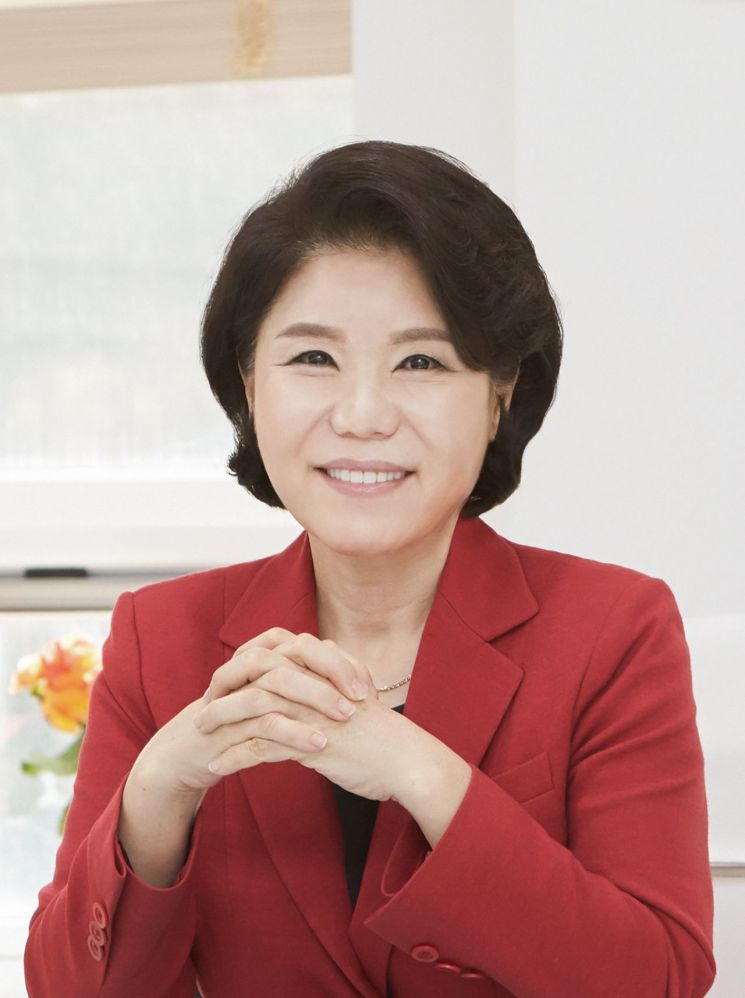
Seocho District Wins Grand Prize at the 1st Regional Culture Awards Hosted by the Ministry of Culture, Sports and Tourism
Seocho District (Mayor Cho Eun-hee) was honored as the only Seoul autonomous district to win the grand prize at the inaugural ‘Regional Culture Awards’ hosted by the Ministry of Culture, Sports and Tourism.
The ‘Regional Culture Awards,’ held for the first time this year, recognize local governments that achieve creative innovation in regional culture across three categories: cultural autonomy, cultural inclusion, and cultural innovation.
Seocho District won the grand prize in the resident autonomy category for its project ‘Sustainable Classical Music Culture City Created by the Local Community,’ receiving the Minister of Culture, Sports and Tourism Award and a 30 million KRW incentive fund.
Since 2018, Seocho has been designated as the nation’s first ‘Music Culture District,’ utilizing cultural infrastructure around the Seoul Arts Center to excel in areas such as ▲activating resident participation ▲improving related systems and expanding cultural finances ▲developing diverse cultural content.
The district was recognized for systematically managing cultural resources and actively communicating with the community through local culture stakeholder meetings and resident briefings, laying the foundation for ‘Cultural Arts City Seocho.’
In terms of resident participation, the district formed a local resident council called ‘Town Management’ in the Music Culture District to discuss local issues and develop and implement cultural projects, emphasizing communication with the community. Additionally, a vision committee composed of residents and experts managed landscape projects near the Music Culture District, including music design projects on road facilities such as the entrance to Sinjung Elementary School, manholes, and fences.
Since designation as a Music Culture District, the district has improved systems such as approving cultural district management plans and establishing cultural arts promotion funds, investing a total of 14.3 billion KRW in cultural arts within the district.
The district also runs various cultural content projects, including the nation’s first youth art-specialized exhibition space ‘Seoripul Youth Art Gallery’ utilizing an underground passage, the ‘Seoripul Youth Art Center’ as a central hub and performance space for nurturing the Music Culture District, and the ‘Seoripul Youth Art Town,’ a home for young artists.
The 30 million KRW prize will be used for the Music Culture District’s local tour program ‘Classic Instrument Exploration Life,’ a program for elementary students to experience instrument workshops and performance venues, with plans to expand to culturally marginalized children.
Seocho District Mayor Cho Eun-hee said, “Starting with the Seocho Music Culture District, where the community voices opinions and actively participates, we will do our best to spread culture and arts throughout Seocho.”
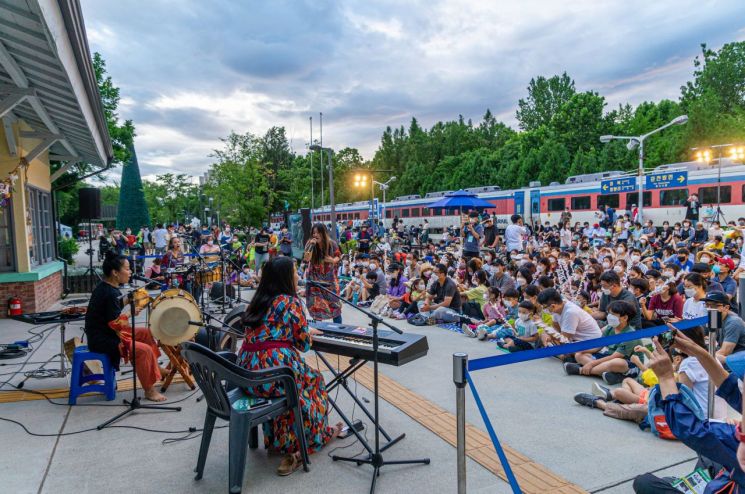
Nowon District Photo Contest Captures Attractive Moments of Nature, People, and City
Nowon District (Mayor Oh Seung-rok) is hosting the ‘Nowon Cyber Photo Contest 2021’ to share beautiful nature and memorable daily scenes of Nowon.
The contest themes are ▲‘Into Nature and Culture! Healing City Nowon’ and ▲‘Nowon Where Today Is Happy and Tomorrow Is Anticipated.’
Photos can depict various scenes and touching moments of Nowon’s nature, culture, welfare, education, festivals, or hopeful images of Nowon despite difficulties due to COVID-19.
The contest is open to all regardless of region or age. Photos must be taken in 2021, be JPG files between 5 and 10 MB, and each person can submit up to three entries.
Up to 16 works will be selected, with prizes of 1 million KRW for the grand prize (1 person), 500,000 KRW for excellence awards (2 people), 300,000 KRW for merit awards (3 people), and 100,000 KRW for honorable mentions (10 people).
Entries are accepted until October 31 via the district office website → Communication & Participation → Online Submission → ‘Cyber Photo Contest.’
Winners will be announced on November 30 on the district website and notified individually. Selected works will be featured on the website, various exhibitions, and used in promotional materials such as leaflets and posters.
For details, contact the district’s Media Public Relations Officer.
The Nowon Cyber Photo Contest, now in its 14th year, has received enthusiastic interest annually. Last year, 574 works were submitted, with the grand prize awarded to ‘Street Art Festival Scene’ (Lee Byung-moon), and excellence awards to ‘The Moonlight Is So Beautiful’ (Shin Yong-in) and ‘Girl and Gyeongchun Line’ (Kwon Young-han).
Nowon District Mayor Oh Seung-rok said, “Through the photo contest every year, we discover various aspects of Nowon that we had not noticed and want to share. We ask for your affectionate interest and active participation again this year.”
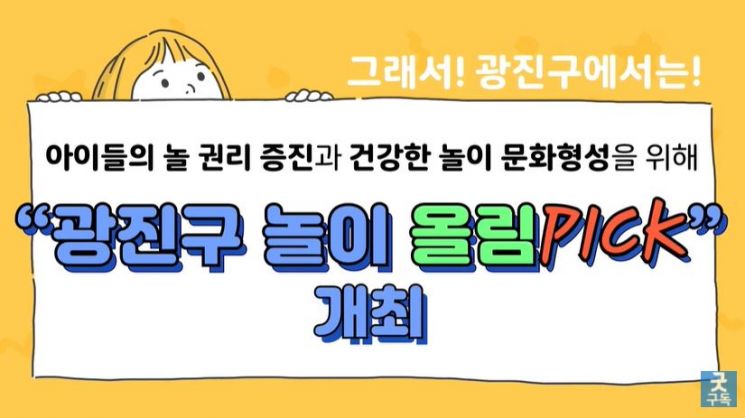
Gwangjin District ‘Play OlimPICK Online Contest’ Works Exhibited Online
Gwangjin District (Mayor Kim Seon-gap) is holding an online exhibition of works selected from the ‘Gwangjin District Play OlimPICK Online Contest’ held last May.
‘Gwangjin District Play OlimPICK’ was organized to promote children’s right to play and foster a healthy play culture.
The contest focused on content related to children’s play activities (videos, photos, drawings, etc.), with 72 participants submitting 110 works.
The district judged based on creativity, empathy, and expressiveness, selecting a total of 72 works for grand prize, excellence, merit, encouragement, and participation awards.
The selected works have been exhibited online on Gwangjin District’s YouTube channel since the 4th.
The online exhibition divides the 72 award-winning works into eight advantages of play, producing videos accessible to anyone.
Gwangjin District Mayor Kim Seon-gap said, “It is regrettable that children cannot freely run and experience various activities due to academic pressure and COVID-19. We will strive to create an environment where society and adults can support children’s healthy and happy growth.”

Yangcheon District Conducts August Non-Face-to-Face Walking Challenge ‘Gentle Night Stroll’
Yangcheon District (Mayor Kim Soo-young) is conducting an online non-face-to-face ‘Simple Walking’ challenge monthly with various themes to promote health among local residents and workers amid changes caused by COVID-19.
This August’s challenge, themed ‘Gentle Night Stroll,’ runs from August 8 to 28, taking place in seven ‘Walking Paths’ and local parks during evening hours to avoid summer heat. Participants must accumulate at least 60,000 steps over seven consecutive days during the challenge period.
The ‘Seven Walking Paths’ include short and long courses divided into Sinwol, Sinjeong, Mokdong areas, and mountain and stream types, focusing on local landmarks, and can be checked on the Kakao Channel ‘Simple Walking.’ For residents who find it difficult to access these paths, walking in nearby parks meeting the step goal is also recognized.
To participate, install the ‘WalkOn’ app, join the ‘Simple Walking in Seoul’ community for Yangcheon District, complete the challenge mission (taking photos in front of park landmarks), add ‘Simple Walking’ on Kakao Channel, and upload certification photos in the chat. Winners will receive mobile coupons via a draw, and survey respondents using QR codes will receive additional physical activity-related items.
Yangcheon District Mayor Kim Soo-young said, “We have promoted walking projects with fun themes monthly for residents restricted in exercise methods and environments due to COVID-19. We will expand participation to local workers as well to create an environment where diverse groups can practice healthy living daily.”
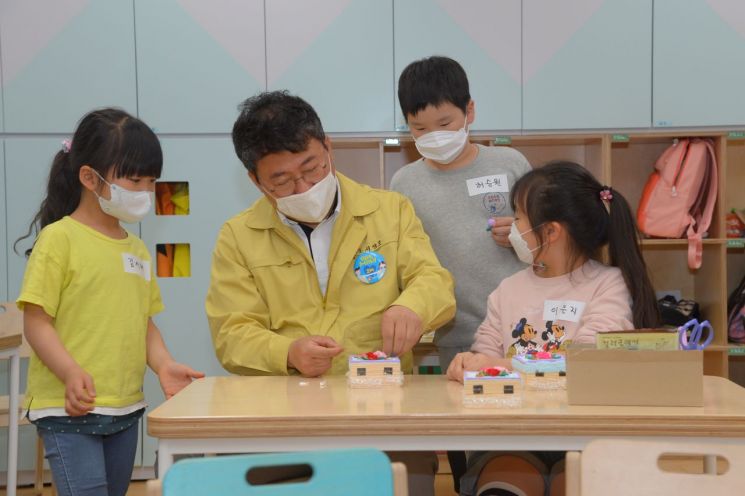
Local Government-Operated All-Day ‘Jung-gu Style Elementary Care’ Revisited
Jung-gu, Seoul (Mayor Seo Yang-ho) elementary care project is gaining attention following the Ministry of Education’s announcement of ‘Elementary Care Classroom Operation Improvement Plan.’
On the 4th, the Ministry of Education announced plans to improve the quality of elementary care classrooms and systematize care work, including expanding classrooms, extending care hours, and securing appropriate working hours for care staff.
As of September 2020, only 11.1% of elementary care classrooms nationwide operate after 5 p.m. The Ministry plans to extend care hours to 7 p.m., decide appropriate working hours for care staff by education offices, and create stable care conditions, aiming to apply this nationwide from March next year after active consultation with education offices.
Since 2019, Jung-gu has proposed a new elementary care model where schools provide space and local governments operate care, receiving high satisfaction from parents. The district welcomed the Ministry’s announcement.
Starting with direct operation of care classrooms at Heungin Elementary School in March 2019, Jung-gu converted all nine public elementary schools in the district to direct operation by June this year.
Reasons for the success of Jung-gu style elementary care include extending care hours to 8 p.m. considering working parents’ realistic schedules, introducing a two-teacher system per classroom to increase care staff and reduce workload, minimizing care blind spots, and improving care quality.
Additionally, the district installed dedicated entrances for care classrooms, deployed care security guards, allowed re-entry after external activities such as academies, and provided parents with safety text messages to ensure safety and security inside and outside care classrooms. Classrooms were remodeled with eco-friendly paint and materials, and verified eco-friendly meals and snacks are provided free of charge.
To reduce gaps with private education programs, the district enhanced and diversified care programs, offering future industry technology fields like robot coding and 3D pen use, as well as cultural arts fields such as growth yoga, flower arranging, webtoon drawing, clay making, and ukulele, broadening children’s choices.
During the COVID-19 crisis, Jung-gu style elementary care stood out. In February last year, when emergency care demand surged due to social distancing and infection concerns, the district immediately switched to emergency care mode, banned external visitors, conducted professional disinfection, and maintained regular care schedules from 7:30 a.m. (8 a.m. during vacations) to 8 p.m.
Jung-gu style elementary care has won the Presidential Award (Grand Prize) at the Ministry of the Interior and Safety’s ‘Local Government Low Birthrate Excellent Policy Contest,’ as well as awards from the Ministry of Education and Seoul Mayor, becoming a successful care policy and a model for government agencies and local governments addressing low birthrate issues.
Jung-gu Mayor Seo Yang-ho said, “Jung-gu style elementary care operates 100% with district funds without national financial support due to lack of legal basis for government elementary care policy. For local government-operated school care to spread nationwide, financial support from metropolitan governments and the central government is essential.” He added, “I hope the Ministry of Education’s announcement lays the foundation for legal grounds for all-day care, enabling children nationwide to enjoy quality elementary care benefits like ours in the near future.”
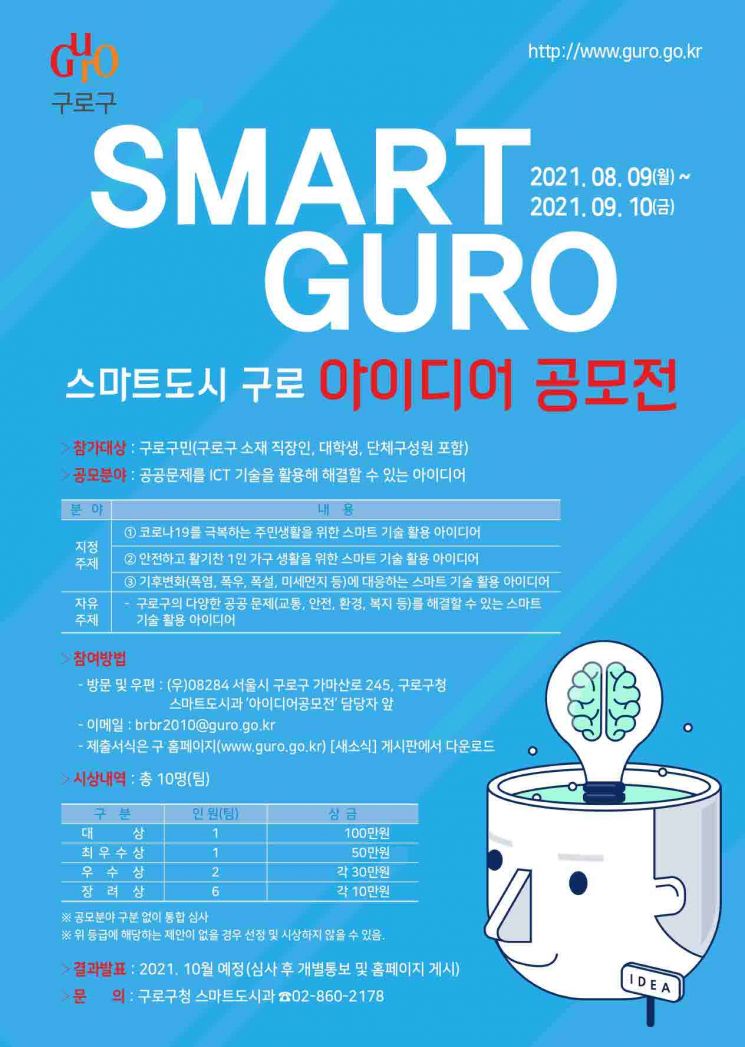
Guro District Holds ‘Smart City Guro’ Idea Contest
Guro District (Mayor Lee Sung) is conducting a resident idea contest for ‘Smart City Guro.’
The district announced on the 9th, “To provide residents with a platform to actively participate in smart policies using advanced technology, we are holding the ‘Smart City Guro Idea Contest.’”
The designated contest themes are ▲Overcoming COVID-19 ▲Single-person households ▲Smart technologies responding to climate change (heatwaves, heavy rain, snow, fine dust, etc.). The free theme is ▲Ideas using smart technology to solve various public problems in Guro District (traffic, safety, environment, welfare, etc.).
Participants select one local issue per theme and propose solutions using information and communication technologies such as IoT.
The contest is open to Guro residents interested in district affairs, workers or university students in the district, and members of related organizations. Applications can be submitted by visiting the Smart City Division at the district office, email (brbr2010@guro.go.kr), or mail by September 10. Details are on the district website.
After review by relevant departments and judging by a committee, results will be announced in October.
Selected ideas will be incorporated into policies, and proposers will receive prizes: 1 million KRW for grand prize, 500,000 KRW for excellence award, 300,000 KRW each for two merit awards, and 100,000 KRW worth of gift certificates each for six encouragement awards.
A Guro District official said, “This contest will help solve various local issues using smart technology. We expect many innovative ideas through active resident participation.”
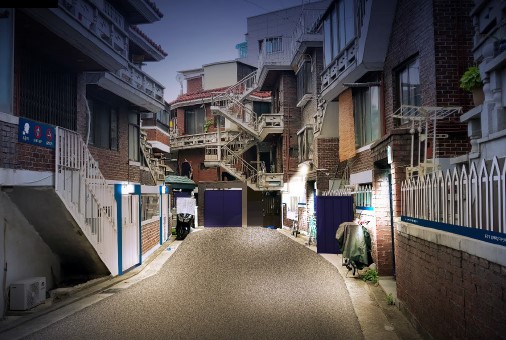 Appearance after applying crime prevention design such as transparent fence safety fence and gate painting
Dongjak District Upgrades Crime Prevention Design
Dongjak District (Mayor Lee Chang-woo) announced on the 9th that it will expand the scope of its crime prevention design project from village units to urban gap vulnerable spaces by December to create a safe environment free from crime anxiety.
The crime prevention design project applies design techniques to block criminal psychology and create a crime-preventive environment. Since starting the Danuri Safe Village project in Shindaebang 1-dong in 2015, the district has continued efforts to create crime-free safe villages in Jeondong.
For systematic project implementation, the district established a basic plan for urban gap space CPTED (Crime Prevention Through Environmental Design), including ▲analysis of gap space types to identify vulnerable areas ▲annual execution plans ▲design guidelines and standard manuals for specialized CPTED facilities.
While Version 1 focused on village units, Version 2 emphasizes applying crime prevention design techniques to urban gap vulnerable areas neglected at the village level to complement vulnerabilities.
Before project implementation, the district selected eight priority sites needing improvement of potential crime blind spots such as areas with many single women households and low-rise residential areas through big data analysis of ▲crime hotspots ▲crime types ▲regional characteristics.
The target sites are ▲Shindaebang 1-dong (Shindaebang 18-gil) ▲Sangdo 1-dong (Sangdo-ro 61-gil 5) ▲Sadang 1-dong (Sadang-ro 24-gil) ▲Sangdo 3-dong (Guksabong 1-gil 58) ▲Daebang-dong (Deungyong-ro 12) ▲Shindaebang 2-dong (Yeouidaebang-ro 22na-gil) ▲Heukseok-dong (Heukseok-ro 9-gil 14) ▲Sadang 2-dong (Dongjak-daero 27ba-gil).
In low-rise residential areas, the district plans to install fence safety fences and see-through fences to enable natural surveillance. Dark and narrow alleys will have illuminated handrails and illuminated address plates to improve lighting, applying customized crime prevention designs to complement vulnerabilities per site.
Lee Eui-shin, Director of Urban Planning, said, “Expanding crime prevention design facilities in urban gap vulnerable areas will improve residents’ sense of safety and create a crime-preventive environment. We will also strive to maintain project effectiveness through professional and systematic management of crime prevention design facilities.”
Meanwhile, the district enacted the first crime prevention design ordinance in Seoul in 2014, promoted resident-proposed CPTED projects, and created crime-free safe villages in areas like Noryangjin 1-dong academy district, winning crime prevention design awards and establishing its status as a leading district in crime prevention.
Seongbuk District Strengthens Youth Future Competencies through University-Linked Seongbuk Future School
Seongbuk District (Mayor Lee Seung-ro) completed the local specialized career experience program ‘Seongbuk Future School’ linked with Korea University, Kookmin University, Sungshin Women’s University, and Seoul Women’s University from July 23 to August 6.
Seongbuk Future School is a consortium program established by Seongbuk District to enhance youth career exploration and future competencies, offering advanced career education in five fields (AI, automotive engineering, robot drive engineering, biotechnology, information security) for Seoul high school students.
The program was conducted online non-face-to-face every Friday and Saturday for three weeks, utilizing excellent university infrastructure. Each field included theory classes, kit-based practice, online lectures and visits to related professionals (AhnLab, Nexel), and a sharing presentation session, totaling five sessions.
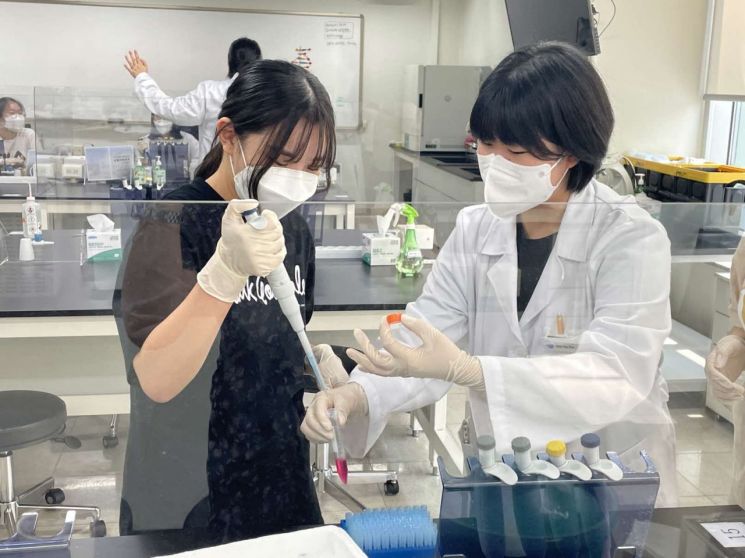
Biotechnology field experimental classes were conducted.
For non-face-to-face practice, individual experience kits were distributed to students, and real-time interactive sessions between university professors and high school students minimized learning gaps from remote classes. However, biotechnology required face-to-face experiments due to its nature, so theory classes were online and experiments face-to-face.
On the 6th, a sharing presentation was held where students presented project results from the five fields, explaining their projects and sharing impressions.
Seongbuk District Mayor Lee Seung-ro said in a video message, “Despite difficulties in on-site education due to COVID-19, thanks to thorough preparation by professors and university staff and cooperation from students, we safely completed the program. I hope this sharing presentation becomes a valuable time for students to demonstrate imagination and creativity.”
© The Asia Business Daily(www.asiae.co.kr). All rights reserved.



















