[Seoul District News] Public WiFi Installed at 32 Locations Around Seokchon Lake, 4 Times Faster and 2.5 Times More Concurrent Connections... Seongdong-gu Gyeongdong Elementary Safe School Routes and Senior Centers Free WiFi Pass First Round of Citizen Participation Budget Excellence... Gwanak-gu’s ‘Smart Dolbom’ Welfare Service Receives High Praise... Yangcheon-gu Operates Non-Face-to-Face Healing Programs for Safe Home Enjoyment... Dobong-gu Extends 50% Rent Reduction for Small Business Tenants Leasing District-Owned Property to Overcome COVID-19
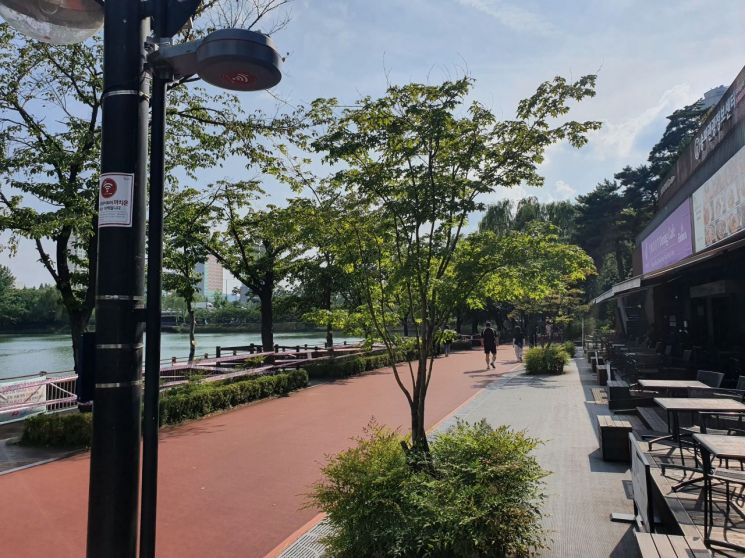
Songpa-gu Seokchon Lake Establishes High-Performance Public WiFi ‘Kkachion’ with Much Faster Speed and Greater Connectivity than Before
[Asia Economy Reporter Park Jong-il] Songpa-gu (Mayor Park Seong-su) has established a high-performance public WiFi called ‘Kkachion’ at Seokchon Lake, a representative tourist attraction in Seoul visited by over 4.5 million people annually, offering much faster speed and greater connectivity than before.
‘Kkachion’ is a new high-performance public WiFi that is 4 times faster than existing public WiFi, supports 2.5 times more simultaneous connections, has an expanded usage radius (30m → 70m), and features high-level encryption (WPA3).
The district selected installation locations by analyzing big data on the density of floating population at Seokchon Lake and considering wireless signal shadow areas, then expanded the installation of ‘Kkachion’ public WiFi to 32 locations within Seokchon Lake in collaboration with Seoul City.
Visitors to Seokchon Lake can now use the public WiFi service for free regardless of their mobile carrier.
To use it, simply turn on the WiFi function on your smartphone at a location where Kkachion is installed and select ‘SEOUL_Secure’. Both the connection ID and password are ‘seoul’. Once set up for the first time, your device will automatically connect at all locations equipped with ‘Kkachion’, providing convenient access.
The district has installed 708 public WiFi units in major streets, traditional markets, parks, and other indoor and outdoor multi-use facilities since 2012 to expand public wireless WiFi for the convenience of residents and tourists.
Additionally, last year, 8 public WiFi units were installed to allow visitors to the Seoul Songpa Senior Specialized Nursing Home and Songpa Senior Welfare Center to use the service freely. In April this year, 14 more public WiFi units were added inside Mongchontoseong at Olympic Park through Seoul City’s ‘Kkachion Hot Place’ project.
Park Seong-su, Mayor of Songpa-gu, said, “We will continue to expand public WiFi in public places to improve convenience for residents and tourists, reduce communication costs, and work to bridge the digital divide for marginalized groups.”
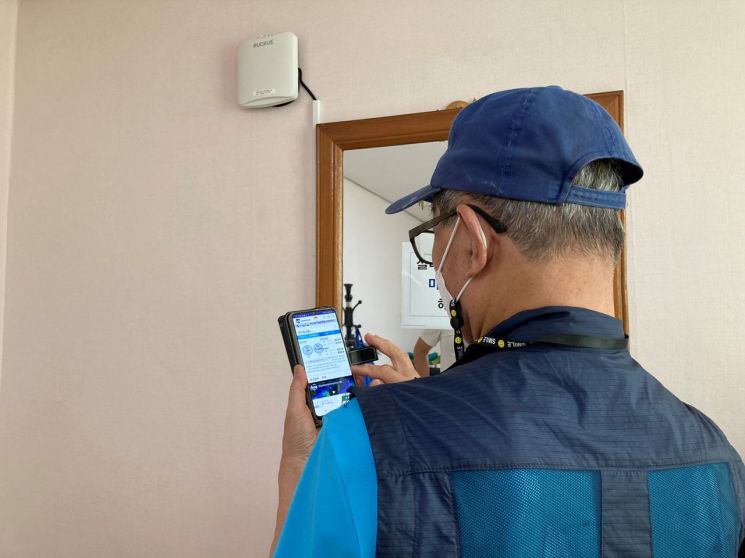
Seongdong-gu’s Gyeongdong Elementary Safe School Route and Senior Center Free WiFi Pass First Round of Citizen Participation Budget Excellent Execution Projects
Seongdong-gu (Mayor Jeong Won-oh) had two projects pass the first review in the ‘2021 Seoul Citizen Participation Budget Excellent Execution Project Selection’ held last month and is now awaiting final selection through voting this month.
The ‘2021 Citizen Participation Budget Excellent Execution Project Voting’ evaluates not only projects proposed by residents during Seoul’s budget formation process but also the results executed by autonomous districts, providing an opportunity to assess the efforts of both proposers and executing districts.
The first selection included 14 projects evaluated highly for effort and contribution among projects budgeted and implemented or completed from 2013 to 2021 through citizen participation budgets. Among these, two projects received the opportunity for final voting for the first time: the ‘Gyeongdong Elementary Safe School Route Project’ and the ‘Senior Center WiFi Installation Project’.
These two selected projects are representative initiatives actively promoted by Seongdong-gu this year. In particular, the ‘Gyeongdong Elementary Safe School Route Project’ was allocated 300 million KRW through the citizen participation budget and is regarded as a model case of resolving local issues through collaboration among residents, schools, and administrative agencies over the past three years.
Various stakeholders including local governments, education offices, and parents have worked together to create a safe school commuting environment, resulting in particularly high satisfaction among nearby residents.
The ‘Senior Center WiFi Project’ was selected in this year’s citizen participation budget and is actively underway with a grant of 100 million KRW. It provides smartphone usage opportunities to elderly citizens who feel digitally excluded, realizing balanced welfare. Currently, communication networks have been installed in 42 public senior centers in the area, building infrastructure to help elderly users become familiar with IT. The project, implemented in response to the COVID-19 era, has received very positive feedback.
The final citizen voting will be held from the 9th to the 19th of this month. Based on the online voting results for 14 projects, one grand prize, two excellence awards, and three encouragement awards will be selected, totaling six projects. The final approval and decision will be made at the ‘Citizen Participation Budget Festival General Assembly’ on the 28th. Participation can be done by directly accessing the Seoul City ‘M-Voting’ website or via the Citizen Participation Budget website and the official website of the 2021 Citizen Participation Budget Festival. Jeong Won-oh, Mayor of Seongdong-gu, said, “This voting is an opportunity to evaluate policies that residents truly feel and to see how closely the administration has communicated and worked with residents. We hope many residents will participate in voting so that excellent policies can be widely promoted.”
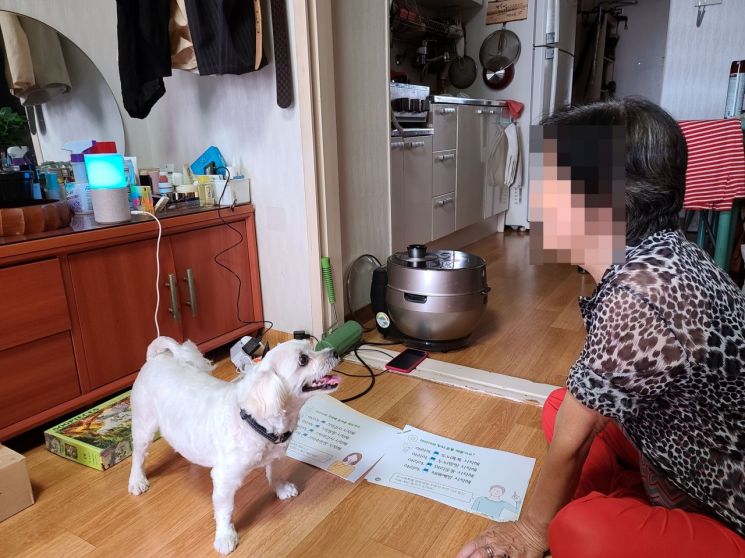
Gwanak-gu’s ‘Smart Care’ Welfare Service Gains Strong Public Support
Gwanak-gu (Mayor Park Jun-hee) is drawing attention by implementing a ‘Smart Care’ welfare service amid growing concerns about welfare gaps for vulnerable groups due to restricted visits and contact during the prolonged COVID-19 pandemic.
Utilizing various smart advanced technologies such as Internet of Things (IoT), voice text messages, KakaoTalk channels, AI home care, and companion robots, the district identifies households in crisis and addresses blind spots in care.
Mayor Park Jun-hee stated, “The spread of COVID-19 is more severe and harsh for households in crisis. Therefore, even the smallest gap in finding these households must be guarded against. The district is responding swiftly by utilizing contactless systems and smart devices.”
First, ‘IoT Smart Plugs’ have been installed in 330 households at high risk of solitary death, including middle-aged single-person households, elderly living alone, and severely disabled individuals, to monitor their well-being continuously. If there is no change in electricity usage for 50 hours, an automatic real-time alert is sent to the local community center.
The district is also running the ‘Tongtong Line’ project using an internal administrative network system. Weekly text messages are sent to about 3,000 high-risk households such as elderly living alone and severely disabled persons. If messages are not received twice or more, welfare planners visit directly to respond to crisis situations.
Additionally, the ‘Together Welfare Talk’ service via KakaoTalk channel provides non-face-to-face welfare counseling to residents in need and accepts reports of neighbors in difficulty. Currently, about 1,300 residents are registered and active. The district also plans to operate the ‘Seoul Salpimi App’ (a mobile motion detection app) for 1,234 middle-aged single-person households at high risk of solitary death, detecting screen touches and button operations to check their well-being.
To prepare for the increasing number of missing dementia patients, the district provides ‘Smart Keepers’ free of charge. The Smart Keeper is a GPS-based location tracker designed like a wristwatch for dementia patients, allowing caregivers to check real-time location information via a mobile app. Since 2018, the district has supported 124 elderly residents with Smart Keepers.
Since July, AI speaker ‘Aria’ has been installed free of charge for 20 households registered at the Dementia Relief Center with dementia or mild cognitive impairment, providing AI-based elderly care services. Along with dementia prevention specialized services, it offers health management programs, music listening, emotional conversations, news, and various lifestyle information, receiving high praise.
Especially, the district plans to provide AI companion robots to 100 single disabled persons with high depression and difficulties in daily life. The AI companion robot features conversational companionship, medication reminders, video calls with social workers for well-being checks, and emergency situation reporting.
Mayor Park Jun-hee said, “Care is no longer a burden individuals must bear alone but a social issue that society must share. We will continue to build a smart and detailed non-face-to-face welfare safety net so residents can live safely in the changing welfare environment due to COVID-19.”
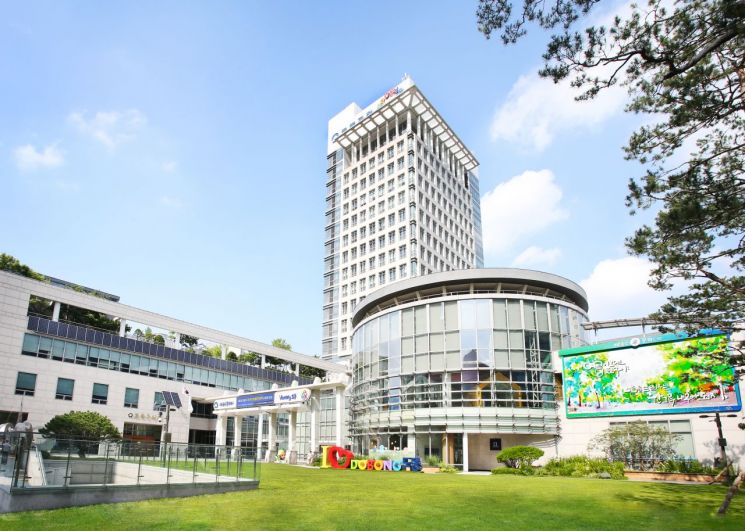
Dobong-gu Extends 50% Rent Reduction for Small Business Tenants Leasing District-Owned Properties to Overcome COVID-19
Dobong-gu (Mayor Lee Dong-jin) is extending the 50% rent reduction until the end of this year to support small business tenants leasing district-owned properties who have suffered economic damage due to the COVID-19 pandemic.
Since last year, Dobong-gu has implemented up to a 50% rent reduction to support small business tenants facing operational difficulties due to COVID-19, providing a total rent reduction of 136 million KRW across 16 locations in 2020.
This year, the district has continued the rent reduction from the first half and decided to extend the maximum 50% rent reduction from July to December in the second half.
For tenants who prepaid their 2021 rent, the reduced amount will be refunded. For those unable to operate due to closures of district-owned buildings, the rental period will be extended accordingly or calculated on a pro-rata basis with a full refund.
The support targets small business tenants leasing district-owned properties in Dobong-gu, including stores and cafes in district-run cultural and sports facilities and leased land restaurants, totaling 16 locations eligible for up to 97 million KRW in rent reductions. Interested parties can apply by submitting the required documents to the property management department for each district-owned property.
Lee Dong-jin, Mayor of Dobong-gu, said, “We hope the long-term rent reduction will help overcome the COVID-19 period even a little. Dobong-gu will continue to do its best to support small businesses and revive the local economy.”
Seongbuk-gu, a Strong Support for Artists in the COVID Era... Tops in Both 1st and 2nd Rounds of Emergency Disaster Relief Fund Applications for Artists
Seongbuk-gu (Mayor Lee Seung-ro) is actively promoting and publicizing various support projects for local artists whose artistic activities have been halted due to the prolonged COVID-19 pandemic, serving as a strong support for artists facing economic difficulties.
Seongbuk-gu, along with Mapo-gu, is a representative district where many artists who have completed proof of artistic activity reside. Especially due to gentrification in Daehangno, many young artists have shifted their activity areas to Seongbuk-dong and Samseon-dong, engaging in various creative activities such as theater, art, and music, gaining attention as the ‘Off Daehangno’ area.
Accordingly, Seongbuk-gu has supported artists to freely express their passion and activities through various performance opportunities and housing stability projects.
One such project is the Seongbuk Street Performance Group. With opportunities for performances and events drastically reduced due to COVID-19, this project selects local affiliated art groups and the Seongbuk Street Performance Group (busking) to provide practical performance opportunities. A total of 56 art groups selected through open competition participate in local festivals and events, offering residents tired of COVID a chance for joy and healing through art.
Projects supporting artists’ housing stability such as ‘Seongbuk Cultural Artists Village’ and ‘Seongbuk Creative Village’ have also attracted attention. Eligibility requires artists aged 19 or older who are household members without housing and meet income criteria. Residents can live up to 20 years if renewal conditions are maintained. Seongbuk-gu announces recruitment for vacancies through its official website.
The district also actively provides information on various disaster relief funds for artists. Besides the Seongbuk-gu website, information is shared through blogs, Facebook, and press releases to ensure as many local artists as possible receive support.
Through these efforts, Seongbuk-gu ranked first in the application for the 2nd round of Seoul Artist Living Stabilization Fund (Emergency Disaster Relief Fund for Artists) held from July 21 to August 3, following the first round of emergency disaster relief fund applications in the first half of the year.
Lee Seung-ro, Mayor of Seongbuk-gu, said, “While it is the administration’s role to provide various support so that artists do not lose hope and continue their creative activities, it is also an important mission to promote and communicate so that even one more artist can benefit from the support. As the importance of creation and art grows and related projects expand through the COVID period, we will continue to implement diverse artist support projects as an investment in Seongbuk-gu’s future growth engine.”
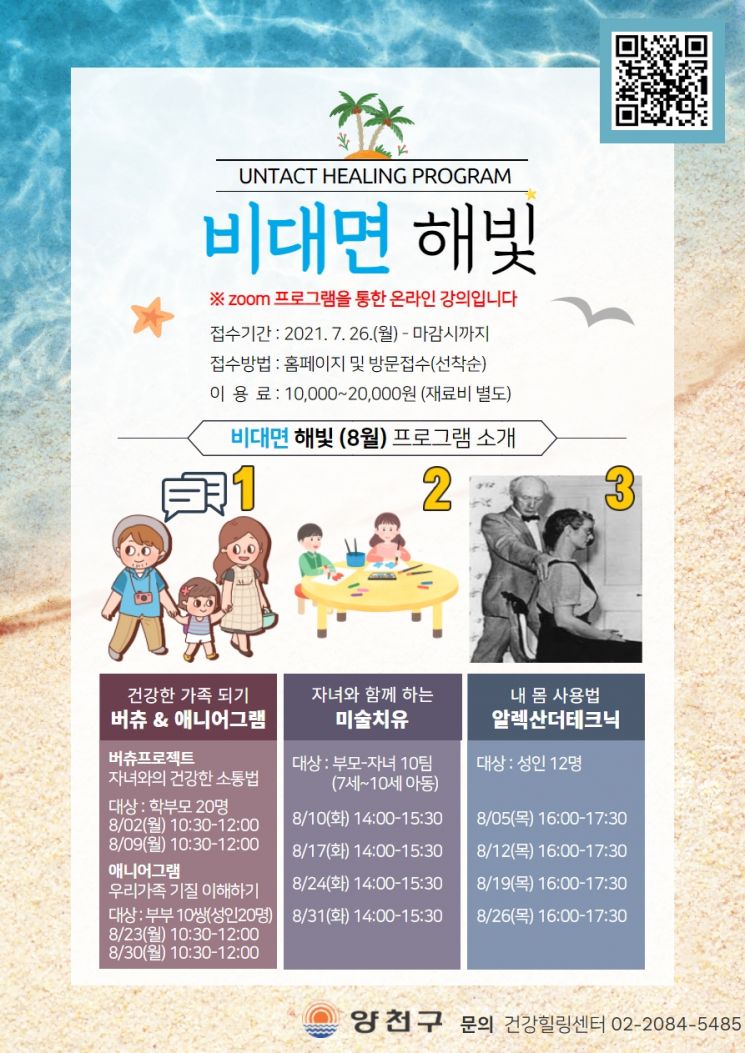
Yangcheon-gu Operates Non-Face-to-Face Healing Programs to Safely Enjoy at Home
Yangcheon-gu (Mayor Kim Soo-young) Health Healing Culture Center is running non-face-to-face healing programs throughout August to help residents exhausted by the prolonged COVID-19 pandemic safely enjoy healing time at home.
This non-face-to-face healing program consists of four courses designed to help family members communicate better and create healthy self-care plans: ▲Art Therapy with Children ▲How to Use My Body (Alexander Technique) ▲Conversation Methods to Boost Your Precious Child’s Self-Esteem (Virtue Project) and Wise Couple Life (Enneagram). To prevent COVID-19 infection, the courses are conducted online using video conferencing platforms, with a fee of 5,000 KRW per session.
‘Art Therapy with Children’ uses pre-delivered activity kits for parents and children to engage in art activities together for healing. It runs every Tuesday from 2:00 to 3:30 PM for a month starting August 10.
‘How to Use My Body (Alexander Technique)’ is a course to reflect on our overly tense body and mind due to various factors and learn wise self-use methods. It runs every Thursday from 4:00 to 5:30 PM for a month starting August 5.
Psychological education to understand family includes ‘Healthy Communication with Children (Virtue Project)’ and ‘Wise Couple Life (Enneagram)’, each held twice on Mondays from 10:30 AM to 12:00 PM. These sessions feature sincere discussions on parent-child communication methods and understanding each other’s personality and temperament between couples.
Kim Soo-young, Mayor of Yangcheon-gu, said, “Through this non-face-to-face one-day Haebit program, I hope residents exhausted by COVID-19 can safely enjoy healing time with their families. We will continue to develop customized healing programs that consider the safety of instructors and participants in response to new social environments and demands.”
© The Asia Business Daily(www.asiae.co.kr). All rights reserved.



















