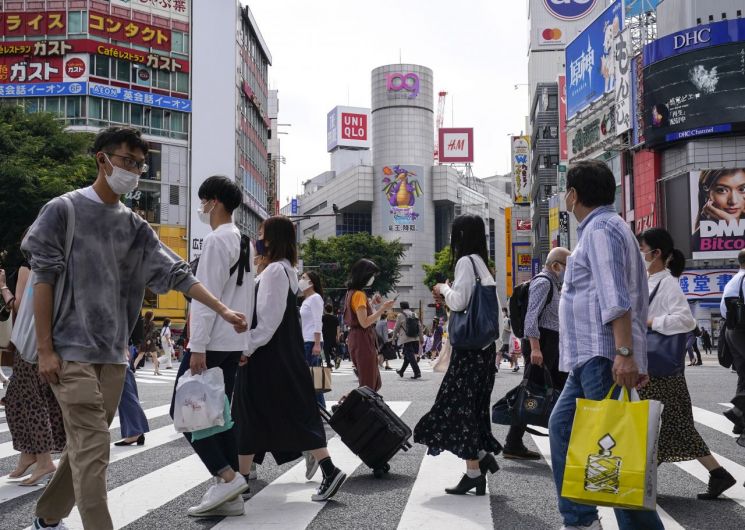
[Asia Economy Reporter Kwon Jae-hee] Amid the ongoing Tokyo Olympics, the spread of COVID-19 in Japan is reaching its worst levels. The Delta variant is rapidly spreading, especially in the metropolitan area. Some warn that in the worst-case scenario, there could be 10,000 new cases per day in Tokyo alone.
According to Sankei Shimbun and NHK on the 5th, the number of new COVID-19 cases in Tokyo Prefecture the previous day was 4,166, and the total across Japan reached 14,207, marking the highest daily number of confirmed cases ever recorded.
The National Institute of Infectious Diseases of Japan analyzed that 90% of the new cases in the Kanto region, which includes major areas of the Tokyo metropolitan area, are infections of the Delta variant.
In the Kansai region, centered on Osaka Prefecture in western Japan and consisting of five neighboring prefectures, about 60% of new cases are estimated to be infections of the Delta variant.
Shigeru Omi, chairman of Japan's COVID-19 Countermeasures Subcommittee, mentioned at the House of Representatives Health, Labor and Welfare Committee meeting that "in the worst case, the number of daily confirmed cases in Tokyo alone could reach 10,000."
Chairman Omi added, "There will be no rapid decrease."
Experts especially predict that the spread of infections will continue in the metropolitan area for the time being.
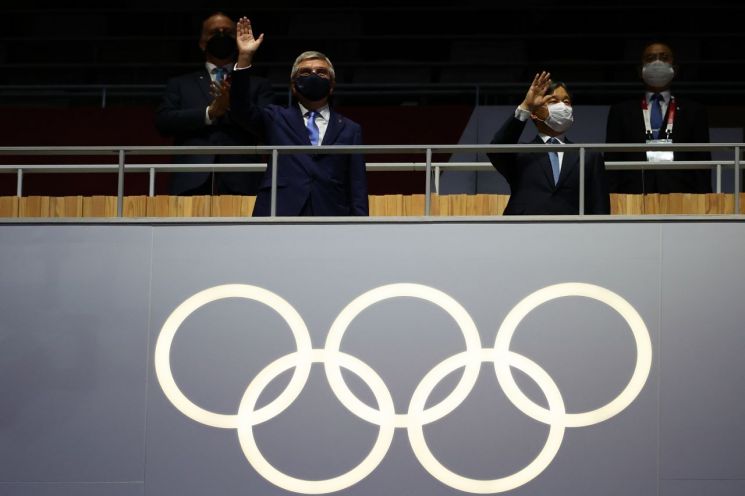
Accordingly, the Japanese government plans to add the 'Priority Measures to Prevent Spread,' which are measures equivalent to a state of emergency under the Special Measures Act on COVID-19, targeting eight prefectures including Fukushima and Ibaraki.
The decision will be made after an expert meeting today (the 5th), with the application period expected to be from August 8 to August 31. The areas subject to the priority measures are expected to expand from five prefectures with metropolitan status to thirteen prefectures with metropolitan status.
However, some voices express concern that the measures should be applied nationwide rather than only in some areas.
Experts stated, "The number of new infections is rapidly increasing in many regions nationwide," and "It is necessary to consider ways to reduce contact opportunities to prevent rapid spread."
As the surge in confirmed cases leads to a shortage of hospital beds, the Japanese government has shifted its policy to limit hospital admissions to only severe cases or those likely to become severe, sparking controversy.
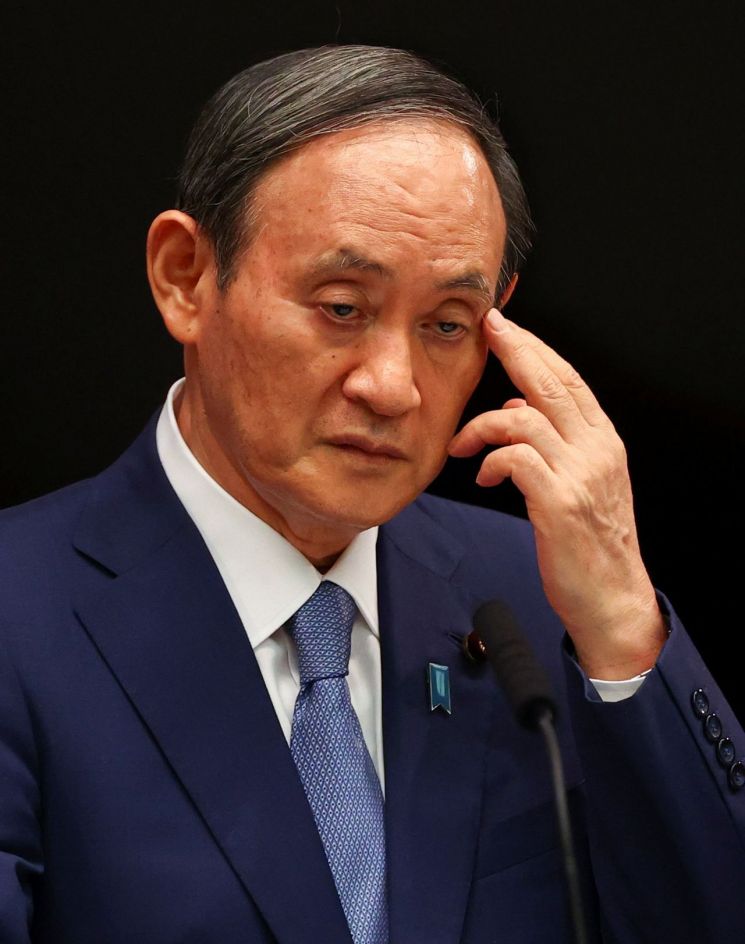
Satoshi Kutsuna, a professor at Osaka University, said in an interview with Asahi Shimbun, "People who could previously be hospitalized will now recuperate at home, and there is a possibility that the number of people dying at home will increase."
It is premature to expect the effects of vaccines at this time.
According to Mainichi Shimbun, as of the end of July, 76.9% of elderly people aged 65 and over in Japan have completed two doses of the vaccine.
However, only 30.5% of the total population have completed vaccination, and a large number of young people who are socially active remain unvaccinated.
© The Asia Business Daily(www.asiae.co.kr). All rights reserved.
![Clutching a Stolen Dior Bag, Saying "I Hate Being Poor but Real"... The Grotesque Con of a "Human Knockoff" [Slate]](https://cwcontent.asiae.co.kr/asiaresize/183/2026021902243444107_1771435474.jpg)


















