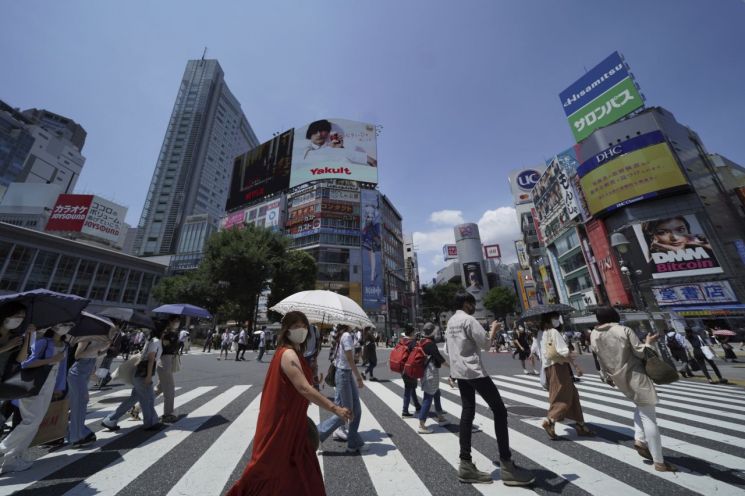
[Asia Economy Reporter Kwon Jae-hee] Amid the ongoing Tokyo Olympics, the surge in COVID-19 cases in Japan has led to the emergency medical system reaching a state of paralysis.
According to Japan's Ministry of Internal Affairs and Communications on the 4th, there were 2,376 cases of ambulance transport difficulties reported in Japan during the week from the 26th of last month to the 1st of this month.
Ambulance transport difficulty cases refer to situations where the fire department made four or more inquiries to medical institutions to find a hospital to accept the patient, but no hospital was immediately decided for transport, resulting in a delay of more than 30 minutes.
Last year, there were 1,160 cases of ambulance transport difficulties, but with the recent surge in COVID-19 cases, the number has more than doubled.
In particular, a severe shortage of hospital beds has been identified in Osaka Prefecture, a central area in western Japan.
In Osaka, the proportion of hospitalized patients among those infected with COVID-19 and receiving care has dropped to around 10%, and there have been continued cases of patients dying at home without being admitted, Asahi Shimbun reported.
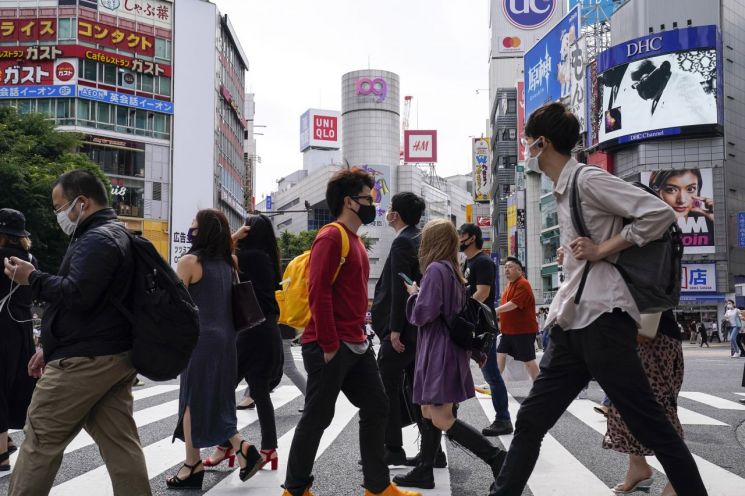
The newspaper added that there have been patients whose symptoms suddenly worsened but who could not find a hospital to transfer to, resulting in long waits in ambulances and death, with waiting times approaching 47 hours in some cases.
Amid this, the Japanese government has shifted its policy to limit hospitalization of COVID-19 patients to those who are severely ill or at risk of becoming severe, instructing those with moderate or mild symptoms to recover at home in principle, sparking controversy.
Previously, patients with moderate or mild symptoms were hospitalized or cared for in hotels or other accommodation facilities, but now they are instructed to stay at home.
Yomiuri Shimbun pointed out in an editorial on the same day that "It is difficult to recover at home without infecting family members in cramped living spaces," and "People living alone would find it hard to even contact health centers if their condition suddenly worsens."
Yomiuri also criticized, "The importance of securing hospital beds has been pointed out for some time," and "It is clear that the government and local authorities' responses so far have been insufficient."
Tokyo Shimbun criticized the Japanese government’s careless assumption that there would be no shortage of hospital beds even if new cases increased, due to overconfidence in the speed of vaccine rollout.
© The Asia Business Daily(www.asiae.co.kr). All rights reserved.
![Clutching a Stolen Dior Bag, Saying "I Hate Being Poor but Real"... The Grotesque Con of a "Human Knockoff" [Slate]](https://cwcontent.asiae.co.kr/asiaresize/183/2026021902243444107_1771435474.jpg)

















