[Asia Economy New York=Correspondent Baek Jong-min] Major indices on the New York Stock Exchange closed lower, reflecting caution over earnings reports from big tech companies, the spread of the COVID-19 Delta variant, a sharp decline in the Chinese stock market, and concerns about changes in the Federal Reserve's (Fed) monetary policy.
On the 27th (local time), the Dow Jones Industrial Average fell 85.79 points (0.24%) to close at 35,058.52, the S&P 500 dropped 20.84 points (0.47%) to 4,401.46, and the Nasdaq fell 180.14 points (1.21%) to finish at 14,660.58.
After reaching record highs the previous day, the major indices all reversed to declines. The S&P 500 turned downward for the first time in six trading days.
UPS reported earnings and revenue that exceeded expectations, but its stock price fell about 7%. The Wall Street Journal analyzed that UPS’s strong performance had been driven by COVID-19 but now appears to have peaked.
Chinese-listed companies, which had been weak due to regulatory impacts from the Chinese government, showed mixed results. TAL Education, hit hard by private education regulations, surged 25%. New Oriental Education also rose by 12%. Didi recovered intraday losses and closed flat.
Alibaba fell an additional 2.9%. Major Chinese stocks such as Baidu, Weibo, and Tencent Music also saw significant declines. Chinese electric vehicle maker Nio’s stock plunged 8%.
Electric vehicle maker Tesla, which reported better-than-expected earnings the previous day, fell 1.9%. In contrast, GE rose 1.2% after its earnings announcement.
Apple, Microsoft, and Alphabet, which were scheduled to report earnings that day, all showed weakness.
According to Refinitiv, 124 companies in the S&P 500 have reported their Q2 earnings so far, with 88.7% beating expectations.
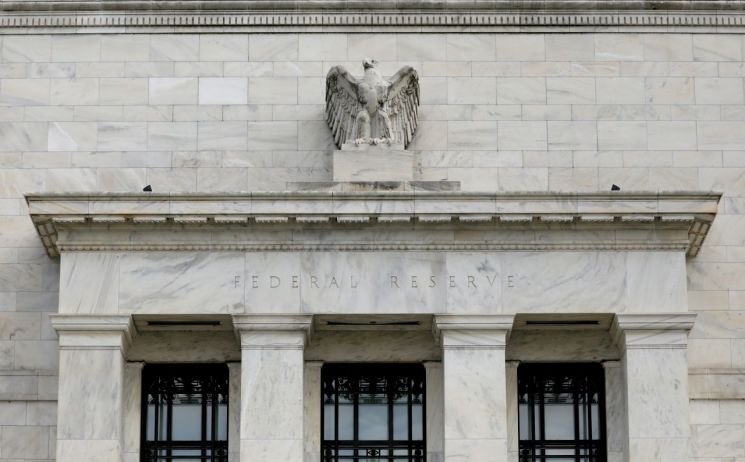
Caution is also growing ahead of the two-day Federal Open Market Committee (FOMC) regular meeting starting that day.
Market experts largely agree that while the statement and Fed Chair Jerome Powell’s press conference may mention tapering asset purchases, no significant changes are expected. The market anticipates hints about tapering at the August Jackson Hole meeting.
The U.S. 10-year Treasury yield fell by 0.05 percentage points to the 1.23% range, reflecting concerns over the FOMC meeting and the Delta variant.
© The Asia Business Daily(www.asiae.co.kr). All rights reserved.

















