[Asia Economy Reporter Seongpil Cho] A former chief judge who missed the application period for honorary retirement and did not receive the allowance won a lawsuit against the Court Administration Office.
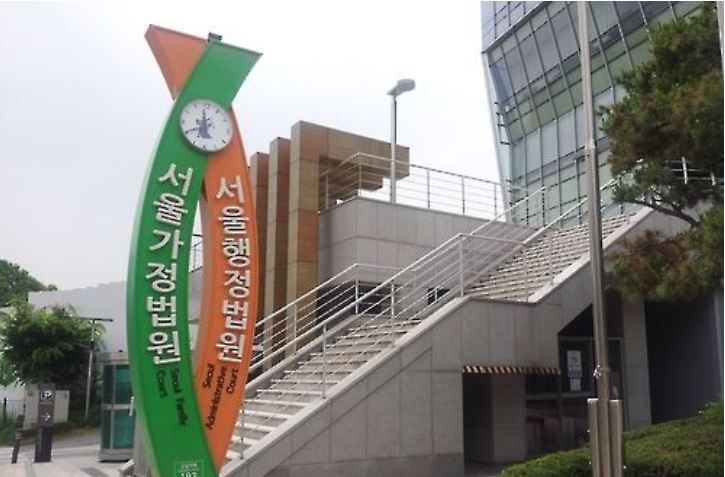
According to the legal community on the 27th, the Administrative Division 4 of the Seoul Administrative Court (Chief Judge Han Won-kyo) ruled in favor of former chief judge A in the lawsuit filed against the head of the Court Administration Office to cancel the decision not to pay the honorary retirement allowance. The court stated, "The defendant should have directed and supervised the notification of matters related to the payment of honorary retirement allowances so that all affiliated employees could be informed," and added, "Since the defendant took no action, the disadvantage of not applying within the period cannot be attributed to the plaintiff."
A, who was serving as a chief judge at the Anyang Branch of Suwon District Court, submitted a resignation letter to the court last February to apply for an open deputy mayor position at a local government. He also wrote in the resignation letter that "although late, if honorary retirement processing is possible, please show leniency." However, the Court Administration Office excluded A from the honorary retirement target and did not pay the allowance, citing that A missed the honorary retirement application deadline. The application deadline set by the Court Administration Office was December 20, 2019, and the allowance application deadline was January 10 of last year. A filed a lawsuit challenging the Court Administration Office's decision.
In the lawsuit, A's side argued, "The defendant failed to properly notify each court of the honorary retirement application deadline and other details and to take measures so that all affiliated employees could be informed," and "As a result, the plaintiff was unaware of the payment plan for the retirement allowance." On the other hand, the Court Administration Office argued, "Since A did not apply within the period, it cannot be considered that he met the honorary retirement application requirements," and "We fulfilled the notification obligation by notifying each court and specifying that affiliated judges should be informed."
The court ruled in favor of A. The court stated, "In the case of honorary retirement allowances for judges and court officials, since specific application periods and honorary retirement dates are determined annually based on circumstances, the notification must be made in a way that the recipients can be informed," and "It cannot be considered that the defendant and the plaintiff's affiliated court chief fulfilled the notification obligation to the plaintiff." In fact, although the Court Administration Office notified the '2020 Honorary Retirement Allowance Payment Plan for Judges' to courts nationwide, the Anyang Branch where A worked did not inform its affiliated judges.
The court also ruled, "Except for the fact that the plaintiff did not submit the application within the application period, all other payment requirements were met, so he qualifies as a payment recipient." The honorary retirement allowance payment requirements are ▲ more than 20 years of service ▲ grade 15 or below ▲ more than one year remaining until the next reappointment date. A was appointed as a judge in 1999 and met all these conditions at the time of his retirement application.
© The Asia Business Daily(www.asiae.co.kr). All rights reserved.
![User Who Sold Erroneously Deposited Bitcoins to Repay Debt and Fund Entertainment... What Did the Supreme Court Decide in 2021? [Legal Issue Check]](https://cwcontent.asiae.co.kr/asiaresize/183/2026020910431234020_1770601391.png)















