National Police Agency's Investigation Personnel Guidelines
Increased Workload Leads to Avoidance Phenomenon
Incentives and Personnel Expansion Planned
66 Additional Chief Investigators Selected
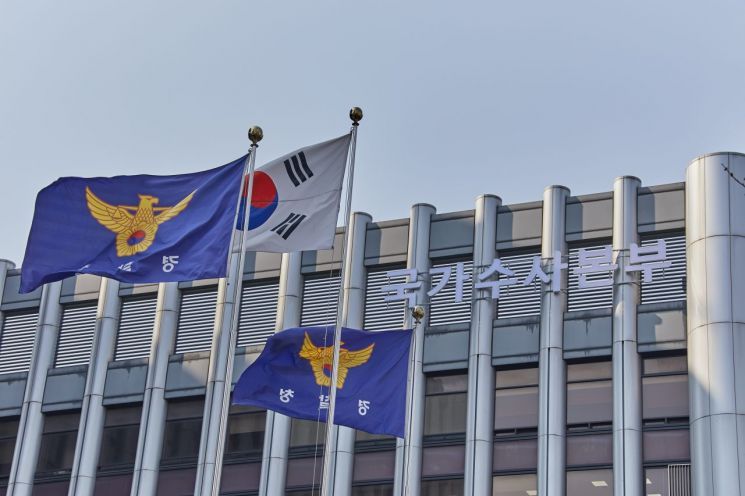
[Asia Economy Reporter Lee Gwan-ju] The police are restricting the transfer of officers with investigative experience to the riot police unit and improving the treatment of investigative police officers by increasing investigation allowances. This reflects the police's efforts to secure investigative expertise amid a growing reluctance toward investigative departments due to increased workload following the implementation of the prosecution-police investigation authority adjustment this year.
According to the police on the 21st, the National Investigation Headquarters (NIH) of the National Police Agency recently issued personnel guidelines to each city and provincial police agency restricting the transfer of approximately 24,000 officers with investigative experience to the riot police unit. Additionally, officers with investigative experience currently working in non-investigative departments will be assigned to investigative departments as much as possible in the second half personnel reshuffle, and transfers of non-investigative personnel assigned to investigative departments to the riot police unit will also be restricted depending on the situation. Investigative experience is a kind of specialization within the police; officers with investigative experience are selected through exams such as criminal law and are recognized as having investigative abilities above a certain level.
This personnel guideline from the NIH is interpreted as a measure to secure investigative expertise and respond to the reluctance toward investigative departments. It is important for capable investigative officers to serve long-term in investigative departments to strengthen investigative expertise. However, some investigative officers who have served for a certain period have often applied for transfer to the riot police unit, citing workload and other reasons. One investigative department officer explained, "When investigating cases, there are many instances of long overtime hours and severe stress," adding, "Although the riot police unit is physically demanding, it tends to have less mental stress, so there are frequent requests for transfer, which are now being restricted."
The NIH also acknowledges that the workload of frontline investigative officers has significantly increased since the adjustment of investigative authority. In fact, with the primary investigation closure rights such as non-prosecution and non-indictment granted, the investigation records managed and stored by the police increased from 14 million pages last year to 76 million pages in the first half of this year. Moreover, as the prosecution's direct investigation scope is limited to the 'six major crimes,' the police's investigative domain has expanded, and requests for supplementary investigations from the prosecution are continuously increasing. The principle of assigning officers with investigative experience to investigative departments appears to be a desperate measure to address the reluctance toward investigative departments.
Measures to reduce the burden on investigative departments are also being prepared. Representative measures include increasing personnel and budget. The police are reportedly requesting and negotiating with the National Assembly and government for an increase of about 2,000 investigative officers. They are also promoting the expansion of incentives, such as increasing investigation-related allowances. Furthermore, 66 additional 'Chief Investigators,' the highest investigative experts within the police, have been selected. Chief Investigators lead investigations in major cases occurring within their respective city or provincial police agencies. A NIH official said, "We believe sufficient budget and personnel support are necessary to realize responsible investigations," adding, "We are exploring various ways to improve investigative expertise and reduce the burden on frontline officers."
© The Asia Business Daily(www.asiae.co.kr). All rights reserved.

















