[Asia Economy New York=Correspondent Baek Jong-min] Major indices of the New York Stock Exchange, which seemed indifferent to inflation, all turned downward in the afternoon. This is attributed to the results of the U.S. 30-year Treasury auction falling short of expectations, causing bond yields to soar and reviving concerns about interest rate hikes.
On the 13th (local time), the Dow Jones Industrial Average closed at 34,889.79, down 107.39 points (0.31%) from the previous session; the S&P 500 index fell 5.42 points (0.35%) to 4,369.21; and the Nasdaq index dropped 55.59 points (0.38%) to 14,677.65.
Earlier in the day, the major New York stock indices seemed to ignore the news of a significant rise in the June Consumer Price Index (CPI), with the S&P 500 and Nasdaq briefly hitting record highs and the Dow surpassing 35,000, but the situation changed rapidly in the afternoon.
The June Consumer Price Index (CPI) released that day showed a year-over-year increase of 5.4%. This was the highest in 13 years and exceeded market expectations. The core CPI also rose by 4.5%.
However, with about 30% of the CPI increase attributed to rising used car prices and other temporary factors, the financial market seemed to overlook inflation concerns. As inflation worries were not significantly reflected, U.S. Treasury yields fell in the morning, and major New York stock indices rose.
The mood reversed at 1 p.m. when the results of the 30-year Treasury auction were announced. The auction for $24 billion worth of 30-year Treasury bonds set the winning yield at 2.0%, which was above the prevailing market interest rates at the time. This was attributed to weak demand for the Treasury bonds.
Accordingly, the 10-year yield surged to around 1.418%, and the 30-year yield rose to 2.049%, each increasing by about 0.05 percentage points.
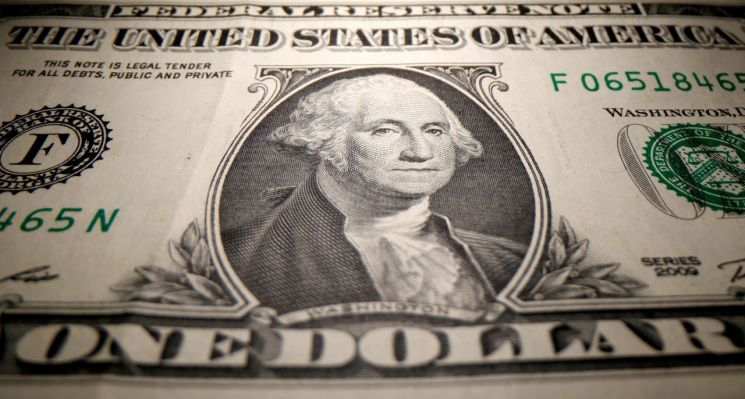
As Treasury yields surged sharply, turmoil broke out in the capital markets. Major New York stock indices all reversed to declines, and the value of the U.S. dollar soared.
The market turmoil is expected to settle only after confirming Federal Reserve Chairman Jerome Powell’s testimony to Congress the following day. Chairman Powell is anticipated to continue asserting that the rise in inflation is temporary. The market is also evaluating that the U.S. economy peaked in the second quarter.
Ahead of Powell’s remarks, James Bullard, President of the Federal Reserve Bank of St. Louis, stated in an interview with The Wall Street Journal (WSJ), "With the economy growing at 7% and the pandemic well under control, I believe it is time to withdraw emergency measures," and argued that tapering should begin.
Mary Daly, President of the San Francisco Fed, also mentioned that the Fed could start tapering by the end of this year or early next year.
© The Asia Business Daily(www.asiae.co.kr). All rights reserved.
![From Hostess to Organ Seller to High Society... The Grotesque Scam of a "Human Counterfeit" Shaking the Korean Psyche [Slate]](https://cwcontent.asiae.co.kr/asiaresize/183/2026021902243444107_1771435474.jpg)
















