[Asia Economy Reporter Yoo In-ho] North Korea is tightening internal control as it faces food shortages due to the impact of COVID-19 and other factors. North Korea is encouraging its residents by stating that the food struggle is a struggle for the homeland.
According to diplomatic sources on the 4th, North Korea suffered significant damage in the agricultural sector last year due to the rainy season and consecutive typhoons, and the chronic food shortage worsened as imports of food and fertilizer were also halted due to border closures caused by COVID-19.
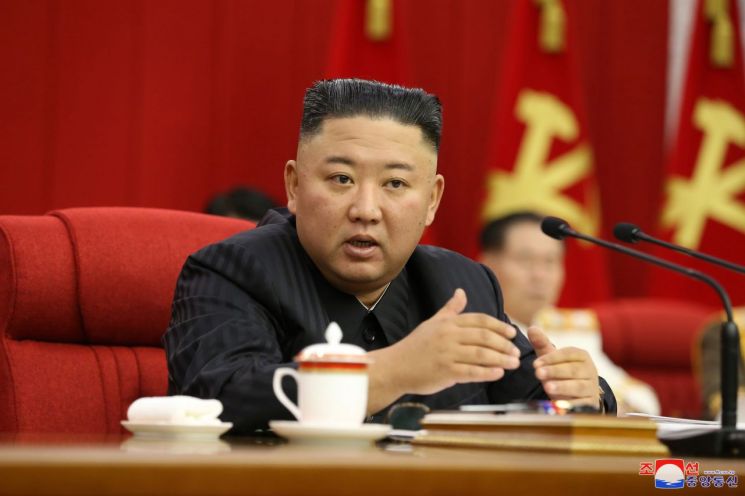
Kim Jong-un, General Secretary of the Workers' Party, unusually acknowledged the food shortage at the Party Central Committee plenary meeting last month, saying, "Due to last year's typhoon damage, the grain production plan fell short, and currently the food situation of the people is becoming tense."
The Workers' Party organ, Rodong Sinmun, introduced examples of 'struggles' in the agricultural sector immediately after the Korean War (6·25 War) and repeatedly urged the achievement of this year's agricultural production targets, the first year of the national economic development five-year plan, in the same context.
On the 3rd, Rodong Sinmun published an article titled "The Struggle for Food is a Struggle for the Homeland," stating that rice is an invaluable asset and wealth for us who are vigorously advancing toward a new victory in socialist construction. It said, "Having abundant rice is essential to uphold the nation's dignity and self-reliance, stabilize and improve people's lives amid any hardships, and ignite a new upsurge on all fronts of socialist construction."
It further encouraged, "Just as our generation cherishes the struggle of the previous generations of patriotic farmers who defended and cultivated every inch of land with their blood, future generations will also proudly look back on your lives that demonstrated heroic feats on the front lines of defending socialism. Let us fulfill our duties to the Party and the revolution at every moment."
In another article on the same day, the newspaper urged, "Even if current conditions are unfavorable, how can they compare to the period of the Fatherland Liberation War (6·25 War) or the post-war reconstruction period? Like the previous generations who boldly thought and acted by burning away passivity, conservatism, and technical mysticism, we must thoroughly eradicate wrong views such as formalism, expediency, and defeatism, and continue innovation and progress until the day this year's farming is completed."
North Korea's emphasis on achieving agricultural goals by citing numerous examples of high-yield cases from the 1950s to 1960s is interpreted as a need for active support from farmers to overcome the food shortage.
In this situation, North Korea is particularly emphasizing discipline and ideological armament internally this year.
On April 8, General Secretary Kim addressed the lowest-level party cadres at a cell secretary meeting, stating, "We have resolved to undertake an even more arduous March of Hardship," referring to the 'March of Hardship' period in the late 1990s when a great famine occurred.
On the 23rd of the same month, Rodong Sinmun also encouraged, "Let us live and struggle like the heroes of the post-war reconstruction period of the 1950s and the Chollima era."
© The Asia Business Daily(www.asiae.co.kr). All rights reserved.

















