[Asia Economy Reporter Kwon Jae-hee] The era of electric vehicles priced in the 10 million KRW range is expected to arrive. As the price of batteries, the core component of electric vehicles, decreases, electric vehicle manufacturers are engaging in discount competition. When combined with subsidies provided by governments and local authorities for electric vehicle purchases, it is anticipated that the price competitiveness of electric vehicles will surpass that of conventional diesel vehicles.
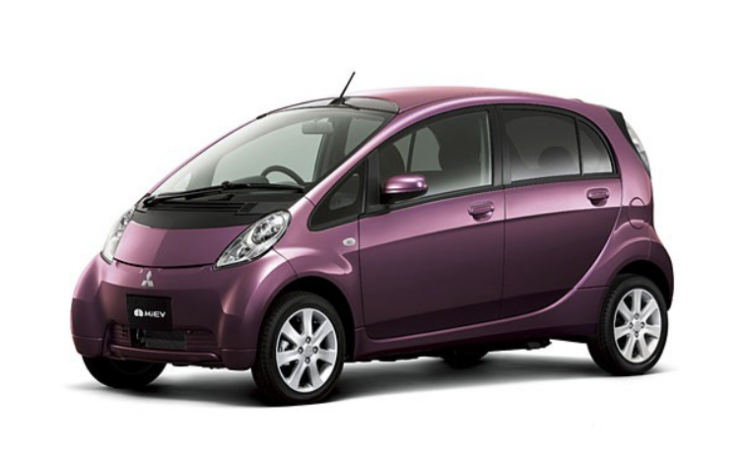
According to the Nihon Keizai Shimbun on the 25th, Mitsubishi Motors announced plans to reduce the price of commercial electric vehicles based on compact cars to below 1 million yen (approximately 20.4 million KRW) by 2023. This represents about a 20% discount from the current 2.4 million yen and is the lowest price among electric vehicles offered by Japanese automakers.
Renault plans to launch low-cost electric vehicles through its 'Dacia' brand. These will be sold in France at 2.26 million yen (approximately 23 million KRW). Germany's Volkswagen also plans to release electric vehicles priced around 20,000 euros (approximately 27 million KRW) by 2025.
The reason global automakers are rushing to introduce low-cost electric vehicles is that the price of batteries, which account for about 30-50% of the manufacturing cost of electric vehicles, has decreased. According to Bloomberg, the price of electric vehicle batteries was $726 per kilowatt-hour in 2012 but dropped to $137 in 2020. Nihon Keizai reported, "As of 2020, battery prices have decreased by about 80% compared to 2012."
Considering subsidies provided by governments for electric vehicle purchases and differences in fuel costs, electric vehicles have higher price competitiveness than conventional diesel vehicles. Mitsubishi's electric vehicle MiEV currently has a price difference of 1.3 million yen compared to diesel vehicles of the same class, but with the price reduction of electric vehicles, this difference will shrink to 900,000 yen. Furthermore, when factoring in fuel cost differences, the price gap narrows even more. In Japan, driving 100,000 km costs 680,000 yen in fuel for diesel vehicles, whereas electric vehicles cost 310,000 yen, effectively reversing the price competitiveness in favor of electric vehicles. Consequently, it is expected that the main consumer base for electric vehicles will expand from the wealthy and corporations to general consumers in the future.
Meanwhile, according to the UK research firm LMC Automotive, 2.14 million electric vehicles were sold worldwide in 2020. This number is expected to increase to 23.3 million by 2030.
© The Asia Business Daily(www.asiae.co.kr). All rights reserved.

















