US and UK Allow Entry with Audio Verification
EU Bans Entry for All Foreigners
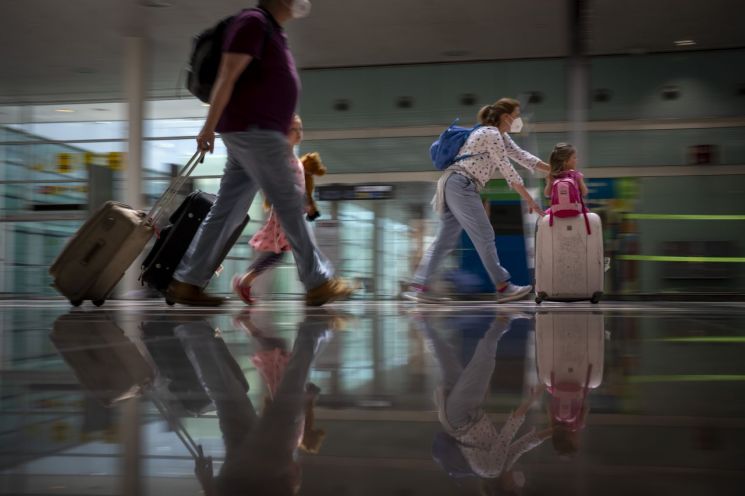
[Asia Economy Reporter Cho Hyun-ui] It has been six months since the world began COVID-19 vaccinations starting with the UK on December 8 last year. As people gradually take off their masks and lockdown measures are eased, expectations for the resumption of overseas travel are rising.
With the introduction of vaccine passports gaining momentum, leading countries in vaccination are taking different stances on foreign entry. As of the 9th, a summary of entry restrictions in major countries shows that the US and the UK allow entry if a negative test certificate issued within 3 days before departure is submitted.
On the other hand, the European Union (EU), which has secured 1.8 billion doses of the Pfizer vaccine, bans entry of all foreigners. Exceptions include long-term residents, family members of EU nationals, and diplomats. Some EU member states such as the Netherlands, Czech Republic, and Germany allow entry from certain countries including Korea.
Russia, which has developed three vaccines of its own, currently bans entry of all foreigners. However, Koreans are allowed visa-free entry if boarding direct flights to Russia.
Especially in Asia, where COVID-19 cases have recently surged, strict measures on foreign entry are being enforced. Asia, once considered a model region for early quarantine measures, now accounts for nearly half of the global confirmed cases, indicating a serious situation.
According to the international statistics site Worldometer, among the 2,893,722 confirmed cases worldwide in the past week, 1,322,193 cases (45.7%) were in Asia.
Taiwan, where cases occurring since around the 15th of last month account for half of the total confirmed cases, prohibits entry of all foreigners until the 18th. Japan, which is proceeding with the Tokyo Olympics, has suspended all new foreign entries until the government declares the end of the state of emergency.
Hong Kong, Asia’s business hub, bans entry of non-residents. Malaysia, the Philippines, and Indonesia prohibit entry of all foreigners.
In contrast, Thailand allows limited entry of foreigners. Those holding a valid visa or eligible for visa exemption must submit a negative test certificate issued within 3 days before departure. However, they must quarantine for 14 days at government-designated facilities after entry.
With the US Department of State lowering travel advisories for major countries including Korea, it is expected that travel restrictions in various countries will gradually ease.
On the 8th (local time), the US Department of State lowered the travel advisory for Korea to the lowest level, Level 1. Travel advisories for 61 countries including Japan were eased from the previous highest Level 4 to Level 3. The travel advisory for China was not changed and remains at Level 3.
The US Department of State’s travel advisories for US citizens are divided into four levels: Level 1 - Exercise Normal Precautions, Level 2 - Exercise Increased Caution, Level 3 - Reconsider Travel, and Level 4 - Do Not Travel.
© The Asia Business Daily(www.asiae.co.kr). All rights reserved.

















