TBS Host Kim Eo-jun's Resignation Petition Receives Blue House Response: "Freedom and Independence Guaranteed Regarding Broadcaster Programming"

[Asia Economy Reporter Ryu Jeong-min] The Blue House stated that the government cannot intervene in the removal of a broadcaster or host in relation to the public petition demanding the removal of the TBS program 'Kim Eo-jun's News Factory' host.
On the 4th, the Blue House responded to the public petition titled 'Demand for the removal of host Kim Eo-jun from Traffic Broadcasting.' Over 350,000 citizens participated in the petition. The petitioner stated, "Traffic Broadcasting (TBS) is a station that reports on Seoul's traffic flow, but host Kim Eo-jun supports only a specific political party and openly disparages opposing parties or politicians, deeply involving himself in elections and politics," demanding his removal.
TBS was launched in 1990 as a radio station under the Seoul Metropolitan Government (Traffic FM Broadcasting Station) and was re-established in February 2020 as an independent foundation, the Seoul Metropolitan Media Foundation TBS. TBS was licensed by the Korea Communications Commission to broadcast "all broadcasting matters centered on traffic and weather broadcasting."
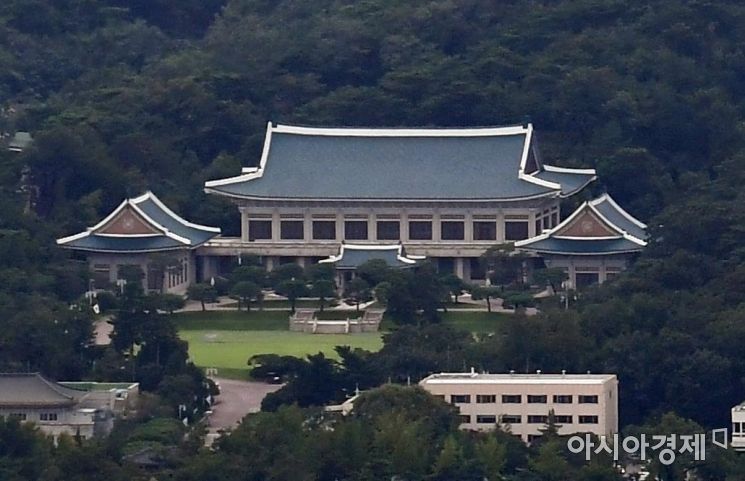
The Blue House stated, "Article 4 of the Broadcasting Act guarantees freedom and independence regarding the programming of broadcasters and prohibits regulation or interference not based on law. Therefore, the government cannot intervene in the removal of a specific broadcaster's host."
However, the Blue House explained, "If the statements of a broadcast host or the content of a broadcast program undermine the public responsibility of broadcasting or violate review regulations, it becomes subject to review by the Korea Communications Standards Commission. Through viewer complaints or the Commission's own monitoring, the fairness, public nature, and compliance with public responsibility of the broadcast are reviewed."
Furthermore, the Blue House added, "If a violation is determined through the review, legal sanctions (such as caution or warning) are imposed on the relevant broadcast program, and these matters are reflected in the Korea Communications Commission's broadcast evaluations and broadcaster license renewal reviews."
© The Asia Business Daily(www.asiae.co.kr). All rights reserved.