Emphasizing Agreement While Invoking Trade Act Section 301 Option
[Asia Economy Reporter Yujin Cho] The U.S. Trade Representative (USTR) announced on the 2nd (local time) that it has decided to impose retaliatory tariffs on countries that have introduced digital taxes targeting its information technology (IT) companies, but will postpone the implementation for six months.
According to U.S. political media outlet The Hill and others, USTR approved imposing a 25% tariff on $2 billion worth of goods from six countries? the United Kingdom, Austria, Italy, Spain, Turkey, and India?while simultaneously deciding to delay the application for six months.
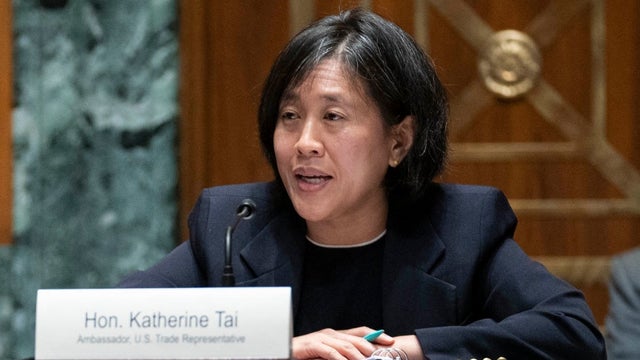
In a statement, USTR Representative Katherine Tai said, "The United States is committed to reaching an agreement on international tax issues through the Organisation for Economic Co-operation and Development (OECD) and the Group of Twenty (G20). This decision will maintain the option to impose tariffs under Section 301 of the Trade Act while allowing time for progress in these negotiations."
This decision is based on the investigation conducted by USTR last June during the Donald Trump administration, which aimed to protect IT companies and targeted 10 countries including the European Union (EU).
In January this year, USTR concluded that these six countries discriminate against U.S. digital companies, violate international tax principles, and impose burdens on American companies.
The six countries have pursued imposing a digital tax on major IT companies such as Google, Amazon, and Facebook, charging a certain percentage of their annual revenue. In response, the U.S. launched an investigation using Section 301 of the Trade Act, which allows retaliatory tariffs on trading partners engaging in unfair practices.
In particular, France, which has already introduced a digital tax, faced threats from former President Donald Trump to impose high tariffs on French products such as champagne, cosmetics, and handbags worth $1.3 billion, but a postponement decision was made last January.
However, while USTR decided to impose tariffs, the six-month delay in actual implementation appears to consider ongoing negotiations on digital tax introduction and the global minimum corporate tax rate setting.
The Biden administration is leading negotiations on setting a minimum tax rate, arguing that the competition to lower corporate taxes among countries weakens U.S. competitiveness and negatively affects the fiscal soundness of individual countries.
© The Asia Business Daily(www.asiae.co.kr). All rights reserved.

















