Liu Guochang, Deputy Governor of the People's Bank of China, "Yuan Maintained at a Reasonable and Balanced Level"
Factors Behind Yuan Strength: Weak US Dollar, China's Economic Recovery, Increased Preference for Yuan Assets
[Asia Economy Beijing=Special Correspondent Jo Young-shin] The People's Bank of China, the central bank of China, reiterated that the yuan will move within a stable range this year and confirmed that there will be no change in monetary policy.
The People's Daily, the official newspaper of the Chinese Communist Party, cited Liu Guochang, Deputy Governor of the People's Bank of China, reporting on the 24th that the recent strengthening of the yuan is the result of supply and demand in the foreign exchange market and changes in the international financial market, and that the yuan is maintaining stability.
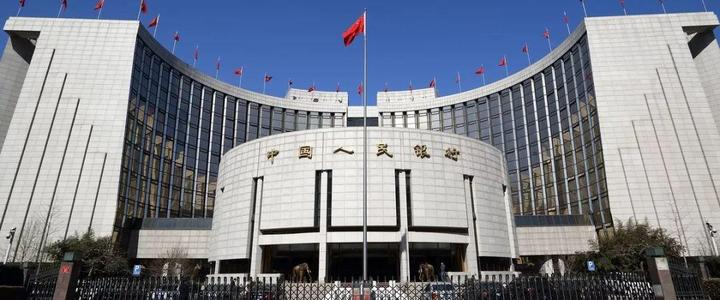
Deputy Governor Liu said, "Currently, the Chinese yuan is being adjusted based on a basket of currencies," adding, "The yuan exchange rate will maintain a reasonable and balanced level." This statement by the Deputy Governor of the People's Bank appears to reaffirm the existing stance of the Chinese monetary authorities that there will be no abrupt changes in monetary policy such as tightening.
Since July last year, the yuan exchange rate had been showing strength but turned weaker earlier this year. From April, the yuan exchange rate shifted back to strength, appreciating by 1.3% in April alone, and further appreciating by 0.5% this month.
The yuan's strength is attributed to the weakness of the US dollar, capital inflows due to China's economic recovery, and increased preference for yuan-denominated assets. In particular, the widening US-China interest rate spread (10-year bonds) has increased overseas capital inflows, which is widely believed to be the reason for the recent strengthening of the yuan.
In the Chinese financial market, given the uncertainties in the global financial market, it is expected that the yuan exchange rate will fluctuate between 6.3 and 6.8 yuan per US dollar. Some speculate that since the yuan's strength could affect import prices, Chinese foreign exchange authorities might intervene in the exchange rate. Deputy Governor Liu's remarks on stable yuan management are interpreted as a preemptive measure to calm market concerns.
Chinese economic media Caixin also reported Deputy Governor Liu's comments on stable yuan management. Caixin analyzed that the yuan exchange rate showed weakness until March but shifted back to a strengthening trend from April, falling to 6.43 yuan per dollar as of the 21st, attributing this to improvements in China's external trade environment, the weakness of the US dollar, and fluctuations in US Treasury yields, among other external factors. It also reported that Deputy Governor Liu's remarks reaffirmed that there is no change in the policy stance of China's foreign exchange authorities.
Meanwhile, the People's Bank of China stated in its first-quarter monetary policy implementation report that it will maintain the yuan exchange rate in a balanced manner to stabilize prices.
© The Asia Business Daily(www.asiae.co.kr). All rights reserved.

















