Emergency Response for Summer Flood and Wind Disaster Preparedness from the 15th to October 31st
Implementation of Step-by-Step Measures Including Prevention, Preparedness, Response, and Recovery
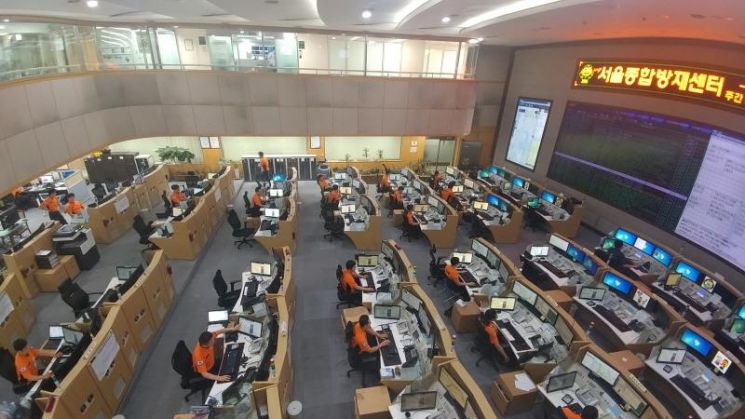
[Asia Economy Reporter Lim Cheol-young] The Seoul Fire and Disaster Headquarters announced on the 14th that it will implement emergency rescue response measures to prepare for summer flood and wind damage from the 15th to October 31st.
The flood and wind emergency rescue response measures promoted by the Fire and Disaster Headquarters are divided into four stages: prevention, preparation, response, and recovery, prioritizing the protection of citizens' lives from summer typhoons or heavy rains.
First, before the summer monsoon season when heavy rains may occur, safety inspections will be conducted in vulnerable areas such as jjokbangchon (small-room villages), and rescue equipment boxes installed in inland waters will be checked. The rescue equipment boxes are installed along major rivers in Seoul and are equipped with life jackets, lifebuoys, and ropes, which anyone can use in emergencies such as rapid currents.
In addition, life-saving equipment such as rescue boats and underwater pumps will be maintained at 100% operational readiness, and training for collapse accidents caused by flood and wind damage as well as water rescue training for rescue personnel will be conducted at each fire station. When a weather advisory is issued, the flood and wind situation rooms of the Fire and Disaster Headquarters and 24 fire stations will switch to an emergency duty system according to the stage. The Seoul Comprehensive Disaster Prevention Center’s main situation room will operate up to 80 emergency communication lines to prepare for a surge in reports, and fire stations and volunteer fire brigades will be deployed to patrol vulnerable targets and eliminate unsafe factors.
The vulnerable targets subject to patrols during flood and wind crisis alerts include 671 locations such as underground passages. In addition, if an accident likely to cause major damage due to heavy rain occurs, fire stations will activate the emergency rescue control team and operate a mass casualty ambulance transport system to promptly carry out life-saving operations.
Once emergency responses such as life-saving are completed, recovery efforts at disaster sites will include drainage and water supply in flooded areas, emergency power support, and safety inspections.
Meanwhile, to prevent water play safety accidents during summer, the Fire and Disaster Headquarters will operate an ‘Ontact Disaster Safety Experience’ through the Boramae and Gwangnaru Safety Experience Centers and a ‘Han River Water Safety Experience Class’ through four water rescue teams along the Han River. The disaster safety experience at the safety experience centers can be accessed via the internet and mobile devices, and reservations for the Han River Water Safety Experience Class will be accepted from the end of July.
Chief Choi Tae-young said, “Since heavy rains and typhoons in summer can lead to significant damage, we will implement thorough emergency rescue response measures,” adding, “Through this, we will make every effort to protect citizens’ lives by responding comprehensively in emergencies.”
© The Asia Business Daily(www.asiae.co.kr). All rights reserved.

















