Active Discussion on Vaccine Booster Shots Amid Variant Spread
Vaccination Willingness Declines Due to 'Adverse Reaction Concerns'
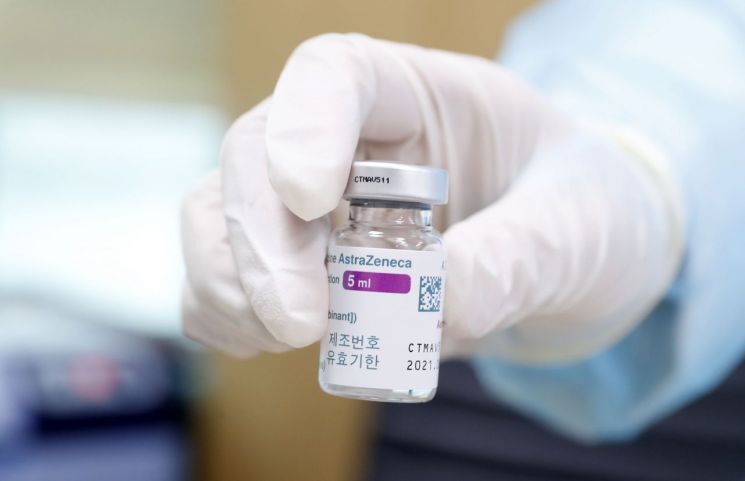
[Asia Economy Reporters Jihee Kim and Chunhee Lee] As the ‘booster shot (additional vaccination)’ to enhance the preventive effect of the COVID-19 vaccine gains momentum mainly in major overseas countries, the need to expand vaccinations is gradually increasing. It is now necessary to consider not only the second vaccination for those who have already received one dose but also the possibility of a third dose. The problem lies in ‘vaccination acceptance.’ As reports of suspected adverse reactions after vaccination accumulate, anxiety toward the vaccine is also growing.
According to the COVID-19 Vaccination Response Promotion Team, as of 0:00 on the 7th, the number of people who received the first dose of the vaccine increased by 41,965, totaling 3,608,616. The number of people who received the second dose also reached a cumulative total of 397,190. So far, the vaccination rate against the total population is 7% for the first dose and only 0.8% for completed vaccination.
With the spread of variant viruses not only overseas but also in Korea, discussions on booster shots are becoming active. According to the Korea Disease Control and Prevention Agency (KDCA), as of the 4th, the total number of infections with the three major variants from the UK, South Africa, and Brazil is 632. Adding 867 people who are epidemiologically linked and thus considered variant infections brings the total to 1,499. Including 473 other variant infections such as the California variant in the US, the total number of variant infections approaches 2,000.
Recently, discussions on vaccinating adolescents have also entered the main track. Pfizer recently applied for emergency use authorization of the COVID-19 vaccine for ages 12 to 15 to the US Food and Drug Administration (FDA) and the European Medicines Agency (EMA) based on Phase 3 clinical trial results. In response, Canada added ‘ages 12 to 15’ to the Pfizer vaccine target group, and vaccination for this age group is imminent in the US as well. KDCA Commissioner Jeong Eun-kyung stated the day before, “I understand that Pfizer Korea will also apply for a change in the vaccination age approval domestically.”
However, as cases of adverse reactions after vaccination have become known, they are becoming obstacles to expanding vaccination. According to a ‘COVID-19 related perception survey’ conducted by Korea Research on 1,000 adults aged 18 and over from April 27 to 29, commissioned by the Central Disaster and Safety Countermeasure Headquarters and the Ministry of Culture, Sports and Tourism, the proportion of those willing to get vaccinated was 61.4%, down 6.6 percentage points from 68% in the previous survey (March 17-18). The most common reason for hesitation was ‘concern about adverse reactions.’ The day before, with the report of two deaths among medical staff after vaccination, concerns among medical personnel awaiting the second dose have increased.
Experts point out that while the vaccination pace is accelerating, more effective incentives for vaccination and strengthening the choice regarding vaccination are necessary. Professor Eun-mi Cheon of the Department of Respiratory Medicine at Ewha Mokdong Hospital said, “Currently, government incentives such as exemption from self-quarantine for overseas travel and contact visits to nursing hospitals are limited to some groups and have limitations as vaccination incentives,” adding, “Providing vaccines that people want to receive is the most effective way to increase vaccination rates.” She further stated, “Once vaccination of nursing facilities and medical personnel is completed, those who want to receive the AstraZeneca vaccine, which has high social concerns about side effects, should be allowed to get vaccinated without age restrictions.”
Meanwhile, as of 0:00 on the same day, 525 new COVID-19 cases were reported, including 509 domestic cases and 16 imported cases. The weekly average daily domestic cases, a key indicator for adjusting social distancing levels, was 554.
© The Asia Business Daily(www.asiae.co.kr). All rights reserved.
![Clutching a Stolen Dior Bag, Saying "I Hate Being Poor but Real"... The Grotesque Con of a "Human Knockoff" [Slate]](https://cwcontent.asiae.co.kr/asiaresize/183/2026021902243444107_1771435474.jpg)
















