"Anxious Ahead of the 52-Hour Workweek System
Implementation for Small Businesses with 5-49 Employees Starting July 1
Shortage of Foreign Workers Due to COVID-19 Causes Uproar
'Need to Reconsider Application Timing or Provide Guidance Period'"
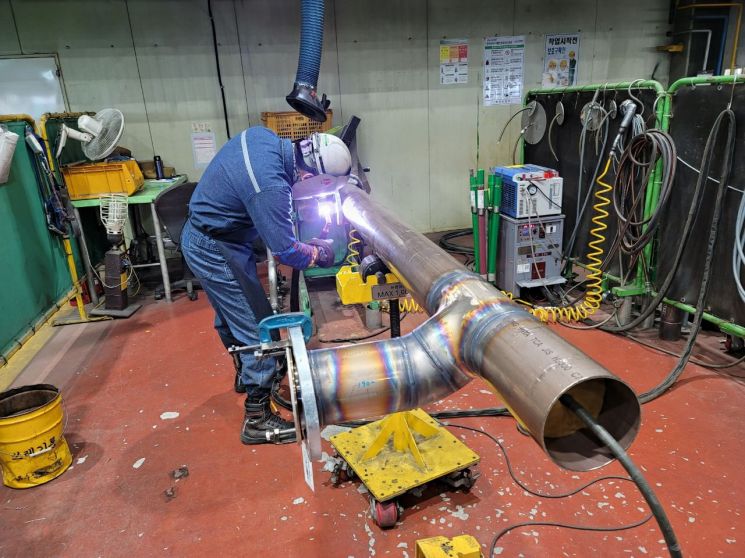
# Hwang, who runs a small business in the Gyeongbuk region, recently met with the CEO of Company A, who said they planned to "split their workplace." The CEO intended to use a loophole by dividing the existing workplace into two businesses with fewer than five employees each to avoid the 52-hour workweek regulation. Hwang said, "The CEO of Company A said he would register a business under his wife's name and transfer some employees to the new company," adding, "If we stay silent, we might become lawbreakers. I wondered how desperate they must be to resort to such methods."
According to industry and government sources on the 3rd, the 52-hour workweek system is scheduled to be expanded to small and medium-sized enterprises with 5 to 49 employees starting July 1. Small businesses struggling due to COVID-19 are anxiously awaiting the introduction of the 52-hour workweek, which is just two months away. Loopholes like splitting workplaces into units with fewer than five employees, as in Company A's case, are being exploited because the Labor Standards Act does not apply to workplaces with fewer than five employees.
Reducing working hours inevitably requires hiring additional staff. However, small manufacturing companies lack the capacity to recruit new employees and find it difficult to find people willing to work. Kim, the CEO of a machine parts company located in Gimpo, Gyeonggi Province, lamented, "Even when we offer scholarships to students at local technical high schools for three years, recruitment is difficult," adding, "To implement the 52-hour workweek, we need to increase the number of employees by nine, but the supply of foreign workers has also become difficult due to COVID-19."
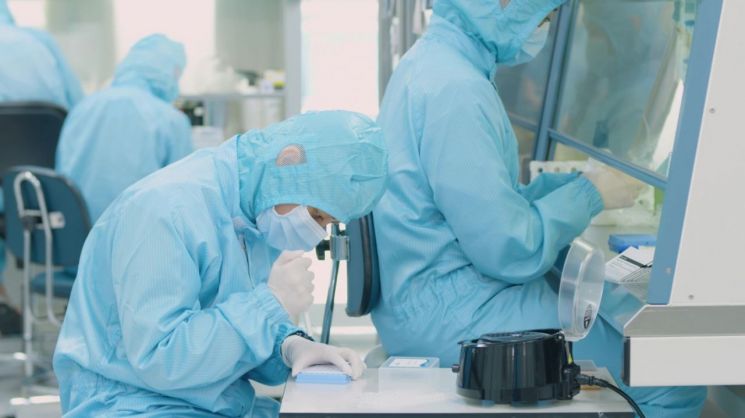
Systems designed to complement the 52-hour workweek, such as the flexible working hours system, are often ineffective in the field. The flexible working hours system shifts working hours from one week to another when more hours are needed, but the absolute limit of '52 hours per week' remains unchanged. Lee Su-kyun, director of the Busan-Gyeongnam Mold Industry Cooperative, said, "In factories, even if one employee is absent, work often cannot proceed properly, making it difficult to even take annual leave," adding, "The flexible working hours system may not be very effective in core manufacturing industries."
Professor Lee Jeong-hee of Chung-Ang University, former president of the Korea Small and Medium Business Association, said, "The impact of COVID-19 on the entire industry has been enormous," and added, "Since unexpected situations have occurred, even if there is a fixed schedule at the institutional level, if problems arise during implementation, the timing of application should be reconsidered." Professor Lee further stated, "Before COVID-19, small and medium enterprises might have been able to handle the 52-hour workweek, but the situation is different now," and emphasized, "We need to understand the difficulties on the ground, such as the difficulty in securing foreign workers, and discuss again the parts that require adjustment."
© The Asia Business Daily(www.asiae.co.kr). All rights reserved.


















