Surge in 'Should I Withdraw My Deposits?' Inquiries
Union Ready to Strike and Take Other Disputes
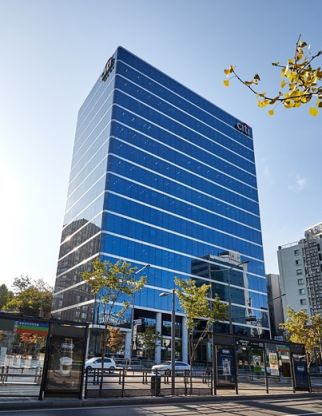
[Asia Economy Reporter Kim Hyojin] The decision by Citibank Korea to withdraw from retail banking in South Korea has sparked strong opposition from labor unions and growing concerns among consumers, making the repercussions increasingly visible. The confusion is expected to continue for some time as it remains unclear when and how the withdrawal will take place.
Citibank Korea is scheduled to hold a board meeting soon to discuss its retail banking exit strategy. Within the financial sector, options such as selling all or part of the retail banking division, gradually downsizing, or completely shutting down the business are being considered.
According to financial sources on the 19th, since Citigroup announced its plan to exit domestic retail banking on the 15th, there has been a surge in consumer inquiries about whether they should withdraw their deposits in advance. The volume of inquiries has reportedly increased by about 20-30% compared to usual.
Citibank Korea posted a notice on its online homepage stating, "There will be no changes to customer services until specific plans are finalized," and "Customer-facing operations, including branch services and call centers, will continue as usual." The bank's position is that no abnormal signs such as a bank run (mass withdrawal of deposits) have been detected so far.
Another variable concerning Citibank Korea's future actions is the stance of the labor union. The Korea Citibank branch of the National Financial Industry Labor Union (Financial Labor Union) formed an emergency response committee on the same day and began taking action. The union is keeping all options open, including strong disputes such as a general strike and public opinion campaigns through the media and political circles.
The biggest point of interest is the method of Citibank Korea's withdrawal. So far, options being considered include selling the retail banking division?such as wealth management (WM) and credit cards?either separately or as a whole, or gradually downsizing and liquidating the business, ultimately leading to its closure.
Within the financial sector, there are estimates that the value of Citibank Korea's retail banking division could be in the 2 trillion won range. There is also speculation that some regional financial groups and savings bank financial groups might step in as buyers. DGB Financial and OK Financial are specifically mentioned as potential candidates.
Citibank Korea will hold a board meeting on the 27th. It is expected that the board will discuss detailed methods for business liquidation based on Citigroup's policy.
Gradual Business Closure Expected if Sale Fails
If a sale proves difficult, gradual closure will be the only remaining option. HSBC previously restructured its retail banking by workforce reductions and asset transfers in 2013.
Such a scenario is likely to intensify opposition and conflicts with the labor union. Citibank Korea employs about 3,500 people, of whom approximately 2,500, or over 70%, work in the retail banking division. Retail banking accounts for about half of the bank’s total revenue.
The union has previously taken a hardline stance, stating, "Neither sale nor withdrawal will be decided solely by the headquarters."
© The Asia Business Daily(www.asiae.co.kr). All rights reserved.

















