By the 30th of next month, 40,000 rabies bait vaccines to be distributed in raccoon dog habitats such as Bukhansan and Yangjaecheon
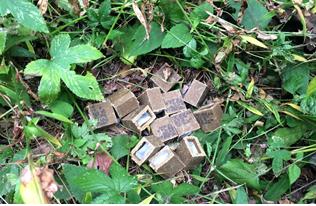
[Asia Economy Reporter Lim Cheol-young] The Seoul Metropolitan Government announced that from the 19th to May 30th, it will distribute 40,000 "wildlife rabies bait vaccines" in mountain areas such as Bukhansan and raccoon dog habitats like Yangjaecheon to prevent rabies transmitted through wild raccoon dogs and other animals.
The "wildlife rabies bait vaccine" being distributed this time is an oral rabies vaccine, which contains the vaccine inside fish cake or chicken paste so that wild animals such as raccoon dogs can eat the bait and prevent rabies.
The bait vaccine distribution areas include major raccoon dog habitats such as Bukhansan, Dobongsan, Suraksan, Bulamsan, Gwanaksan, Yongmasan, Gwanaksan, Umyeonsan, Daemosan, and areas where raccoon dogs frequently appear such as Yangjaecheon, Tancheon, and Anyangcheon.
The bait vaccine will be distributed in groups of about twenty at intervals of 50 to 100 meters along a total of 115 km, forming a rabies prevention belt around the outskirts of Seoul to proactively block the occurrence of rabies caused by wild animals.
The Seoul Metropolitan Government urged citizens not to touch the wildlife rabies bait vaccine if they find it under trees or in bushes during hiking. If touched by humans, the scent may transfer, causing wild animals to avoid eating it. Rabies is present in the saliva or mucous membranes of wild raccoon dogs, and symptoms appear after an incubation period of about one month. If bitten by an animal, the wound should be washed with soapy water and medical attention should be sought immediately.
Pets must wear leashes during outdoor activities to avoid contact with wild animals. If a pet comes into contact with an animal suspected of having rabies, it should be reported to quarantine authorities and treated at a veterinary hospital. Symptoms of animals infected with rabies include easy excitability or hypersensitivity with aggressive behavior, foaming at the mouth, and in severe cases, unconsciousness followed by death.
Since 2006, Seoul has been distributing wildlife rabies bait vaccines every spring and autumn to ensure the safety of citizens and their pets. Park Yumi, Director of the Seoul Metropolitan Government’s Citizen Health Bureau, said, "We will strive to completely block rabies, a zoonotic disease, from the wildlife stage to ensure the safety of both citizens and pets," and added, "We ask that you avoid contact with wild animals during spring hikes."
© The Asia Business Daily(www.asiae.co.kr). All rights reserved.

















