Production Facilities and Efficacy Centers Serve as Supply Bases for Marine Bio Materials
[Asia Economy Honam Reporting Headquarters Reporter Choi Kyung-pil] Wando-gun, Jeollanam-do (Governor Shin Woo-cheol) is actively promoting the marine bioindustry based on the nation’s largest seaweed production volume.
According to Wando-gun on the 16th, the bioindustry has gained attention as advanced countries and global pharmaceutical companies focus on developing vaccines and treatments amid the worldwide spread of COVID-19.
Among them, the marine bioindustry utilizes marine bioresources obtained from the sea, home to about 300,000 species of life, which accounts for more than 80% of Earth's biological species.
In particular, commercially developed marine biological resources account for less than 1%, making it a highly promising industry. Wando-gun is fostering the marine bioindustry using seaweed among marine biological resources.
The marine bioindustry using seaweed produces pharmaceuticals, medical materials, health functional foods, and functional cosmetics from alginate (used for tissue regeneration of cartilage, bones, muscles, blood vessels, etc.) and fucoidan (anticancer effects) obtained from seaweed such as miyeok and dashima, with an annual growth rate of 17%, indicating great development potential.
Wando-gun, which accounts for about 40% of the nation’s seaweed production, plans to develop into a bio-material supply base based on seaweed in cooperation with the Ministry of Oceans and Fisheries.
In January, the government announced the ‘Global Marine Bio Market Preemption Strategy’ to be pursued until 2030 to revitalize the marine bioindustry, designating Wando-gun as a specialized bio-material supply base hub.
In connection with this strategy, the county is making various efforts to develop seaweed produced in Wando into high value-added products through the establishment of marine bio research and production infrastructure.
First, this year, a new national subsidy project called ‘Establishment of Seaweed Active Material Production Facility’ will be promoted, with a total investment of 25 billion KRW over five years.
This project aims to establish a supply system for raw materials by extracting functional substances from Wando-produced seaweed for health functional foods, pharmaceuticals, and functional cosmetics, addressing difficulties faced by marine bio companies in raw material supply.
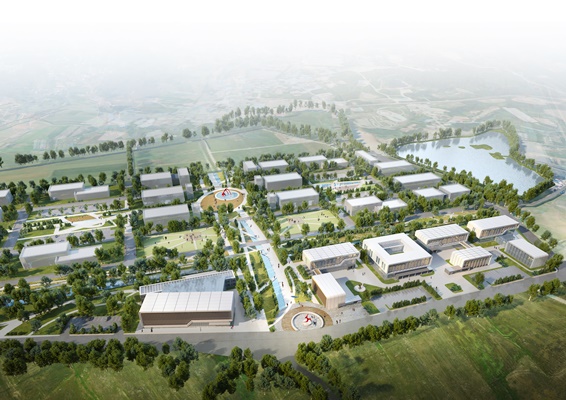
Additionally, various marine bio research infrastructures are being established centered on the marine bio research complex planned in Sinji-myeon, Wando-gun.
With an investment of 11 billion KRW, a marine bio joint cooperation research institute will be built to attract 10 domestic and international corporate research institutes and 30 startups, supporting excellent research outcomes to be industrialized.
Beyond infrastructure, various projects are underway, including R&D collaborations with domestic and international marine bio research institutes to promote marine bio industrialization, development of bioactive materials, and establishment of an efficacy evaluation demonstration support center for functional analysis and certification of seaweed.
A smart farm aquaculture project, a mass production facility to maintain uniform quality and stable supply of seaweed used as marine bio materials, is also planned.
Governor Shin Woo-cheol stated, “The marine bioindustry using seaweed can only succeed through close cooperation among aquaculture fishermen, research personnel, and companies, so research and production facilities must be located in Wando.” He added, “We expect the marine bioindustry to greatly contribute to increasing fishermen’s income, creating good jobs, and revitalizing the local economy.”
The county plans to create new future food sources by linking the marine bioindustry with the marine healing industry through the development and commercialization of various products.
© The Asia Business Daily(www.asiae.co.kr). All rights reserved.

















