Inspection of Hygiene Management at 447 Water Purification Plants Nationwide
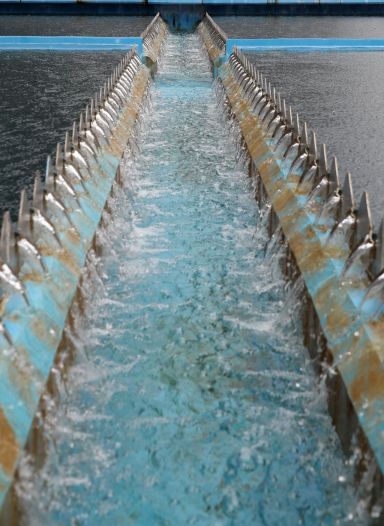
[Sejong=Asia Economy Reporter Joo Sang-don] According to the Ministry of Environment's inspection results of water purification plants, a small amount of midge larvae was found in the purified water at five plants, including Yeoncheon and Dongducheon in Gyeonggi Province, Seongju in Chungnam, Goam in Chungbuk, and Sanyang purification plant in Gangwon Province. The Ministry of Environment has completed measures to block the larvae.
To prevent and manage the occurrence of larvae in tap water, the Ministry of Environment conducted hygiene management inspections and follow-up actions at 447 water purification plants nationwide from March 15 to April 12 this year, and announced the results on the 15th.
The inspection found a small amount of midge larvae in the purified water at five purification plants, and larvae were detected in the raw water and purification process at 18 plants.
The Ministry of Environment took measures such as switching water sources to regional water supply systems, strengthening purification processes, cleaning purification and distribution reservoirs, and installing larvae blocking nets at the five plants where larvae were found in the purified water to prevent the spread of larvae to consumers supplied with tap water. As a result, no reports of larvae detection have been received from those areas.
An official from the Ministry of Environment explained, "In the case of the Yeoncheon and Dongducheon purification plants in Gyeonggi Province, which use the same water intake source, larvae entered the raw water and were not removed during the treatment process, resulting in their detection in the purified water. At Seongju purification plant in Boryeong, Chungnam, larvae were found in backwash water and purified water, and it was confirmed that some insect screens were damaged and the cleanliness inside the purification reservoir was insufficient." Backwash water is water used to wash away residues or impurities such as activated carbon or lime sludge during the tap water purification process.
Although larvae were not found in the purified water, the Ministry of Environment is monitoring 18 purification plants where larvae were detected in raw water, filter walls, and backwash water by implementing larvae blocking measures and installing strainers at each treatment process. So far, no larvae have been found in the purified water of these plants.
During this inspection, the Ministry of Environment identified 32 purification plants with issues such as reduced backwash performance, inability to perform air backwash, poor filter media layers, and absence of chemical treatment processes. The Ministry plans to provide technical support and improvement plans to the relevant local governments and newly include these in next year's budget for improving hygiene management at water purification plants.
Shin Jin-su, Director of the Water Integration Policy Bureau at the Ministry of Environment, said, "We will make every effort to thoroughly manage the entire process from raw water to tap water production and supply in cooperation with local governments to provide tap water that the public can drink safely without worrying about larvae."
© The Asia Business Daily(www.asiae.co.kr). All rights reserved.

















