Emphasized that it is a recommendation to stop use, not an order
Explained that risk is very low one month after vaccination
Possibility of resuming vaccination in a few days
CDC begins review process
White House: "Sufficient Pfizer and Moderna supply, vaccination plan on track"
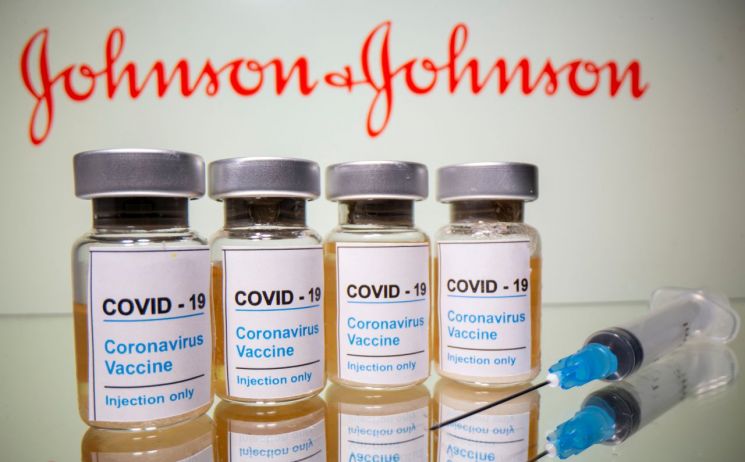
[Asia Economy New York=Correspondent Baek Jong-min] U.S. health authorities have advised a pause in the use of Johnson & Johnson (J&J)'s COVID-19 vaccine but urged those already vaccinated not to worry and to contact their doctors if they experience any unusual symptoms. There is also speculation that the pause recommendation could be lifted within a few days.
Anne Schuchat, Deputy Director of the U.S. Centers for Disease Control and Prevention (CDC), said during a press briefing on the 13th (local time) regarding the J&J vaccine pause recommendation that the risk is "very low" for those who received the vaccine more than a month ago.
Deputy Director Schuchat stated, "There will be some very concerning cases among those vaccinated with this vaccine, but for those who received it more than a month ago, the risk is currently very low."
However, she advised, "People who have been vaccinated within the last one to two weeks should closely monitor their symptoms. If you experience severe headache, abdominal pain, leg pain, or shortness of breath after vaccination, you should contact healthcare providers."
Carlos del Rio, Associate Dean of the Emory University School of Medicine, also said that people who received the Janssen vaccine "are likely to be okay" and advised "not to panic." Professor del Rio described the health authorities' decision to recommend a pause as the "right action."
Peter Marks, Director of the FDA's Center for Biologics Evaluation and Research (CBER), said that the blood clot symptoms linked to the J&J vaccine may be the result of an immune response.
Marks added, that the pause was recommended as a precautionary measure, but it is not mandatory, and doctors and patients can decide to proceed with vaccination after consultation.
He said, "If an individual doctor talks with an individual patient and determines that the benefits and risks are appropriate, we would not discourage that doctor from administering the J&J vaccine because in many cases, vaccination can be overall beneficial."
Janet Woodcock, Acting FDA Commissioner, stated that the pause on the J&J vaccine is expected to be a matter of days.
Acting Commissioner Woodcock said, "We expect this pause to be an issue lasting a few days."
According to the CDC, approximately 16 million doses of the J&J vaccine have been distributed to states and territories in the U.S., with about 6.8 million doses actually administered.
According to the Associated Press and others, the CDC and FDA issued a joint statement on the same day recommending a pause after reviewing six cases of 'rare and severe' blood clotting disorders in people who received the J&J vaccine. There have also been deaths due to blood clot complications following the J&J vaccine.
The CDC plans to convene an emergency meeting of the Advisory Committee on Immunization Practices (ACIP) on the 14th to discuss re-evaluating the safety of the J&J vaccine.
The White House stated that even if J&J's COVID-19 vaccine administration is paused, it will not significantly impact the national vaccination plan.
The White House explained that the current pace of 3 million doses per day can be maintained with Pfizer and Moderna vaccines alone, and they are working with state and federal authorities to ensure that J&J vaccine appointments are quickly switched to Pfizer or Moderna vaccines.
© The Asia Business Daily(www.asiae.co.kr). All rights reserved.

















