KIST Researchers Discover Mass Cultivation Method for Bok Choy Rich in Functional Components in Smart Farms
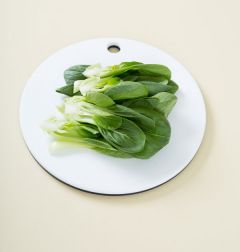
[Asia Economy Reporter Kim Bong-su] As demand for health functional foods has increased since COVID-19, a domestic research team has attracted attention by successfully mass-producing bok choy with high effectiveness in obesity prevention in a smart farm.
The Korea Institute of Science and Technology (KIST) announced on the 11th that Dr. Yoo Ji-hye’s research team at the Smart Farm Convergence Research Center succeeded in producing functional bok choy with significantly increased content and yield of glucosinolate, an anti-obesity compound, in an artificial light-type plant factory (smart farm) that supplies light to plants using artificial lighting facilities.
Bok choy is a globally high-demand vegetable enjoyed in various ways from salads to cooked dishes and is a plant with a high glucosinolate content. It is an anti-obesity compound that inhibits fat accumulation in adipose tissue and the liver and reduces inflammation. However, simply consuming bok choy does not provide enough glucosinolate intake to suppress metabolic diseases. The glucosinolate content varies greatly depending on cultivation environmental conditions such as temperature, humidity, and moisture content, and it is vulnerable to pests and diseases, requiring the use of pesticides when cultivated outdoors.
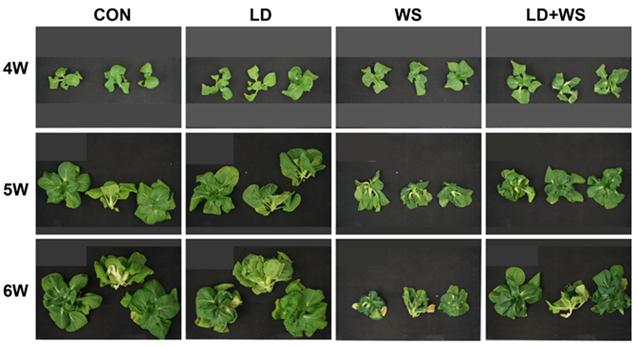
Accordingly, the KIST research team identified the optimal cultivation conditions for maximum glucosinolate production by varying factors such as nutrient solution and light conditions. As a result, they confirmed that the glucosinolate content in bok choy increased by about 2.4 times and the yield more than doubled.
Vegetable cultivation using smart farms is no longer an unfamiliar scene, but due to high installation and maintenance costs, it has been difficult to achieve economic feasibility with general vegetable production, and thus it has not been widely used despite technological advancements. The ability to produce high-functional food raw materials that can prevent diseases in smart farms, as demonstrated in this study, is expected to play a significant role as a stepping stone for the full-scale industrialization of smart farms domestically and internationally.
Dr. Yoo Ji-hye stated, “We plan to conduct human application trials targeting Canadian Indigenous peoples, who are facing high rates of metabolic diseases,” and added, “We expect that the bok choy developed this time will lead to the development of new functional foods that can help people escape the threat of metabolic diseases, which are considered chronic illnesses of modern society.”
The results of this study were published in the latest issue of the international academic journal in the agricultural and food sector, ‘Food Chemistry’ (JCR field top 3.96%).
© The Asia Business Daily(www.asiae.co.kr). All rights reserved.
![User Who Sold Erroneously Deposited Bitcoins to Repay Debt and Fund Entertainment... What Did the Supreme Court Decide in 2021? [Legal Issue Check]](https://cwcontent.asiae.co.kr/asiaresize/183/2026020910431234020_1770601391.png)















