Rising Jeonse Prices Nearing Sale Prices
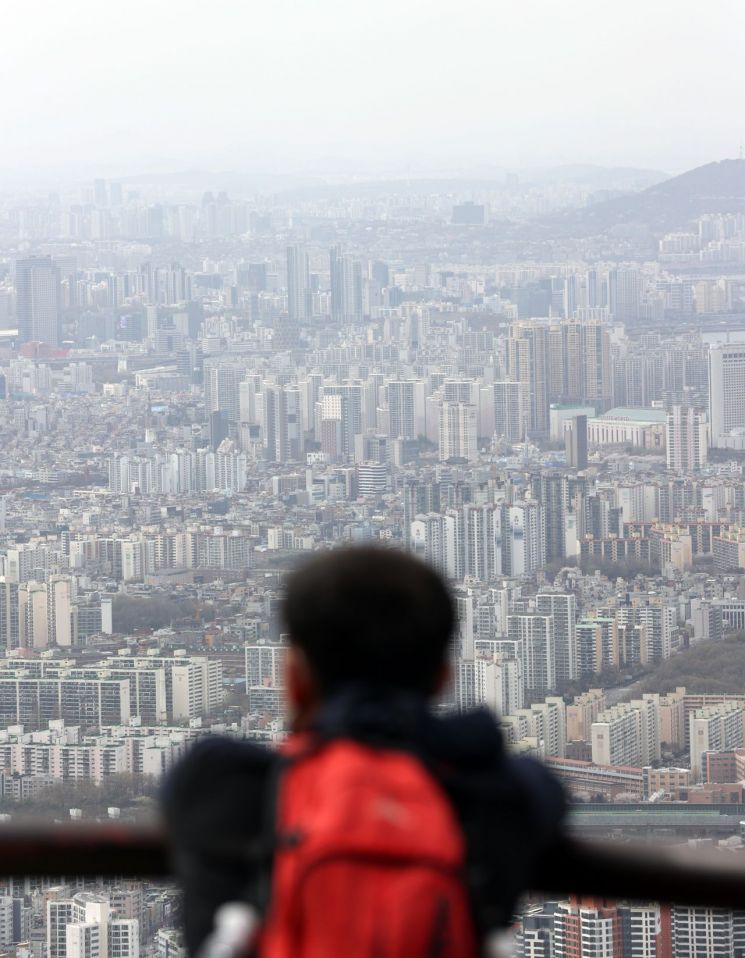
As apartment jeonse prices surge, so-called ‘empty-can jeonse’?where the gap between sale prices and jeonse prices is almost nonexistent?is occurring repeatedly in the Seoul metropolitan area. This is the aftershock of the rapid rise in jeonse prices following the implementation of the new Housing Lease Protection Act, including the right to request contract renewal and the cap on jeonse and monthly rent increases. Caution is required as there is a possibility that if housing prices decline, the sale price and jeonse price could reverse, leaving tenants unable to recover their deposits even after the contract period ends.
According to the Ministry of Land, Infrastructure and Transport’s actual transaction price system on the 6th, cases where apartment jeonse prices approach sale prices are increasing, mainly in the outskirts of the metropolitan area.
For example, a 59㎡ (exclusive area) apartment in Majeon-dong, Incheon, was sold for 310 million KRW in February, while the jeonse transaction for the same month was concluded at 300 million KRW, only 10 million KRW lower. Similarly, an 84㎡ apartment in Byeongjeom-dong, Hwaseong-si, Gyeonggi Province, saw the gap between sale and jeonse prices nearly disappear. The jeonse transaction in February was 330 million KRW, while the sale price ranged from 327 million KRW to 350 million KRW in the same month. This represents a reversal phenomenon where the jeonse price exceeded the lowest sale price. An 84㎡ apartment in Geumam-dong, Osan-si, also showed almost no difference between sale and jeonse prices. The sale price in February ranged from 310 million KRW to 365 million KRW, while the actual jeonse transaction price reached 310 million KRW. Additionally, a 126㎡ apartment in Giheung-gu, Yongin, was confirmed to have a jeonse price of 530 million KRW in January, which was 10 million KRW higher than the sale price of 520 million KRW.
This phenomenon is attributed to the implementation of the new lease law at the end of July last year. As the tenant’s effective residence guarantee period increased from 2 years to 4 years, the circulating jeonse supply sharply decreased, driving jeonse prices up rapidly. In Seoul, the average jeonse price (598.29 million KRW) has risen to the level of the sale price from four years ago (598.61 million KRW) due to the surge in jeonse prices.
There is also analysis that landlords raised jeonse prices in advance considering the right to request contract renewal. Since the right to request contract renewal guarantees a maximum 4-year jeonse contract with a 5% cap on rent increase, landlords are said to be reflecting the market price increase over 4 years in advance when offering jeonse. A representative from a real estate agency in Yongin stated, "Jeonse contracts close to sale prices are cases of new contracts rather than renewals."
Professor Seo Jin-hyung of Gyeongin Women’s University (President of the Korean Real Estate Society) advised, "When the gap between sale prices and jeonse prices narrows, there is a risk of empty-can jeonse. When entering into a lease contract in areas with a small gap, it is essential to check whether there is a senior mortgage and to confirm the market price in case the property goes to auction, to ensure the safe recovery of the jeonse deposit."
Meanwhile, jeonse prices in the metropolitan area have recently shown signs of stabilization. According to the Korea Real Estate Board, the weekly apartment jeonse price in Seoul rose by 0.03% in the fifth week of March (as of the 29th), narrowing the increase from the previous week (0.04%). Seoul apartment jeonse prices surged to weekly rates of 0.14?0.15% in November?December last year, then eased to 0.13% in January, 0.07% in February, and 0.04% in March. Gyeonggi Province also saw the increase slow from 0.13% to 0.12%.
© The Asia Business Daily(www.asiae.co.kr). All rights reserved.

















