Addition of Real Estate Transaction Act to LH3+1 Law
Starting from Land Speculation Using Non-public Information by Public Officials
Prime Minister Jeong Sye-gyun Declares 'War on Real Estate Crimes'
Includes Regulations on Overall Unfair Practices Such as Actual Transaction Price Manipulation
Experts Advise Refining Details Considering Multiple Scenarios
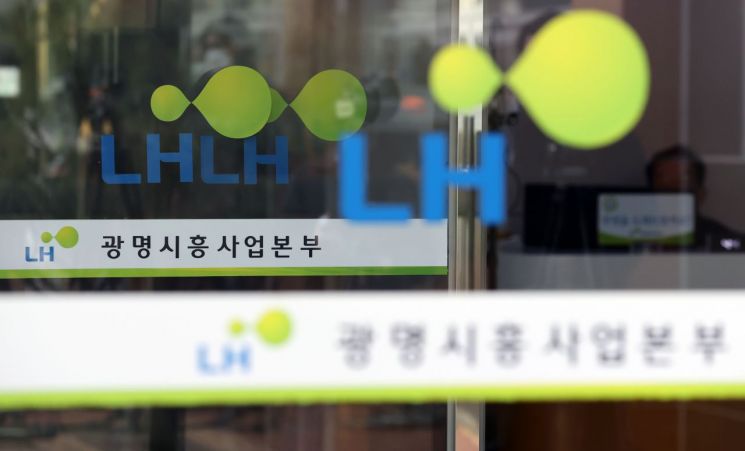
[Asia Economy Reporter Koo Chae-eun] The ruling party and government, faced with the adverse effects stemming from LH, have declared a ‘war on real estate crimes,’ expanding the front from ‘public officials’ speculation’ to a broader crackdown on ‘unfair market practices.’ The intention is to reform overall unfair practices in the real estate market through this initiative, but ‘public outrage’ remains a variable. Since the issue originated from the moral hazard of public officials and is now being used as a pretext to regulate all market participants, it could become a misstep of over-legislation.
According to the National Assembly on the 12th, the Democratic Party of Korea plans to pass the ‘LH 5 Laws’ within this month, which includes the originally proposed 3+1 laws (Special Act on Public Housing, Public Officials Ethics Act, Korea Land and Housing Corporation Act, Conflict of Interest Prevention Act) plus the Real Estate Transaction Act (establishing the Real Estate Transaction Analysis Institute). On the previous day, Prime Minister Chung Sye-kyun, during the announcement of the joint investigation team’s first investigation results, stated, “The government declares war on real estate crimes,” emphasizing, “We will prepare and strongly enforce special measures to crack down on illegal and unfair acts rampant in the real estate market, such as false listings, planned real estate schemes, and fly-by-night operators.”
The newly added Real Estate Transaction Act includes provisions to crack down on unfair practices in general, such as prohibiting the use of undisclosed development information like in the LH case (Article 78), introducing an electronic contract system for real estate transactions, banning price manipulation, prohibiting the dissemination of false information such as false listings, and establishing the Real Estate Transaction Analysis Institute.
The problem is that this law demands a comprehensive reform of real estate transaction contracts (introduction of electronic contract systems, registration system for real estate sales businesses, prohibition of false listing advertisements, establishment of the Real Estate Transaction Analysis Institute), which requires sufficient deliberation and review.
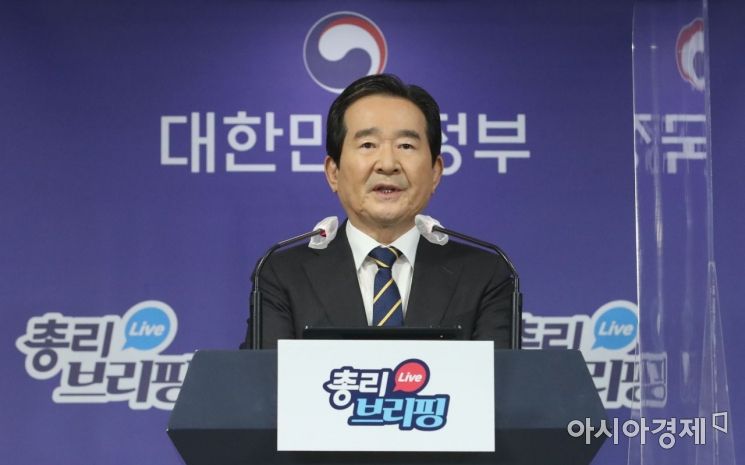 Prime Minister Chung Sye-kyun is announcing the results of the first comprehensive investigation into LH employees' speculation in new towns on the 11th at the Government Seoul Office in Jongno-gu, Seoul. Photo by Kang Jin-hyung aymsdream@
Woo Byung-tak, team leader of Shinhan Bank’s Real Estate Investment Advisory Center, stated, “The rationale and principle of preventing unfair market order are desirable,” but added, “If such laws are rapidly pushed forward without a deliberation process, side effects such as contraction of transactions by actual buyers and confusion among market participants may occur, similar to tax law amendments. It is necessary to consider various scenarios and refine the details of the bill.” Professor Shim Kyo-eon of Konkuk University’s Department of Real Estate said, “It is inappropriate to extend an issue that started from public officials’ pursuit of private interests to the entire market where free transactions should take place,” pointing out, “The definition of false listings is also vague, which could stifle the market’s decision-making process.”
Jin Sung-jun, a member of the Land, Infrastructure and Transport Committee who proposed the bill, told this publication in a phone interview, “The law only allows investigation of suspicious transactions that account for 2% of the total, so it is an exaggeration to say this law will stifle free market transactions,” adding, “The real estate market has a larger transaction volume compared to the stock market, but the means to crack down on unfairness have been insufficient, allowing cheating or privileges. We will discuss this from the perspective of making transaction order transparent.”
© The Asia Business Daily(www.asiae.co.kr). All rights reserved.


















