"Recording with millimeter-level precision and gigapixel resolution even in areas invisible to the naked eye"
Expected use as basic data for cultural heritage restoration and as original content resources for the cultural industry
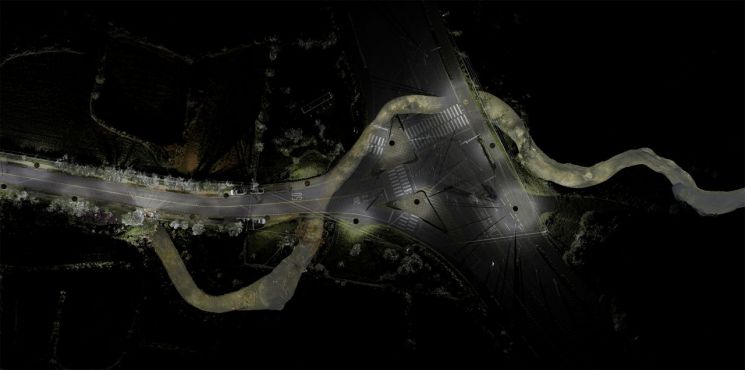
The Cultural Heritage Administration announced on the 11th that it will gradually promote a 3D database (DB) construction project by investing 71.3 billion KRW by 2025.
Approximately 4,000 nationally designated and registered cultural properties (excluding paper materials, etc.) are targeted. Using digital data acquisition methods, cultural properties will be digitized without damage. An official stated, "We will utilize broadband and precision laser scanning, photogrammetry, hyperspectral and thermal imaging optical sensors from both ground and aerial perspectives," adding, "Accurate size, shape, color, and texture will be recorded with millimeter (mm) level precision and gigapixel resolution, even in areas not visible to the naked eye."
The permanently preserved project outcomes will serve as basic data for original restoration in case of loss or damage to cultural heritage due to disasters. They will also be opened as source content resources for cultural industries such as immersive content production, non-face-to-face education and tourism, webtoons, games, movies, exhibitions, and design.
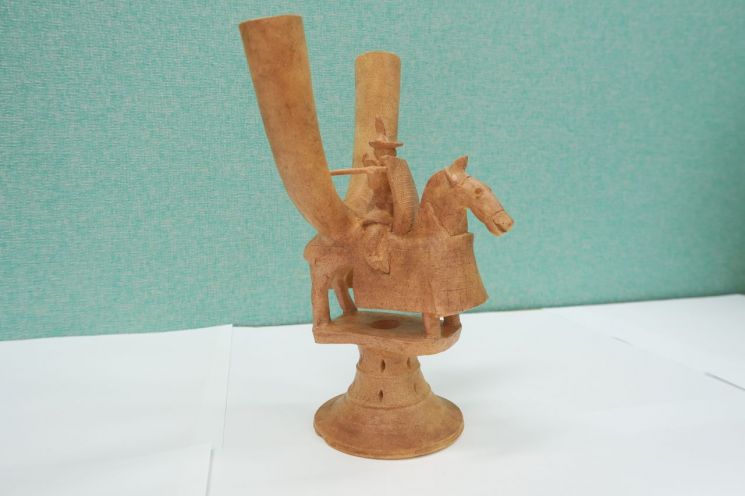
Since 2018, the Cultural Heritage Administration has processed accumulated data to be used for 3D printing and opened it on the National Cultural Heritage Portal. By December last year, about 7,000 cases were utilized for educational aids, tourism content, exhibitions, and research. An official said, "To use 3D data, citizens must obtain individual filming permissions for cultural properties, and high-level expertise and expensive equipment operation costs are incurred," adding, "We expect the scope of access and utilization to expand through this project."
The Cultural Heritage Administration plans to gradually build 3D spatial information services, digital twins of cultural heritage, and digital cultural heritage content platforms by integrating advanced digital technologies with the project outcomes. The 3D spatial information service is a system that allows immersive exploration of non-public areas and pre-damage appearances without spatial or temporal constraints. A digital twin means replicating real cultural properties and their surroundings identically in a 3D virtual space to be used for scientific decision-making such as cultural property restoration, surrounding environment maintenance, disaster prevention, and land regulation complaint handling. The digital cultural heritage content platform refers to a system where users can receive customized recommendations of source data necessary for cultural heritage content production and enhance the added value of personally created content for trading.
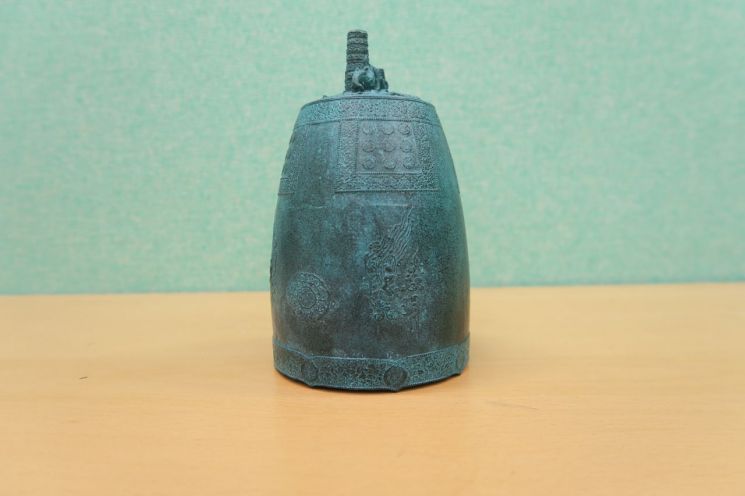
The 3D DB construction project will be conducted targeting 1,460 nationally designated and registered cultural properties in Gyeongbuk, Daegu, Gyeongnam, Busan, Ulsan, and Jeju by next year. From 2023 to 2024, it will target Jeonnam, Jeonbuk, Chungnam, and Chungbuk, and in 2025, Seoul, Gyeonggi, and Gangwon regions. A call for service providers will be announced starting this month. For more details, refer to the Public Procurement Service's national comprehensive electronic procurement system, Nara Market website.
© The Asia Business Daily(www.asiae.co.kr). All rights reserved.



















