[Asia Economy Reporter Lim Chun-han] Japan is facing difficulties in securing COVID-19 vaccines as originally planned. The introduction of contracted doses has been delayed, effectively postponing vaccinations, and the number of vaccinated people has already been surpassed by South Korea, which started vaccinations later.
Local media reported on the 7th that in Japan, as the expected supply of COVID-19 vaccines next month is forecasted to be lower than initially anticipated, more local governments are revising or temporarily halting their resident vaccination plans.
According to the report, the Japanese government requested local governments in late January to prepare plans for the vaccination period and locations, expecting that priority vaccinations for about 36 million elderly people aged 65 and over would start no earlier than April 1. However, as the supply volume was found to be tighter than initially expected, the government changed its policy to conduct limited priority vaccinations for the elderly only in April. Although they proposed to start on April 12, they announced that the initial supply to local governments would be limited to doses for 50,000 people.
In an effort to avoid a significant delay in the start of elderly vaccinations, they are rushing to begin, but due to vaccine shortages, only a very small number may receive priority vaccinations initially, with the rest effectively waiting for supply. This has led to changes in plans by local governments. For example, Adachi Ward in Tokyo had planned to vaccinate 20,000 people weekly from mid-April to late September, but with uncertain vaccine supply prospects, the plan is currently under review. They intended to send vaccination tickets to residents aged 64 and under in late April and start group vaccinations in early July, but this plan may also be canceled.
In reality, Japan’s vaccine rollout is progressing very slowly. Although Pfizer vaccinations began on the 17th of last month, by 5 p.m. on the 5th, only about 46,000 healthcare workers had been vaccinated. South Korea started vaccinations nine days later on the 26th of last month but had vaccinated 225,853 people by midnight on the 5th, about five times the number in Japan. As of midnight on the 7th, the number of vaccinated people was 314,656.
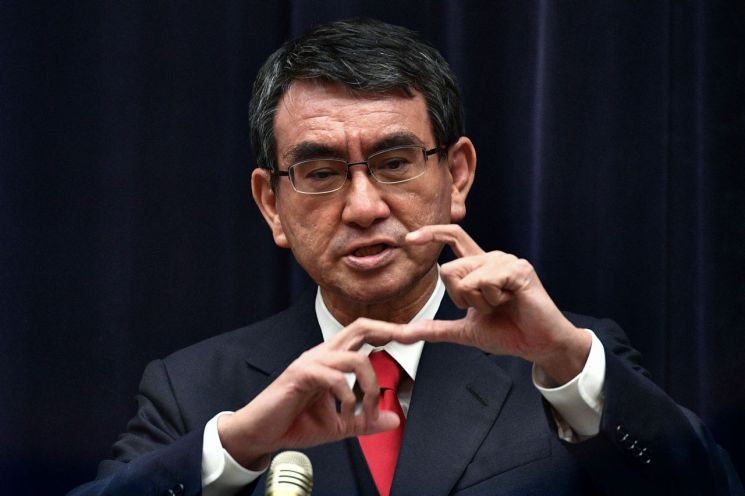
The Japanese government reportedly struggled significantly in securing vaccines. According to local media, when officials faced difficulties negotiating with Pfizer, Taro Kono (Kono Taro), the Minister in charge of administrative reform and vaccine procurement, stepped forward saying, "I will talk directly with Pfizer," but Pfizer strongly indicated they would not negotiate with a single minister, stating, "It would be better if the Prime Minister came to the negotiations." Meanwhile, Japan failed to secure syringes capable of extracting six doses per vial, potentially resulting in a loss equivalent to about 12 million doses, putting the government in a difficult position.
Prime Minister Yoshihide Suga (Suga Yoshihide) was in a very urgent situation to secure vaccines due to the Tokyo Olympics scheduled for July and the general election following the expiration of the House of Representatives term in October. The media diagnosed that Japan was effectively outmaneuvered during vaccine negotiations. After many twists and turns, Minister Kono declared at a press conference on February 26, "We will complete delivery of about 36 million doses for the elderly by the end of June." However, a ruling party official commented on securing the 36 million doses, saying, "We were cornered and had to buy at an expensive price." Pfizer did not disclose vaccine prices, citing contractual confidentiality.
According to local media, on the 6th, Japan identified 1,045 new COVID-19 cases. This brought the total confirmed cases in Japan to 439,628. Deaths increased by 40, reaching 8,251. Japan’s daily new cases have remained in the 1,000 range for four consecutive days.
© The Asia Business Daily(www.asiae.co.kr). All rights reserved.

















