Review of Recalls for Kona EV, Elec City, and Ioniq Electric Vehicle Batteries
Voluntary Recall Plan to Be Announced Soon
[Asia Economy Reporter Kim Hyewon] Hyundai Motor Company and the Ministry of Land, Infrastructure and Transport have decided to fully recall the battery systems of three electric vehicle (EV) models equipped with LG Energy Solution batteries. The targeted models include the Kona EV, which has frequent fire incidents, as well as the electric bus ElecCity and the Ioniq, which are used for public transportation.
According to industry sources on the 17th, Hyundai Motor and the Ministry of Land, Infrastructure and Transport are set to announce a voluntary recall plan soon, focusing on replacing battery cells in three EV models: Kona, Ioniq, and ElecCity. The strategy aims to boldly recover from the brand image damage caused by a series of EV fire incidents before the unveiling of the new Ioniq 5 on the 23rd. It is also reported that Hyundai is considering a Plan B to replace the batteries with those from SK Innovation instead of LG Energy Solution.
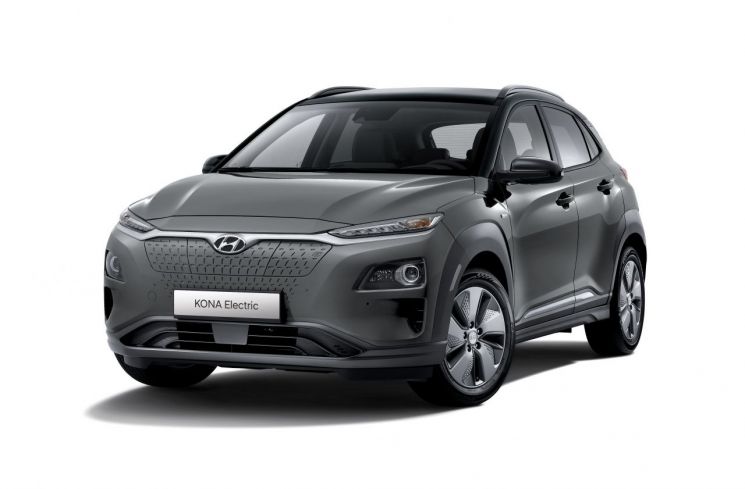
Initially, Hyundai and the Ministry planned to conduct a battery cell replacement recall only for the Kona EV. However, after fires occurred in other EVs equipped with batteries produced at a specific LG Energy Solution factory (Nanjing, China), they decided to expand the recall to additional models. In the case of the Ioniq, over 21,000 units have been sold domestically. ElecCity accounts for 263 units, and combined with the Kona EV, the total number of vehicles subject to recall rises to approximately 100,000.
On the 15th, a fire broke out in a Hyundai electric bus ElecCity equipped with an LG Energy Solution battery in Changwon, Gyeongnam, prompting a joint investigation by the National Forensic Service and Hyundai, worsening the situation. This model is also used by Seoul city for public transportation. Last month, a second fire occurred in a Kona EV that had already undergone a first recall involving a battery management system (BMS) update. In October last year, following a series of fires in the Kona EV, Hyundai recalled about 77,000 Kona EVs manufactured worldwide between September 2017 and March last year. Since its launch in 2018, the Kona EV has experienced a total of 15 known fires?11 domestic and 4 overseas.
If the number of models subject to the second recall increases, the recall cost is expected to exceed 2 trillion KRW based on a simple estimate. The battery price is known to be around 20 million KRW per unit, accounting for about one-third of the vehicle's total price. The key issue is how the battery cell replacement costs will be shared. Hyundai and LG Energy Solution are negotiating, but as the clear cause of the incidents is delayed, a tug-of-war over responsibility is unfolding. Hyundai insists that LG Energy Solution should bear most of the costs, while LG Energy Solution argues that Hyundai should also share the expenses.
An industry insider said, "Since Hyundai has a moral responsibility for purchasing and installing LG Energy Solution batteries, the industry opinion is that LG Energy Solution should cover about two-thirds of the recall costs." The industry expects that due to battery supply issues, this recall process will take one to two years. The Ministry of Land, Infrastructure and Transport, which had taken a passive recall approach after last year's fire cause investigation, is unlikely to avoid criticism as it now conducts a large-scale second recall within just a few months.
© The Asia Business Daily(www.asiae.co.kr). All rights reserved.
![Clutching a Stolen Dior Bag, Saying "I Hate Being Poor but Real"... The Grotesque Con of a "Human Knockoff" [Slate]](https://cwcontent.asiae.co.kr/asiaresize/183/2026021902243444107_1771435474.jpg)
















