Imported Beer Drops from 1st to 3rd Place... Domestic Beer Replaces Imported Beers Including Japanese Brands
[Asia Economy Reporter Seo So-jeong] The Ministry of Food and Drug Safety (Commissioner Kim Gang-rip) announced on the 14th that, based on an analysis of processed food imports into Korea last year, the most consumed imported foods by Koreans were processed fruit and vegetable products, kimchi, and beer, in that order.
Processed fruit and vegetable products rose from 275,424 tons in 2019 to 281,222 tons last year, an increase of 2.1%, moving from third to first place.
This is attributed to increased health awareness last year, which led to a rise in imports of fruit and vegetable concentrates made from ingredients such as tart cherries, pomegranates, and carrots.
Imported kimchi had steadily increased by an average of 5.5% annually over the past three years until 2019, but last year imports decreased by 8.3% to 281,021 tons, maintaining its position as second place.
Imported kimchi is 99.9% sourced from China and is mainly used in restaurants. The decrease in group meals and dining out due to COVID-19 is analyzed as the reason for the decline in kimchi imports.
Imported beer was the top import in 2019 with 362,027 tons but dropped to third place last year after a 22.8% decrease.
The Ministry explained that the decline was due to reduced sales of imported beers such as Japanese beer, with domestic beer replacing these imports.
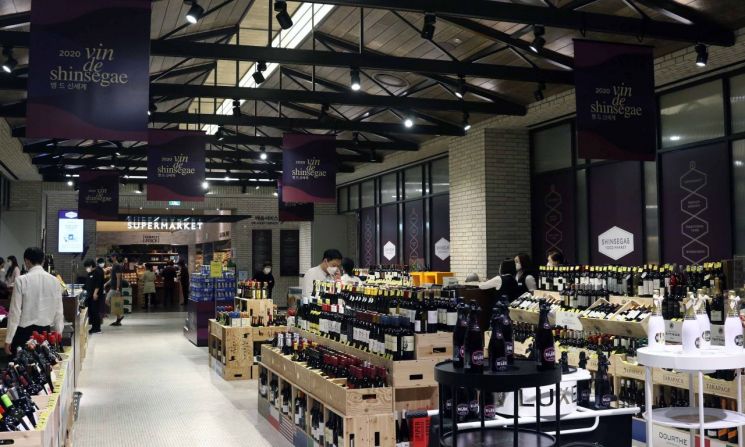
Additionally, diversification in consumers' choice of alcoholic beverages and the influence of 'home drinking' led to a 30.4% increase in imports of fruit wines such as wine, from 53,231 tons in 2019 to 69,413 tons last year.
Meanwhile, although coffee (beverages, prepared coffee, etc.) did not rank among the top items, its import volume was similar at 23,845 tons in 2019 and 24,265 tons last year, while domestic production was found to be 34 times greater than imports.
This is because as coffee consumption increased, imports of coffee beans used as raw materials for domestic production steadily rose. The main import countries were Brazil (21.3%), Vietnam (19.6%), Colombia (18.2%), Ethiopia (7.7%), and Peru (5.6%), in that order.
The Ministry of Food and Drug Safety stated, "Through diverse analyses of imported food trends, we will strengthen inspections on items with increasing imports, provide safety information, and respond promptly to domestic and international hazard information to ensure the highest level of safety management."
© The Asia Business Daily(www.asiae.co.kr). All rights reserved.
!["The Woman Who Threw Herself into the Water Clutching a Stolen Dior Bag"...A Grotesque Success Story That Shakes the Korean Psyche [Slate]](https://cwcontent.asiae.co.kr/asiaresize/183/2026021902243444107_1771435474.jpg)
















