Ministry of Health and Welfare Announces '5th National Health Promotion Comprehensive Plan'
Extending Healthy Life Expectancy to 73.3 Years... Reducing Income and Regional Disparities
Increase in Tobacco Health Promotion Levy, Ban on Alcohol Container Model Photo Attachment Proposed
Includes Identification and Management of High-Risk Groups for Suicide Prevention, Mobile Tuberculosis Screening, and More
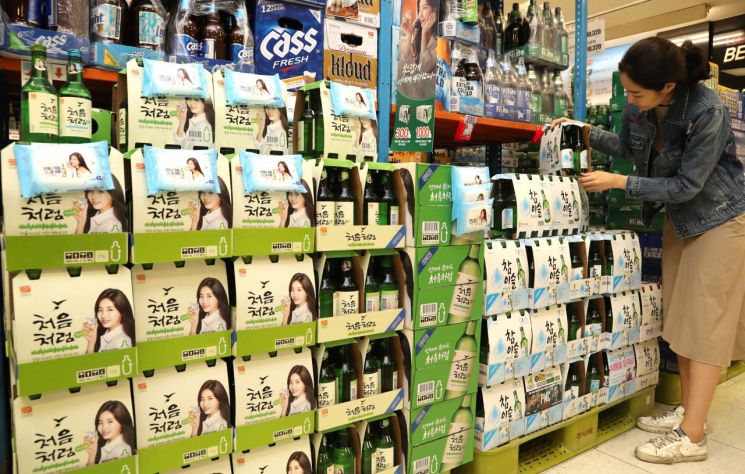
[Asia Economy Reporter Lee Chun-hee] A comprehensive plan has been prepared that includes suicide prevention measures such as practicing healthy lifestyles like smoking cessation and moderation in drinking, and identifying and managing high-risk groups for suicide to extend healthy life expectancy. Measures under consideration include raising the tobacco health promotion levy and banning the attachment of advertising model photos on alcoholic beverage containers. Through this, the government aims to increase the current healthy life expectancy of 70.4 years to 73.3 years.
The Ministry of Health and Welfare announced the '5th National Health Promotion Comprehensive Plan' containing these details on the 27th. The comprehensive plan is a government-wide plan that presents mid- to long-term policy directions for health promotion and disease prevention under the 'National Health Promotion Act,' established every 10 years and supplemented every 5 years. This plan has been prepared since 2017 and was reviewed by the Health Promotion Deliberation Committee last month.
Under the goal of creating a "society where everyone enjoys lifelong health," the Ministry of Health and Welfare set the overall goals of this comprehensive plan as extending healthy life expectancy and improving health equity by reducing health disparities by income and region.
The target for healthy life expectancy is set to extend from 70.4 years in 2018 to 73.3 years by 2030. This healthy life expectancy was set based on research on domestic healthy life expectancy by Korea University, addressing criticisms that the existing World Health Organization (WHO) healthy life expectancy had unclear calculation cycles and limitations in monitoring disparities by income and region.
Additionally, the health expectancy gap between the top 20% and bottom 20% income groups is targeted to decrease from 8.1 years in 2018 to 7.6 years by 2030, and the increasing regional disparity is aimed to be managed at around 2.9 years in 2030 from 2.7 years in 2018. In particular, the health expectancy gap by income will be addressed by raising the healthy life expectancy of the bottom 20%, pursuing simultaneous improvement of healthy life expectancy levels and reduction of disparities.
To achieve these goals, 28 key tasks across six divisions have been prepared. The six divisions are ▲ Healthy Lifestyle Practice ▲ Mental Health Promotion ▲ Prevention and Management of Non-Communicable Diseases ▲ Prevention and Management of Infectious and Climate Change-Related Diseases ▲ Health Management by Population Groups ▲ and Establishment of Health-Friendly Environments.
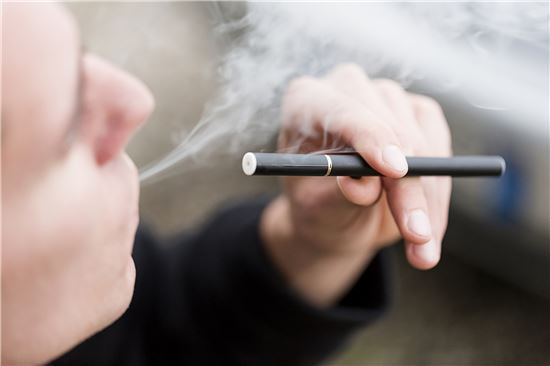 Electronic cigarette. Photo by Getty Images Bank
In the Healthy Lifestyle Practice division, smoking cessation and moderation in drinking are emphasized. Reflecting changes in the times, the definition of tobacco, which currently only refers to products made from tobacco leaves, will be expanded to include tobacco and synthetic nicotine-based products as well as electronic cigarette devices. Also, the health promotion levy will be raised to the WHO average level, and standardized cigarette packs without advertisements will be introduced.
Regarding alcohol consumption, measures to improve environments that encourage drinking will be introduced. Legislation to strengthen public drinking regulations will be enhanced, alcohol advertising bans will be expanded, and the attachment of advertising model photos on alcoholic beverage containers will be prohibited, improving alcohol advertising standards. Additionally, the introduction of the 'standard drink,' a unit measuring pure alcohol content per drink, will be promoted to establish moderation standards.
Alongside this, initiatives such as the introduction of a 'Health Incentive System' and 'Health-Friendly Company Certification System' to encourage physical activity will be pursued, and nutrition management measures such as mandatory nutrition labeling on convenience foods will be established. For oral health, a dental primary care project for children and persons with disabilities will be introduced, public oral health care capacity will be strengthened, and oral disease prevention education and promotion in schools and homes will be enhanced.
Through these efforts, the Ministry of Health and Welfare plans to reduce the adult male smoking rate from 36.7% in 2018 to 25.0% in 2030, and the female smoking rate from 7.5% to 4.0%. The high-risk drinking rate is targeted to decrease from 20.8% to 17.8% for men and from 8.4% to 7.3% for women.
The Mental Health Promotion division focuses on suicide prevention and improving awareness of mental health services. To prevent suicide, measures such as strengthening public-private cooperation for identifying and managing high-risk groups and promoting screening at primary medical institutions will be implemented. Dementia-friendly environments will be promoted through early diagnosis and management of dementia and strengthening the functions of dementia safety centers, and the utilization rate of mental health services for alcohol use disorders will be increased.
Through these measures, the suicide mortality rate, which was 26.6 per 100,000 in 2018, is planned to be reduced to 17.0 by 2030, and the mental health service utilization rate, which was 22.2% in 2016, is aimed to be raised to 35.0%.
Prevention and strengthening of projects for non-communicable diseases such as cancer, hypertension, and diabetes, as well as cooperation to improve obesity-inducing environments, will also be enhanced. A cooperative system linking cancer prevention with other chronic disease and health promotion projects will be established, and primary care chronic disease management centered on neighborhood clinics will be strengthened for the prevention and management of precursor diseases of cardiovascular and cerebrovascular diseases. Public awareness campaigns will be conducted to recognize severe obesity as a disease, and interdepartmental cooperative system-based measures to improve obesity-inducing environments will be established.
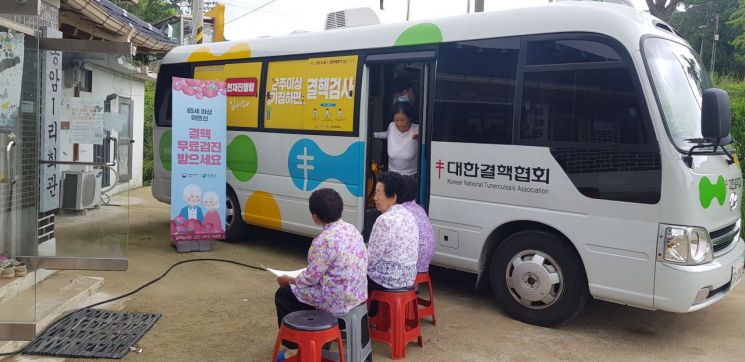
Regarding infectious and climate change-related diseases, the plan aims to reduce the reported new tuberculosis patient rate per 100,000 population from 51.5 in 2018 to 10.0 by 2030 by innovating response technologies and especially strengthening protection for vulnerable groups. Mobile tuberculosis screening for vulnerable groups will be conducted, and support for AIDS will be strengthened through operating prevention centers.
Additionally, support for healthy growth of infants and adolescents, strengthening health management by population groups such as women, the elderly, persons with disabilities, workers, and soldiers, and efforts to establish health-friendly environments including the introduction of health impact assessments will be pursued concurrently.
Minister of Health and Welfare Kwon Deok-cheol said, "With the announcement of this comprehensive plan, we will further specify the prevention-centered health management support, a national agenda, and strengthen cooperation with various sector stakeholders to build a health-friendly environment that considers health in all policy areas." Professor Choi Bo-yul of Hanyang University, who serves as the private sector chairperson of the comprehensive plan establishment committee, said, "This comprehensive plan reflects international trends such as the UN Sustainable Development Goals (SDGs) and WHO perspectives on health promotion and health equity, fitting Korea's international status. It is meaningful that through the development of our own healthy life expectancy indicators, we can now consider health equity aspects that have received less attention so far."
© The Asia Business Daily(www.asiae.co.kr). All rights reserved.


















