A City with a Healthy Population Structure
Attracting High Value-Added Companies, Strategic Industrialization, and Promoting the Establishment of Yangsan Meister High School for the Future
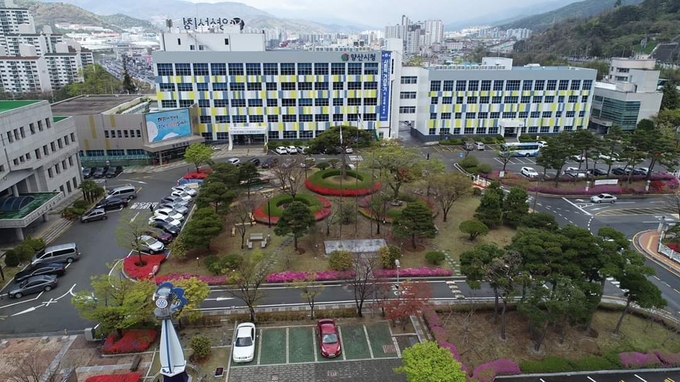
[Asia Economy Yeongnam Reporting Headquarters Reporter Lee Sang-hyun] Yangsan City in Gyeongnam presented future population policy directions through population attraction analysis using big data.
The city compared the current situation with 18 cities and counties in Gyeongnam and cities with similar population and industrial structures to Yangsan, and established future plans.
Yangsan is a city with a sound population structure in the province, along with Changwon, Geoje, and Gimhae.
However, compared to 13 regions with similar structures, it was confirmed that its population competitiveness is relatively weak.
The population growth rate recorded 3.2% from 2001 to 2019, which was overwhelmingly higher compared to the nationwide and Gyeongnam average of only 0.4%, ranking first among regions outside the metropolitan area.
Examining the increased population structure, the proportions of youth and working-age population are higher than average, and the elderly population is lower, confirming a sound population structure.
The birth rate is also higher than average, indicating great potential for productivity improvement and growth, and relatively less financial burden in terms of elderly welfare.
Employment of the core productive population is also higher than the Gyeongnam average, but the trend shows a significant decrease in employment in this group, with an expected increase in employment among middle-aged and elderly groups.
Currently, the proportion of the aging population is small, but it rose at a pace similar to the average until 2010, and since 2010, it has been increasing rapidly at 2.4 times the average rate.
Social population inflow has occurred across all age groups, and notably, the inflow of youth population is unique within Gyeongnam.
The significance of youth inflow indicates the presence of quality jobs, while the inflow of middle-aged and elderly groups appears to be due to low value-added jobs or return-to-farming and return-to-village migration.
Based on the analyzed big data, the city plans to attract technology commercialization and high value-added companies, strategically industrialize high value-added sectors, and establish Yangsan Meister High School to strive for a sustainably growing city.
© The Asia Business Daily(www.asiae.co.kr). All rights reserved.

















