Cooperation in Research and Development of Small and Microsatellite Systems
[Asia Economy Reporter Yoo Je-hoon] Korea Aerospace Industries (KAI) is joining hands with the Korea Advanced Institute of Science and Technology (KAIST) to develop and commercialize small and microsatellite technologies. On the 18th, KAI announced that it had signed a "Memorandum of Understanding for Small Satellite Research, Development, and Commercialization" with KAIST.
Under this agreement, both organizations will jointly promote the development of small and microsatellite systems and ground stations, development of components for small and microsatellites, technology transfer including technology commercialization, and mutual use of joint equipment in their respective fields.
KAI has participated in various medium and large satellite projects, including the multipurpose practical satellites (Arirang) 1 through 7, geostationary orbit complex satellites, the first private-led next-generation medium satellite development project, and defense satellites. Through this agreement, KAI plans to combine its medium and large satellite development capabilities with small and microsatellite technologies to develop integrated satellite solutions and actively pioneer the space market.
Generally, small satellites refer to satellites weighing less than 500 kg, and microsatellites refer to those under 100 kg. Compared to medium and large satellites, small satellites have shorter research, development, and production periods and are less expensive, allowing multiple satellites to be launched within the same budget, according to KAI. In particular, launching multiple small satellites into low Earth orbit and linking them with existing medium and large satellites can dramatically improve communication speeds, enabling various activities such as next-generation mobile network construction, weather forecasting, disaster prevention, and surveillance reconnaissance.
An Hyun-ho, President of KAI, stated, "The satellite sector is a core business in the advanced convergence market with promising growth prospects. KAI will expand its private space business sector by preparing for future ultra-high-speed network demands using satellites through close industry-academia cooperation."
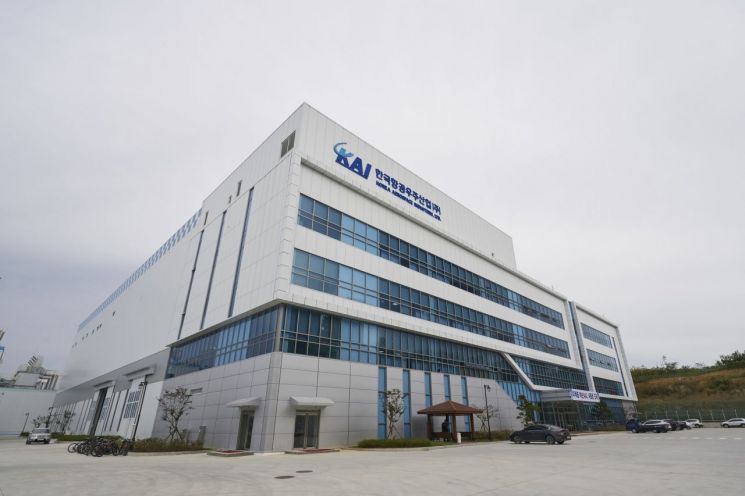
Meanwhile, in August last year, KAI established the largest private space center in Korea, the "KAI Space Center," in Sacheon, Gyeongnam Province, where satellite development, production, assembly, and testing are all conducted in one location.
© The Asia Business Daily(www.asiae.co.kr). All rights reserved.

















