Frequent Disputes Over Eligibility for Nursing Hospital Admission Fees
Insurance Research Institute: "Medically and Objectively Assess Patient Condition and Treatment Details"
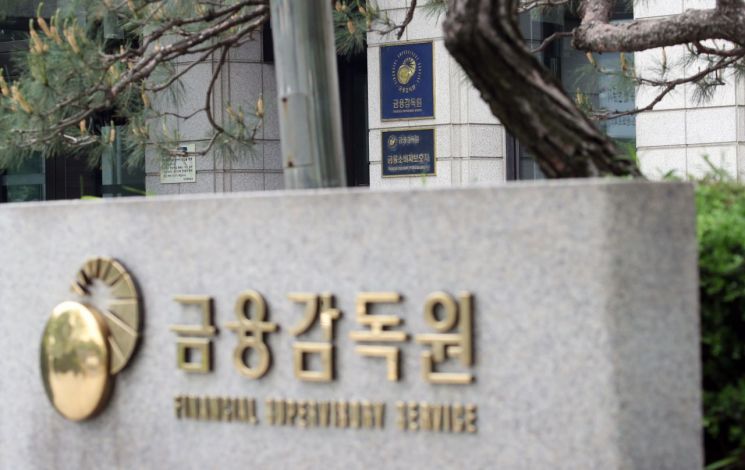
[Asia Economy Reporter Oh Hyung-gil] The Financial Supervisory Service (FSS) has decided to impose a severe disciplinary action on Samsung Life Insurance for refusing to pay hospitalization fees for long-term care hospitals claimed by cancer patients, arguing that these were not for the purpose of 'direct treatment.' This news raises expectations that those who have not received such hospitalization fees might be able to reclaim them. However, to put it simply, the insurance industry explains that it is 'almost impossible.'
According to the insurance industry on the 5th, the FSS held a disciplinary review committee on the 3rd to review the comprehensive inspection results and decided to issue a warning to Samsung Life Insurance. The FSS had uncovered last year during a comprehensive inspection that Samsung Life had unjustly refused to pay cancer insurance claims.
Previously, the FSS Dispute Mediation Committee recommended that insurers should pay long-term care hospital fees for terminal cancer patients' hospitalization, hospitalization during intensive chemotherapy, and hospitalization immediately after cancer surgery.
However, it was considered difficult to recognize hospitalization for long-term care treatment aimed at treating sequelae or complications arising after cancer treatment or for health recovery as being for the purpose of cancer treatment.
On the other hand, if hospitalization is for treating sequelae caused by previous chemotherapy and recovering physical functions during a period when the same chemotherapy continues, and if such hospitalization is indispensable for receiving scheduled future chemotherapy, it is interpreted as hospitalization for the purpose of cancer treatment.
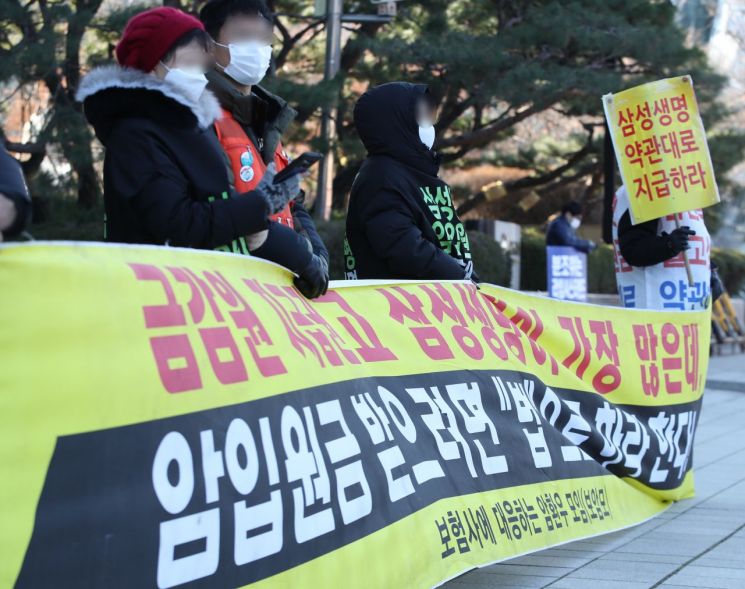
Accordingly, the acceptance rate of the FSS's recommendation for cancer insurance payments reached 87.6% as of the end of last year. However, the insurance industry explains that cases where hospitalization fees have not yet been paid should be considered separately, regardless of the Dispute Mediation Committee's recommendations.
Court rulings are also divided. In September, the Supreme Court ruled in favor of Samsung Life Insurance in a lawsuit filed by Mr. Lee, co-representative of the Cancer Patients' Association (Boammo), against the insurer. The court's position is that it is difficult to consider cases aimed at alleviating sequelae or treating complications arising after cancer or cancer treatment as being included in the direct purpose of cancer treatment.
The FSS also explained, "This case was reviewed based on whether obligations were fulfilled according to the terms and conditions, and should be distinguished from dispute mediation work, which deals with individual cases between parties."
Of course, there are precedents where hospitalization fees for long-term care hospitals were paid. If a patient whose chemotherapy has not ended and is expected to continue for a certain period receives treatment to recover physical functions such as immunity and to treat sequelae caused by previous chemotherapy, and if this is indispensable for future chemotherapy, it was concluded that this falls under the direct purpose of cancer treatment.
As such, since opposite results can come out depending on precedents, whether hospitalization fees are paid can vary depending on the insurance policy terms and the purpose of treatment of the insurance one has subscribed to.
Baek Young-hwa, a research fellow at the Korea Insurance Research Institute, explained, "While it may be relatively clear to judge the meaning and scope when it is to remove cancer or suppress its proliferation, in cases other than that?such as improving symptoms caused by cancer, extending life, or whether it falls under indispensable treatment for sequelae and immune enhancement necessary for future chemotherapy?these issues must ultimately be judged medically and objectively based on specific facts such as the patient's condition, treatment content, and methods in individual cases."
© The Asia Business Daily(www.asiae.co.kr). All rights reserved.


















