Production and Distribution Artifacts of Hunmaejeongeum Korean Braille, Braille Charts, and Commentary Manuscripts
"Valuable Materials for Understanding the History of Modern Visually Impaired People"
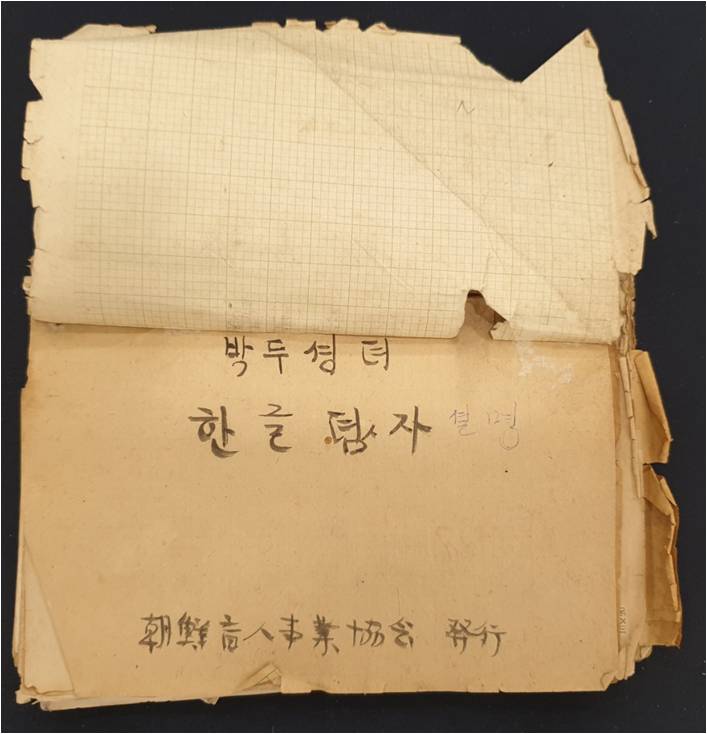
The country's first Korean Braille system, 'Hunmaejeongeum,' has been registered as a cultural heritage.
On the 4th, the Cultural Heritage Administration announced that the 'Artifacts related to the production and distribution of Korean Braille Hunmaejeongeum' and the 'Korean Braille Hunmaejeongeum Braille Chart and explanatory manuscript' were designated as National Registered Cultural Heritage No. 800-1 and No. 800-2, respectively. Hunmaejeongeum is a Braille system promulgated on November 4, 1926, by Park Du-seong (1888?1963), who taught visually impaired people during the Japanese colonial period. It was devised with a six-dot system, allowing users to learn characters based on the same principles as Hangul. It can be considered the fundamental framework of the Korean Braille currently in use.
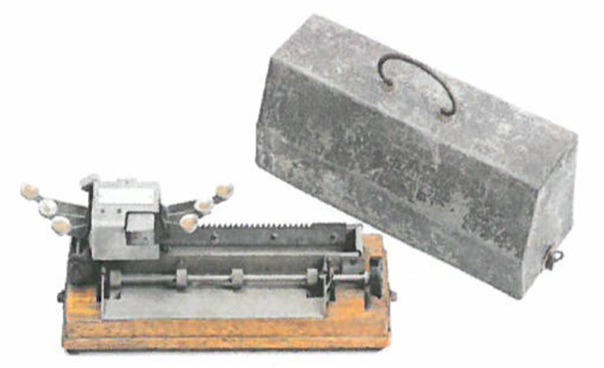
The 'Artifacts related to the production and distribution of Korean Braille Hunmaejeongeum' housed at the Songam Park Du-seong Memorial Hall consist of eight items totaling forty-eight pieces, including manuscripts on how to use Hunmaejeongeum, production process logs, a typesetting machine, a Braille printing machine (roller), and a Braille typewriter. The Cultural Heritage Administration explained, "These are valuable materials that not only reflect the social and cultural circumstances of the time but also help understand the history of modern visually impaired people."
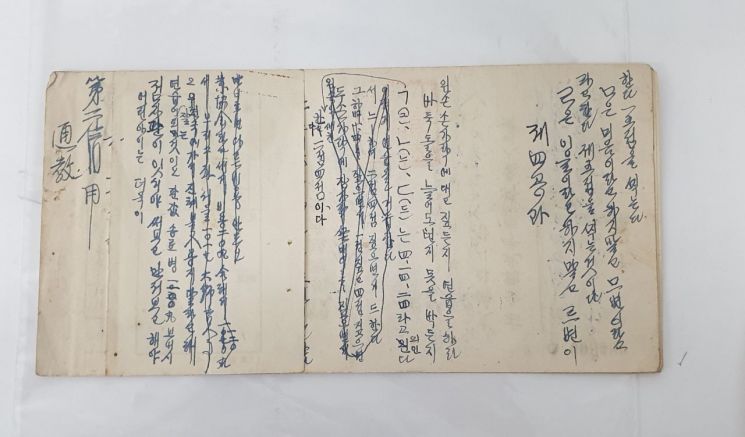
The 'Korean Braille Hunmaejeongeum Braille Chart and explanatory manuscript' held by the National Hangeul Museum includes seven items totaling fourteen pieces, such as the handwritten original manuscript of 'Korean Braille' and the draft of 'The Origin of Korean Braille.' These materials provide insight into the origin, principles of creation, structure, and system of Korean Braille. The Cultural Heritage Administration stated, "'Hunmaejeongeum' shows the process from its invention to actual use," adding, "It reveals the history of visually impaired people learning Hangul at that time."
© The Asia Business Daily(www.asiae.co.kr). All rights reserved.



















