Summary of Latest Research Trends at a Glance
Applications Expected in Bio Medical Field and Electronic Devices
 Map Showing Types of Inorganic Nanomaterials Based on Single and Binary Combinations of 51 Periodic Table Elements
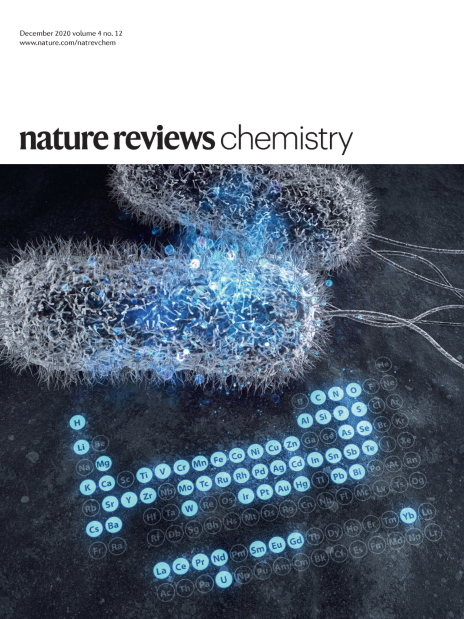
[Asia Economy Reporter Junho Hwang] Domestic researchers have organized 146 types of inorganic nanomaterials synthesized through bacteriophages, viruses that infect microbes or bacteria, into an easily understandable format and published their research results in the December issue of the international academic journal Nature Reviews Chemistry. These environmentally friendly synthesized inorganic nanomaterials are expected to contribute to wide applications in biosensors, medical, and chemical fields.
The research team led by Professor Sangyeop Lee of the Department of Chemical Engineering at the Korea Advanced Institute of Science and Technology (KAIST) announced on the 4th that they published a paper titled "Synthesis and Application of Biologically Inorganic Nanomaterials Using Microbes and Bacteriophages," which comprehensively covers the types and applications of biologically synthesized inorganic nanomaterials, allowing a clear understanding of the latest research content and trends.
Inorganic nanomaterials are substances used in various fields such as physics, chemistry, materials science, and electronics. To obtain these materials, toxic organic solvents or catalysts must be used under high temperature and high pressure conditions, which can adversely affect the environment. In this context, the scientific community is researching synthesis methods of inorganic nanomaterials using microbes or bacteriophages.
The research team compiled these studies into a map to allow easy access to research results at a glance. They demonstrated that 146 inorganic nanomaterials based on 55 periodic table elements, either as single elements or combinations of two elements, can be biologically synthesized using microbes and bacteriophages. They also summarized that bacteria, fungi, algae, and bacteriophages are primarily used in the biological synthesis of inorganic nanomaterials.
In particular, the research team stated that using genetically engineered microbes and bacteriophages can increase the yield of biologically synthesized inorganic nanomaterials. The research results also include strategies for controlling the production feasibility, size, shape, and crystallinity of inorganic nanomaterials synthesized using microbes and bacteriophages.
The team proposed a strategy utilizing Pourbaix diagram analysis, which indicates the thermodynamic stability of materials, to biologically synthesize crystalline inorganic nanomaterials.
Additionally, the research team presented a 10-step flowchart outlining considerations for the synthesis of biological nanomaterials. Currently, biologically synthesized inorganic nanomaterials have been applied in catalysis, energy harvesting and storage, electronic devices, antimicrobial materials, and biomedical fields.
Professor Sangyeop Lee expressed hope that "biological nanomaterials will be newly applied in the future as materials for bio-medical fields, bio-electronic devices, and environmentally friendly chemical production."
© The Asia Business Daily(www.asiae.co.kr). All rights reserved.


















