Local Autonomy Act Passed... Special City Status Granted to Cities with Over 1 Million Population
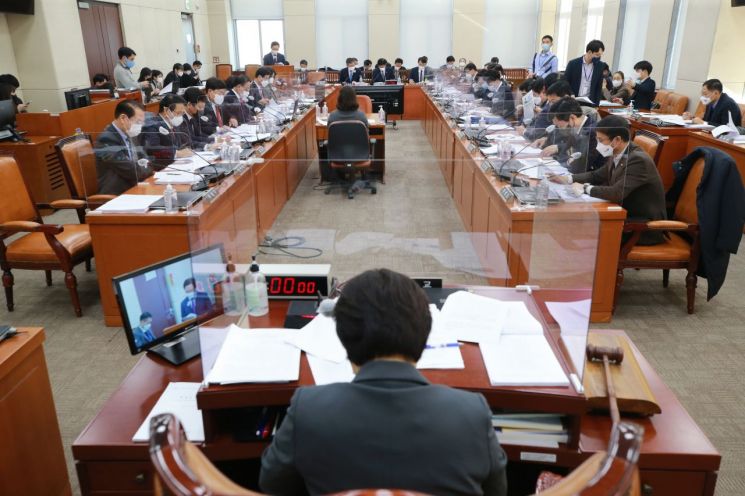
[Asia Economy Reporter Lim Chun-han] The National Assembly's Public Administration and Security Committee held a plenary session on the 3rd and approved the revision of the Police Act, known as the 'Autonomous Police Act,' through bipartisan agreement. As part of police reform measures to improve the over-centralization of police power following the adjustment of investigative authority between the prosecution and the police, the existing 'Police Act' will be renamed the 'Act on the Organization and Operation of the National Police and Autonomous Police.' If passed by the plenary session, it will take effect on January 1 of next year.
According to the revision, the autonomous police will be under the command and supervision of the Si/Do Autonomous Police Committee, an independent administrative agency under the mayor or governor of the city/province, while the national police will be under the Police Commissioner, and the investigative police under the head of the National Investigation Headquarters. The autonomous police will be responsible for tasks closely related to residents' daily lives within their jurisdiction, such as community safety, traffic, safety management of mass gatherings, and school violence. The national police will handle duties such as security, foreign affairs, and guarding, excluding autonomous police affairs.
The National Investigation Headquarters will be established within the Police Agency. A Police Superintendent General will serve as the head of the headquarters. The Police Commissioner cannot specifically command or supervise police investigations but may intervene in 'urgent and important investigations that pose significant risks.'
The revision of the Local Autonomy Act, which stipulates conditions for Special Cities, also passed the Public Administration and Security Committee. Special Cities are a new type of local government that maintains the status of basic local governments while having broader administrative and financial authority than before. The revision allows cities with a population of 1 million or more to be granted Special City status. However, considering practical administrative demands and balanced national development, Special City status may be applied to cities, counties, or districts designated by the Minister of the Interior and Safety according to a presidential decree.
© The Asia Business Daily(www.asiae.co.kr). All rights reserved.

















