OPEC+ Meeting Scheduled for the 1st Postponed to the 3rd
Disagreement on OPEC Production Cut Extension Unresolved
Market Watches for Possible Renewed Tensions Among Oil-Producing Countries
[Asia Economy Reporter Naju-seok] The scheduled OPEC+ (Organization of the Petroleum Exporting Countries (OPEC) member countries and non-OPEC coalition) meeting was abruptly postponed. Attention is focused on whether conflicts over production cuts will arise again among oil-producing countries.
On the 1st (local time), foreign media reported that the OPEC+ meeting originally scheduled for that day was postponed by two days and will be held on the 3rd. Initially, OPEC planned to hold a meeting the day before to discuss, and then hold a video conference with non-OPEC members such as Russia to discuss the scale and schedule of production cuts.
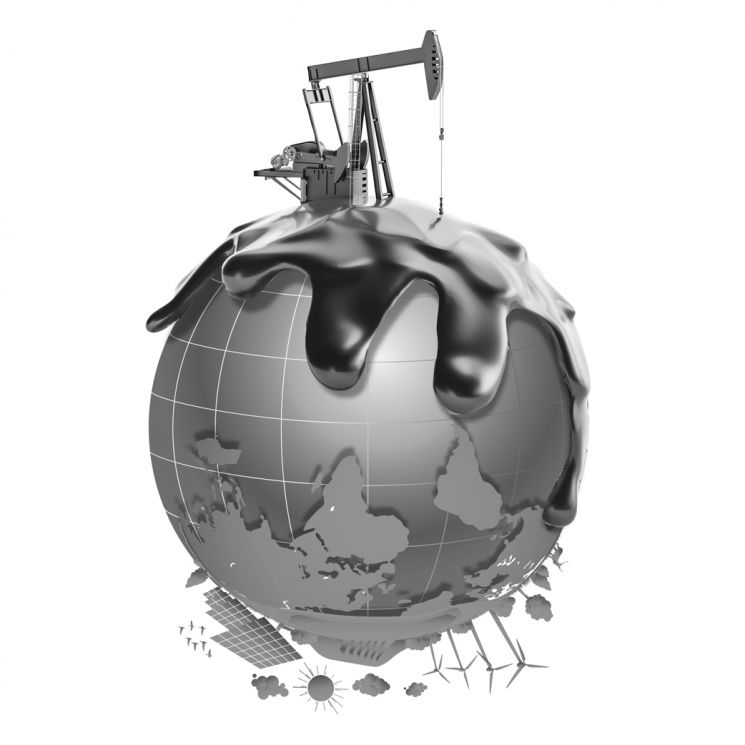
OPEC+ decided to reduce daily oil production by 9.7 million barrels in April this year due to the impact of the novel coronavirus disease (COVID-19), which caused a decrease in oil demand and an oversupply problem. Subsequently, according to a phased reduction plan, the production cut was reduced to 7.7 million barrels in August. If the plan proceeds as scheduled, the production cut will decrease to 5.8 million barrels in January next year. In effect, the amount of oil supplied to the market is gradually increasing.
Coordination on the production cut schedule was not achieved even within OPEC. An OPEC official mentioned to the media during the meeting period that the plan was to extend the current level of production cuts for three months. However, no consensus was reached. Saudi Arabia pointed out concerns such as the resurgence of COVID-19 and insisted that the current production cut level should be maintained next year. On the other hand, the United Arab Emirates (UAE) and others are reportedly not in favor of extending the cuts.
The UAE produced more oil than originally allocated during the production cuts and was asked to cut production equivalent to the additional output. Regarding this, the UAE is reportedly demanding that countries such as Nigeria, Iraq, Russia, and Kazakhstan also take the same measures before extending the production cut scale.
Additionally, negotiators are said to have several issues to resolve regarding the extension of the current level of production cuts into early next year.
Earlier in March this year, Saudi Arabia and Russia engaged in an oil war, causing the worst crisis. At that time, oil prices plunged into negative territory for the first time in history, creating extreme turmoil. Tensions have also increased due to disagreements within OPEC+ over the extension of production cuts. However, Russia explained that the current disagreements among oil-producing countries are not at the same level as earlier this year.
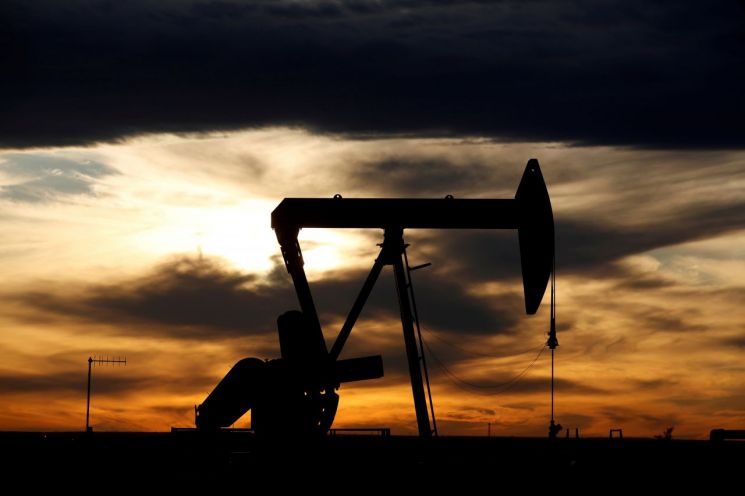
Oil-producing countries are receiving conflicting news regarding future oil production. First, COVID-19 is rapidly resurging in the United States and Europe. The spread of COVID-19 leads to lockdowns or strengthened social distancing measures, reducing oil consumption. For this reason, reducing the scale of production cuts from next year is considered premature. On the other hand, with the development of COVID-19 vaccines, there is a possibility of returning to normal life in 2021. The rapid resumption of economic activities must also be taken into account.
Abdelmadjid Attar, Algeria's Minister of Energy, said, "The market situation in the first quarter of next year will continue as it is now, so caution is required," adding, "The road to recovery is long and arduous."
© The Asia Business Daily(www.asiae.co.kr). All rights reserved.
![User Who Sold Erroneously Deposited Bitcoins to Repay Debt and Fund Entertainment... What Did the Supreme Court Decide in 2021? [Legal Issue Check]](https://cwcontent.asiae.co.kr/asiaresize/183/2026020910431234020_1770601391.png)

















