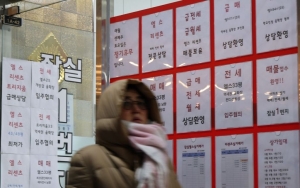
End of This Year's Guidance Period... Law Enforcement from January Next Year
Up to 2 Years Imprisonment or 20 Million Won Fine for Violations
Ministry of Employment: "Further Extension of Guidance Period Is a Burden"
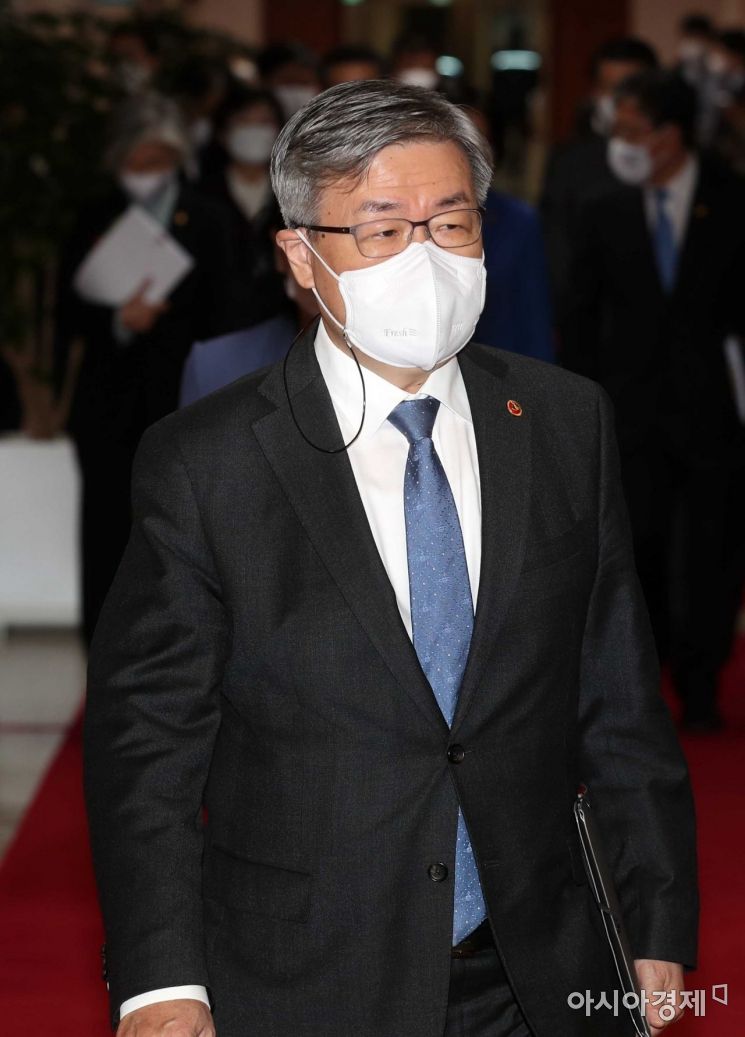
[Asia Economy Reporters Kim Bo-kyung, Kim Hee-yoon] The government will enforce the 52-hour workweek system starting January next year for small and medium-sized enterprises (SMEs) with 50 or more employees. From next year, SME business owners who violate the 52-hour workweek will be considered lawbreakers. This has raised an alarm for SMEs already struggling due to the impact of the novel coronavirus disease (COVID-19).
On the morning of the 30th, Lee Jae-gap, Minister of Employment and Labor, held a briefing at the Government Seoul Office and stated, "The grace period for companies with 50 to 299 employees will end by the end of this year." He added, "As a result of various government policy supports and active cooperation between labor and management on the ground over the past year, the preparation for the 52-hour workweek system appears to have significantly improved compared to before." He continued, "I hope the 52-hour workweek system will be quickly established in our society, fulfilling the original purpose of the system's introduction and serving as an opportunity to improve the quality of life for the people."
This means that the one-year grace period granted to workplaces with 50 to 299 employees starting January this year will end, and the law will be fully enforced from next year.
During the grace period, workplaces were exempt from Employment Ministry's long working hours inspections and crackdowns, allowing work beyond 52 hours per week. Even if workers filed complaints about exceeding 52 hours per week, the Ministry of Employment and Labor granted a correction period of up to six months for voluntary improvement. This leniency was given considering SMEs' requests for more time to prepare for the 52-hour workweek implementation.
However, with the government deciding to end the grace period at the end of this year, business owners who violate the 52-hour workweek from next year will face imprisonment of up to two years or fines up to 20 million won. A Ministry of Employment and Labor official said, "The grace period was a temporary and exceptional measure," adding, "Since the amended Labor Standards Act is clearly in effect, continuously extending the grace period poses a significant burden for the government." To support the establishment of the 52-hour workweek system on the ground, the government plans to extend the flexible working hours unit period from three months to six months within this year and expand autonomous improvement programs.
The government's stance of "no further extension of the grace period" has been criticized by the SME sector as "policy enforcement that does not properly understand the realities on the ground."
Lee Tae-hee, Head of the Smart Jobs Division at the Korea Federation of SMEs, said, "Although a one-year grace period was given this year, realistically, due to COVID-19, SMEs had very little time to prepare for the introduction of the 52-hour workweek. Despite sufficiently conveying the voices from the field regarding the need to extend the grace period to the government, it was not accepted, which is very regrettable."
He emphasized, "To minimize the shock, systems that can complement blind spots in working hour reductions, such as flexible working hours according to the characteristics of each industry and additional extended working hours by labor-management agreement, should be introduced together."
© The Asia Business Daily(www.asiae.co.kr). All rights reserved.
![User Who Sold Erroneously Deposited Bitcoins to Repay Debt and Fund Entertainment... What Did the Supreme Court Decide in 2021? [Legal Issue Check]](https://cwcontent.asiae.co.kr/asiaresize/183/2026020910431234020_1770601391.png)