Inclusion of 'Sexual Orientation' in Anti-Discrimination Clause
Subdivision of Reasons for Non-Prosecution
Dismissal Possible to Prevent Reckless Accusations
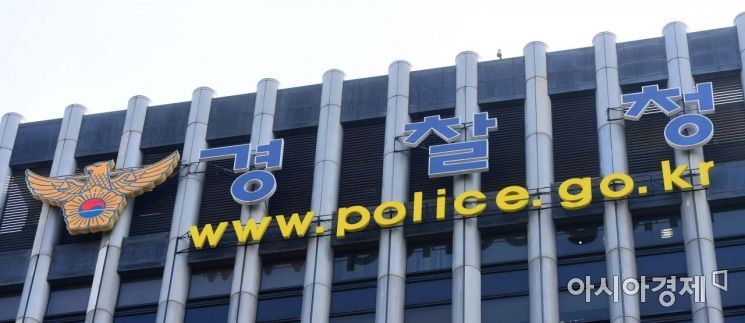
[Asia Economy Reporter Lee Gwan-ju] The Ministry of the Interior and Safety has announced a draft of the "Police Investigation Rules" to institutionally complete the adjustment of investigative authority between the police and prosecution. The draft specifies how to concretely implement key aspects of the investigative authority adjustment in police practice, such as mutual cooperation between the police and prosecution after the abolition of the prosecution's investigative command authority and the police's primary authority to conclude investigations.
According to the National Police Agency on the 27th, the draft Police Investigation Rules will be open for public comment until the 28th of next month, followed by regulatory review and legal inspection before being promulgated. The draft first declaratively states that human rights must be respected and due process must be observed during police investigations. In particular, it includes broad provisions prohibiting hate and discrimination, forbidding discrimination based on "the gender, religion, age, disability, social status, region of origin, race, nationality, physical appearance, medical history, marital status, political opinions, and sexual orientation" of suspects and persons related to cases.
Following the abolition of the prosecutor's investigative command authority, the draft also regulates how the police and prosecution will cooperate. When the police request cooperation from prosecutors, they are to use the Criminal Justice Information System or written documents in principle. Exchanges of opinions on important cases will also be conducted in writing. This is interpreted as an effort to prevent unnecessary misunderstandings during cooperation and to keep transparent records.
Regarding the police being granted primary authority to conclude investigations, the draft specifies the reasons that must be stated when deciding not to prosecute. First, "no suspicion" is divided into two categories: insufficient evidence and no recognition of a crime (the alleged facts do not constitute a crime). It also specifies ▲ no crime (justification for illegality), ▲ lack of prosecution rights, and ▲ dismissal. Particularly, dismissal reasons include reports in the media or internet posts with unclear truthfulness, anonymous tips, and accusations made without concrete reasons or circumstances to initiate an investigation, such as hearsay or statements from third parties unrelated to the case. This is expected to prevent indiscriminate accusations and waste of investigative resources.
Additionally, the draft includes provisions on specific investigation initiation and voluntary investigation methods, as well as guarantees for legal counsel assistance for persons related to cases. A National Police Agency official explained, "The purpose is to elevate the investigation-related rules, which were previously police agency directives, to ministerial ordinances in line with the adjustment of investigative authority, and to concretize the contents specified in higher laws."
© The Asia Business Daily(www.asiae.co.kr). All rights reserved.
![From Hostess to Organ Seller to High Society... The Grotesque Scam of a "Human Counterfeit" Shaking the Korean Psyche [Slate]](https://cwcontent.asiae.co.kr/asiaresize/183/2026021902243444107_1771435474.jpg)
















