Announcement of Sustainable Care Improvement Measures
Extension of Period from Existing Annual 10 Days
Expansion of Parental Leave Split to 2 Times
Emergency Care Even at Social Distancing Level 3
[Asia Economy Reporter Seo So-jeong] In the future, if family care is needed due to the novel coronavirus infection (COVID-19), up to 90 days of family care leave per year can be used. The government has also created a comprehensive manual by facility and region according to the revamped social distancing levels to minimize care gaps for vulnerable groups.
On the 27th, the Ministry of Health and Welfare announced the "Sustainable Care System Improvement Plan in the COVID-19 Era" at the Social Relations Ministers' Meeting, together with related ministries such as the Ministry of Education and the Ministry of Gender Equality and Family. The government added "disaster occurrence" as a reason for family care leave and changed the system so that workers can use up to 90 days of family care leave annually in disaster situations such as COVID-19.
Previously, only 10 days of family care "leave" per year could be used when family care was needed due to COVID-19. In case of a national disaster, the period could be extended up to 20 days, but starting next year, a legal amendment will be pursued to allow up to 90 days per year.
The current limit of one time for splitting parental leave usage will be expanded to two times and is planned to be implemented within this year. It is also being promoted to allow the use of parental leave during pregnancy to strengthen protection for pregnant workers and fetuses during emergencies such as COVID-19.
With the prolonged COVID-19 situation, the care system will also be reorganized. Until before social distancing level 3, facilities will operate as much as possible, and even at level 3, emergency care will be provided to minimize care gaps. Additionally, a response system will be established to handle various situations such as infection of care service workers, family members testing positive, and self-quarantine. If care service workers become infected, substitute personnel will be prioritized for social welfare facilities, and if a family member tests positive, care personnel will be supported at home.
An emergency care support team will be established centered on the Social Service Agency to provide emergency care services to vulnerable groups, and substitute care personnel will be supported for social welfare facilities or medical institutions where care gaps are a concern.
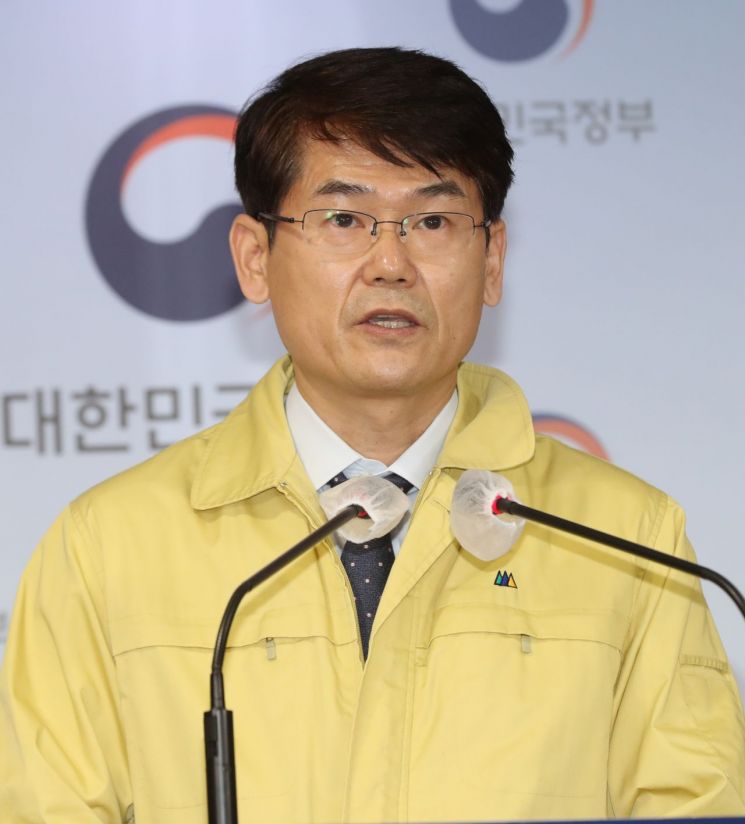
Bang Young-sik, team leader of the Population Policy Division at the Ministry of Health and Welfare, said, "The existing system had parts that could not systematically respond to various emergency care demands," adding, "This improvement is aimed at establishing home-based and non-face-to-face services that can replace face-to-face services and proactively respond to problems arising from the prolonged COVID-19 situation."
© The Asia Business Daily(www.asiae.co.kr). All rights reserved.

















