International Conference on UNESCO World Heritage Interpretation Held... Germany's 'Rammelsberg Mine Museum' Presents Model Case
Vice Minister Lee Emphasizes "Comprehensive and Inclusive Interpretation Reflecting Stories of All Groups"
[Asia Economy Reporter Lim Cheol-young] "Comprehensive and inclusive heritage interpretation is important so that future generations can understand the entire history and diverse stories surrounding World Heritage."
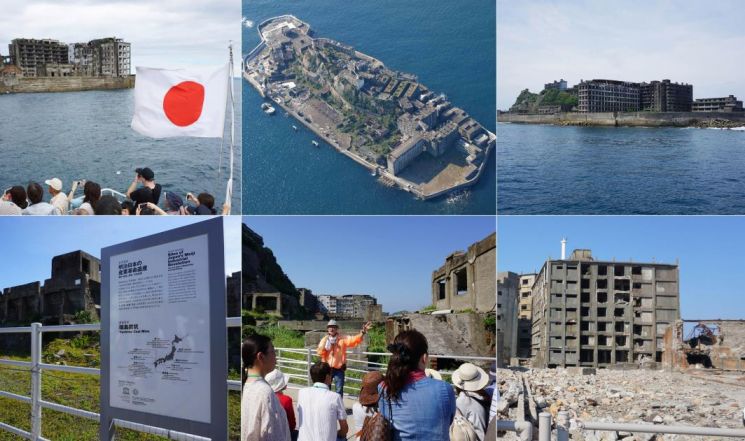
Lee Tae-ho, Vice Minister of Foreign Affairs, made this remark on the 24th during the online "2020 UNESCO World Heritage Interpretation International Conference" held at the Plaza Hotel in Seoul, co-hosted with the UNESCO Korea Committee. He referred to Germany’s ‘Rammelsberg Mine Museum,’ which was inscribed as a World Heritage site in 1992. His statement is interpreted as an indirect criticism of Japan’s historical distortion regarding Meiji-era industrial heritage such as the Hashima (Gunkanjima) coal mine.
Vice Minister Lee said, "Germany’s ‘Rammelsberg Mine Museum’ honors the victims of forced labor by exhibiting extensive materials related to the pain of forced labor, presenting a balanced view of the entire history of the heritage," and emphasized, "We must accept not only positive history but also ‘negative history.’"
Japan decided to establish an information center containing the history of forced labor victims during the process of inscribing Meiji industrial heritage as World Heritage in 2015, but it has caused controversy by displaying testimonies and materials that contradict this history. The Korean government planned to address this issue at this year’s World Heritage Committee meeting, but due to the impact of COVID-19, it has been postponed until next year.
At this conference, under the theme of ‘A Human Rights Approach to Heritage Interpretation,’ discussions were held on cultural relativity and inclusive heritage interpretation, heritage of memory, balanced interpretation, and heritage interpretation and human rights. Domestic and international World Heritage experts, UNESCO diplomatic corps, foreign diplomatic corps in Korea, international organizations and NGO officials, students, and general citizens participated online.
Participants emphasized the voices and values of diverse people that can be reflected in a single heritage and agreed on the need for efforts to inclusively embrace the stories of groups sharing memories of the heritage. They further evaluated that such efforts can be seen as an important attempt to protect and promote human rights through World Heritage.
Since hosting the first World Heritage Interpretation International Conference in 2016, the Korean government has led discussions on World Heritage interpretation, one of the key elements of World Heritage preservation, by holding this conference annually, and plans to continue strengthening its contributions related to World Heritage interpretation in the future.
© The Asia Business Daily(www.asiae.co.kr). All rights reserved.


















